
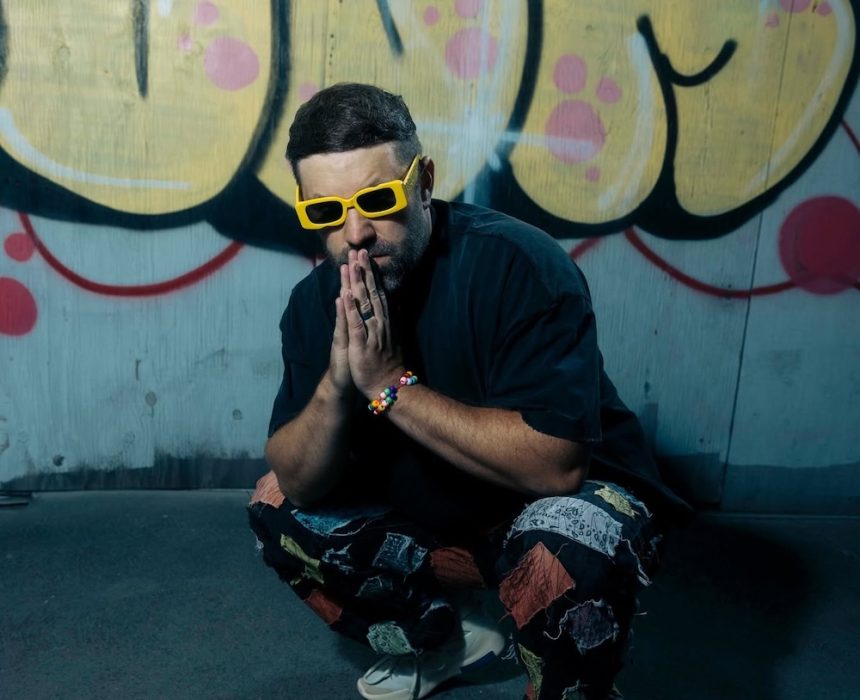
The Unlikely Union of Faith and EDM: A Spotlight on Rave Jesus
In a world of cultural intersections, the blend of spirituality and secular entertainment often raises eyebrows. So, what happens when a DJ decides to marry Electronic Dance Music (EDM) with Christian themes? You get an awe-inspiring phenomenon dubbed “Rave Jesus,” led by none other than DJ-producer King Topher. This unexpected twist on faith-based expression not only challenges conventions but also turns heads across both the music and religious scenes.
The Genesis of Rave Jesus
King Topher, with a diverse background rooted in secular music, underwent a transformative experience that led him to pivot toward a more spiritual artistic expression. With the moniker “Rave Jesus,” he encapsulates a vision that juxtaposes the fervor of a nightclub atmosphere with heartfelt religious undertones. It’s an audacious concept, one that dares to fuse the high-octane energy of the rave scene with the moral narratives inherent in Christianity.
EDM as a Platform for Spiritual Connection
In recent years, EDM has become a global sensation, known for its infectious beats and massive, euphoric crowds. Rave Jesus aims not only to entertain but to offer a unique platform for connection, exploring themes of love, redemption, and spiritual well-being. As dance floors pulsate to heavy bass drops, the experience transcends mere physicality, inviting participants to engage in a communal celebration of faith. Whether through lyrics that whisper of divine love or remixes of traditional hymns, Rave Jesus uses the universal language of music to create a distinctive worship experience.
A Cultural Commentary
It’s important to recognize the context of this fusion. Historically, music genres like rock have had complicated relationships with Christianity, often at odds with traditional messages. Rave Jesus enters this discourse daringly, perhaps pushing the limits of how communities perceive the intersection of faith and nightlife. With a playful bravado, King Topher invites audiences to re-evaluate what it means to engage with spirituality in less conventional settings.
The Event: A Night of Dance and Worship
This bold endeavor comes to light most dramatically during live events. Just imagine: Friday, June 19, at Conduit in Orlando, attendees are treated to an ambiance filled with pulsing lights, dynamic visuals, and beats that invoke both exhilaration and introspection. The tickets, ranging from $20 to $75, hint at a communal gathering that promises more than a typical night out—it’s a dance sermon that encourages participants to let go, lose themselves in the rhythm, and find spiritual freedom on the dance floor.
The Response: Controversy and Curiosity
The reception of Rave Jesus has been as varied as the music he plays. Supporters welcome the fresh take on worship that’s both engaging and relevant to modern audiences. Critics, however, argue that mixing EDM with Christianity risks trivializing sacred themes. Yet, therein lies the beauty of this concept—a dialogue about faith that not only embraces diversity but also challenges perceptions within both communities.
Why It Matters
Rave Jesus serves as a reminder that creativity often flourishes in the societal margins. King Topher’s audacity to create something uniquely his own fosters discussions about art, culture, and spirituality. It reassures us that faith can find multifaceted expressions, even in realms that some might deem inappropriate. Ultimately, whether you view Rave Jesus as revolutionary or irreverent, his emergence in the EDM scene undeniably contributes to the ever-evolving narrative arc of modern spirituality.
With the beats echoing through the venue, Rave Jesus is poised to attract a congregation eager for connection—both with one another and with something greater. In this daring crossroad of culture and faith, perhaps we’ll witness a transformation in how communities engage with both their music and their beliefs.



