
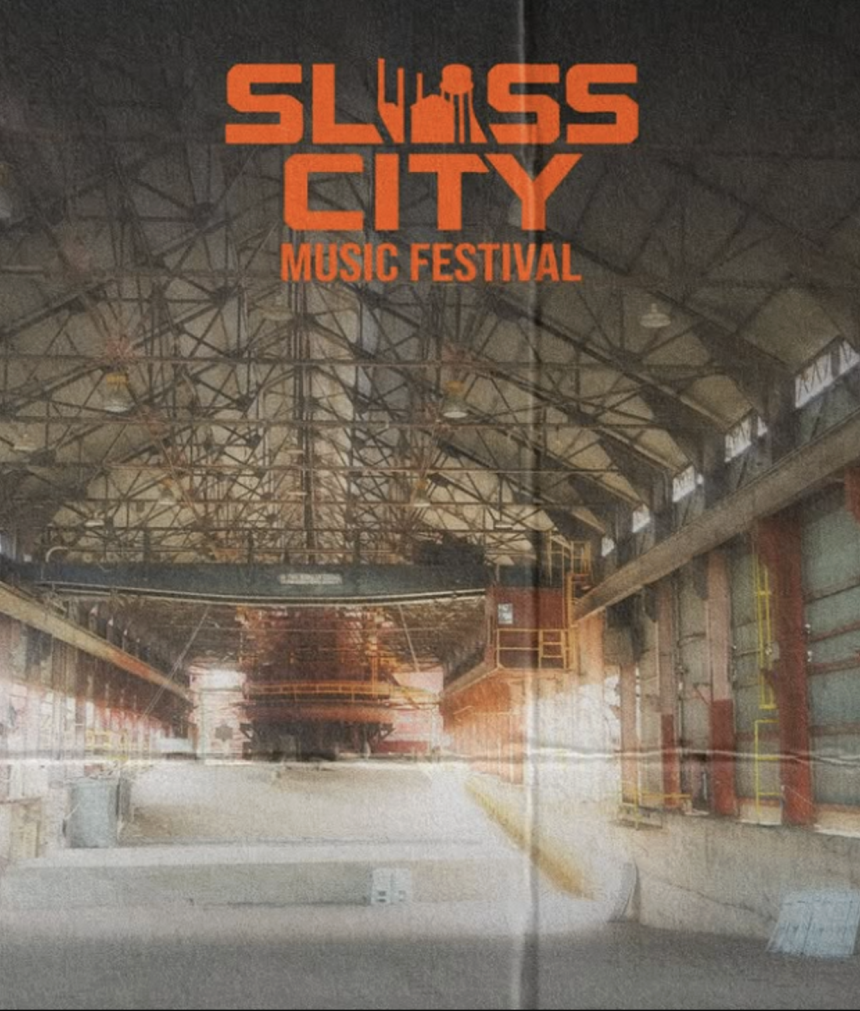
Festival Drama Unfolds in Birmingham: The Sloss City Controversy
In the world of Electronic Dance Music (EDM), where vibrant energy and diverse sounds collide, Birmingham, Alabama recently found itself embroiled in unexpected festival drama. The roots of this tension stretch back to January 2023, when Veritas Social announced the Sloss City Festival scheduled for September 18, 2026, at the historic Sloss Furnaces. Marketed as “the relaunch of a legendary Alabama music festival,” Sloss City aims to be a fresh face in the music scene—a notable distinction considering its namesake, Sloss Fest, which enjoyed a four-year run before discontinuing in 2018. However, in an era where inclusivity and community feedback reign supreme, the festival’s marketing strategy has raised eyebrows and sparked a heated debate.
Controversial Marketing Campaign
One of the more provocative elements of Sloss City’s promotions is the tagline: “Birmingham Isn’t Borning Anymore.” This slogan has been met with criticism for ostensibly undermining the efforts of local communities that have cultivated Birmingham’s music scene, especially in the underground EDM genre. The marketing choice comes across as a blanket dismissal of the artistry and events that have been integral to the city’s cultural fabric—an especially risky maneuver in a town that prides itself on resilience and creativity.
In addition, the festival’s launch has been met with skepticism due to its promotional rhetoric, which juxtaposes itself against the long-standing efforts of local artists and the broader community. Such messaging raises important questions: Who is this festival for, and who really gets to define Birmingham’s music narrative?
Issues of Diversity and Compensation
Critics haven’t just focused on the slogan; they’ve also zeroed in on the festival’s lack of diverse marketing and its compensation structure for local DJs. Reports suggest that local artists would receive only 15% of ticket revenue attributable to their promotional efforts via discount codes. In essence, this pay structure appears to erode the perceived value of local DJs and artists—transforming them into mere ticket salespeople instead of acknowledging their artistry first and foremost.
With sponsors like Pepsi, Gatorade, and Yelp prominently displayed on the festival website, many local advocates argue that the festival seems disconnected from Birmingham’s community-centric ethos. The lack of transparency regarding compensation for local acts has further fueled this fire, prompting concerns about whether the festival truly intends to nurture its homegrown talent.
A Call for Accountability from Local Artists
One notable voice in this controversy is Birmingham-based DJ Artsen, who has been vocal on social media regarding Sloss City Fest’s shortcomings. Artsen launched a campaign titled Sloss Fest Is Boring, showcasing frustrations along with contracts that illustrate the festival’s problematic payment structure. As criticism mounted, Sloss City felt compelled to issue a lengthy statement attempting to ameliorate these concerns.
In their response, Sloss City organizers stressed their local roots and reiterated their commitment to supporting Birmingham’s music scene. They acknowledged the misstep behind the “boring” tagline and vowed to improve the lineup’s representation while accepting criticism as a constructive avenue for growth. Their aim, they stated, is a festival experience that showcases both local and national talent.
Parsing the Response: Mixed Reactions
Following Sloss City’s statement, Artsen released an assessment rating the festival’s response a 5/10—indicating that while they appreciated the acknowledgment of raised concerns, many questions remained unanswered. Artsen pressed for guaranteed compensation for local DJs, urging the festival to treat them as artists rather than ticket sales facilitators. Furthermore, they critiqued the festival’s approach to representing Birmingham’s diverse communities, stressing that representation must be forward-thinking rather than reactive.
Additionally, Artsen emphasized the need for authentic community engagement, suggesting that simply being from Birmingham does not equate to being involved in its existing EDM scene. For the festival to genuinely resonate within the community, they must actively engage with local artists and support existing events.
Calls for Transparency and Change
In an age where transparency is paramount, Sloss City’s promise to improve communication about artist compensation is a step in the right direction, but it leaves many local advocates skeptical. The festival’s acknowledgment of these issues is significant, yet the belief that real change will manifest only through actions—not words—underscores the ongoing tension.
For Birmingham residents and the broader EDM community, the unfolding Sloss City drama serves as a crucial reminder of the delicate balance between bringing new events to life and honoring the existing artistic landscape. The festival landscape is often fraught with challenges, and in Birmingham’s case, the push for greater inclusivity, transparency, and respect for local artists is proving more crucial than ever. Only time will tell how the Sloss City Festival navigates the complexities of its emergence in this vibrant music community.