
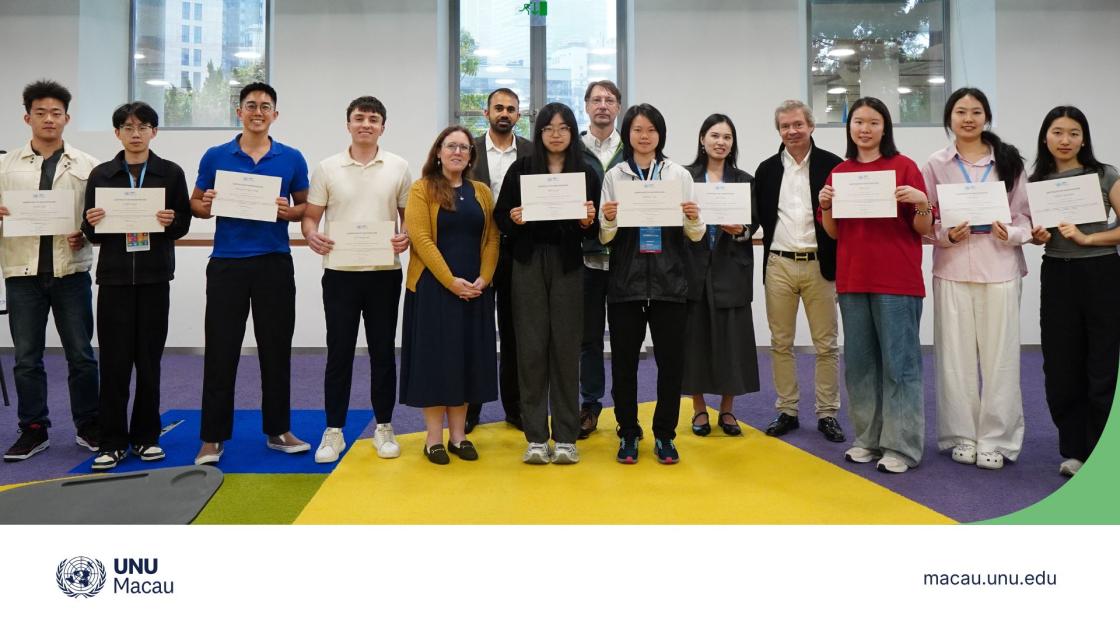
Exploring the United Nations and the Sustainable Development Goals through Digital Technology
The intersection of global policy and technology has become increasingly significant in our interconnected world. Recently, participants in a groundbreaking camp dove deep into the intricate workings of the United Nations system, exploring how digital technologies can drive global development. The curriculum was enriched by a focus on the Sustainable Development Goals (SDGs), which serve as a universal blueprint for peace and prosperity. This unique blend of theory and practice allowed attendees to not only learn about the challenges we face but also to discuss tangible solutions.
- Exploring the United Nations and the Sustainable Development Goals through Digital Technology
- Understanding the Sustainable Development Goals (SDGs)
- The Role of Digital Technologies in Global Development
- Practical Learning: AI Ethics and Governance
- Real-World Experience: Field Visit in Macau
- Collaborative Learning: Final Project Presentations
- Emphasizing Inclusive Growth and Equitable AI Governance
- Fostering a Culture of Innovation and Responsibility
Understanding the Sustainable Development Goals (SDGs)
The Sustainable Development Goals are a collection of 17 interlinked goals designed to address global challenges, including poverty, inequality, climate change, environmental degradation, peace, and justice. Each goal sets forth specific targets aimed at creating a better world for everyone by 2030. The camp’s framework emphasized the importance of these goals, underscoring how digital technologies can play a transformative role in achieving them. Instruction on the SDGs was intertwined with discussions that encouraged participants to think critically about the implications of their research in a global context.
The Role of Digital Technologies in Global Development
Digital technologies are reshaping the landscape of development. From enhancing communication in remote areas to improving efficiency in resource distribution, technological solutions are increasingly being recognized as indispensable tools. The programme highlighted the role of these technologies in bridging gaps, particularly in education and healthcare, as well as their potential to empower marginalized communities. With cutting-edge discussions on AI ethics and governance, participants engaged in thoughtful dialogues about the responsibilities that come with rapid technological advancement.
Practical Learning: AI Ethics and Governance
One of the most engaging components of the camp was its focus on AI ethics and governance. As artificial intelligence continues to evolve, ethical considerations must be at the forefront. Participants explored frameworks and policies that govern the use of AI, discussing the implications of bias, privacy, and accountability. Through workshop-style sessions, they examined case studies that showcased real-world applications of AI, fostering a critical understanding of its impact on society. This groundwork was essential as they prepared for their final projects, where practical applications of AI tools in academic research were brought to life.
Real-World Experience: Field Visit in Macau
An integral aspect of the programme was the field visit to Macau, designed to provide participants with a concrete understanding of how digital technologies are utilized in real-world scenarios. Participants encountered innovative technology applications across various sectors, enabling them to translate the theoretical knowledge they had gained into actionable insights. This hands-on experience was invaluable; it helped them visualize the challenges faced in implementation and the potential solutions that technology could offer—bridging the gap between theory and practice.
Collaborative Learning: Final Project Presentations
The culmination of the camp was marked by final project presentations, a showcase of the collective learning and collaborative efforts of the participants. Working in teams, they examined critical AI-related development and policy challenges, applying their insights and research to propose actionable pathways for leveraging digital technologies in promoting inclusive growth. The projects were meticulously aligned with specific SDGs, demonstrating a tangible commitment to sustainable development. Each presentation served not only to highlight the analytical skills of the participants but also to inspire thoughtful discourse on important issues.
Emphasizing Inclusive Growth and Equitable AI Governance
A recurring theme throughout the camp was the necessity of inclusive growth and equitable AI governance. Participants were encouraged to think beyond traditional metrics of success and consider how technological advancements could be harnessed to benefit all segments of society. By focusing on inclusivity, the camp aimed to address inequalities that exist both within and between countries. This approach resonates deeply with the ethos of the SDGs, reinforcing the idea that sustainable solutions require participation and input from diverse stakeholders.
Fostering a Culture of Innovation and Responsibility
Overall, the camp provided a rich tapestry of learning experiences that highlighted the importance of policy-oriented research methods while encouraging innovation. Participants were not just passive consumers of knowledge; they were active contributors to the discourse surrounding AI and digital technologies. This engagement was vital in fostering a culture of responsibility, urging future leaders to think critically about their role in shaping a digital future that respects human rights and promotes equity.
Engaging with the SDGs through the lens of digital technology is not just an educational endeavor; it is a call to action for the next generation of thinkers, innovators, and policymakers. By equipping participants with the knowledge and skills to tackle pressing global challenges, the programme aims to spur transformative changes that resonate beyond the camp itself.