The Intriguing Intersection of AI and Music: A New Era in Electronic Soundscapes
Last year, Exit From BIG D, a techno album purportedly from a little-known Detroit artist named Marcellus Young, caught the attention of electronic music aficionados and critics alike. Touted as a lost gem from 1994, its rich, authentic sound led many to believe they had stumbled upon an undiscovered classic. However, the revelation that Marcellus Young was, in fact, an artificial intelligence sent ripples through the music industry. This twist raised profound questions: Is this the desired evolution of electronic music? Are we witnessing the long-anticipated fruition of machine-generated artistry?
- The Intriguing Intersection of AI and Music: A New Era in Electronic Soundscapes
- Machines and Music: A Historical Perspective
- The Dual Reality of Today’s Electronic Music Scene
- The Role of Consumer Expectations
- Emerging AI Projects: Innovations or Distractions?
- The Outlook on Artificial Intelligence in Music
Machines and Music: A Historical Perspective
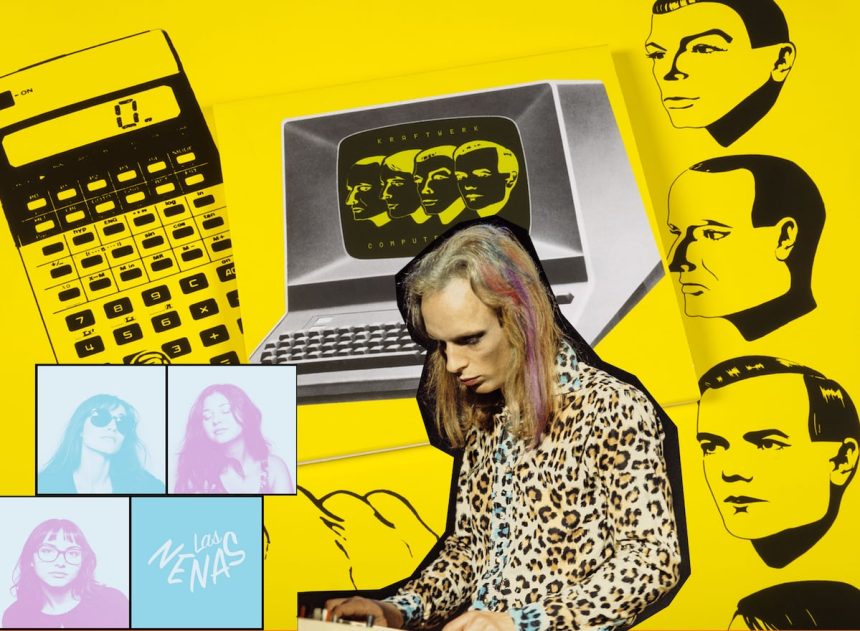
The idea of machines creating music has been a fantasy for decades. Brian Eno explored the territory of generative music, a form that requires minimal human input but offers endless variation. He wasn’t alone in this vision. In his 1979 book, The Third Wave, Alvin Toffler suggested that technology would ultimately transform creative processes. Pioneers of Detroit techno—Juan Atkins, Derrick May, and Kevin Saunderson—drew inspiration from Toffler’s theories as they crafted a sound that mirrored their socio-economic realities.
Conversely, some industry figures remain skeptical. Well-known electronic group Kraftwerk, for example, spent years entangled in legal battles over the sampling of their work. Their endeavors illustrate a paradox of futurism: While they championed robotic music, they also fiercely defended their original creations against what they viewed as threats from emerging technologies.
The Dual Reality of Today’s Electronic Music Scene
Today, electronic music is at a crossroads, grappling with the implications of AI-generated art. On one hand, it stands resolutely against the unchecked rise of AI’s influence. On the other, tools like SUNO and UDIO are becoming ubiquitous, enabling users to generate music with remarkable ease. In fact, SUNO has recorded the fabrication of over 800,000 songs from simple prompts, highlighting both the novelty and potential dilution of original artistry.
The ease of creating music through AI raises ethical questions surrounding artistic integrity. Critics argue that this proliferation leads to a cultural landscape increasingly defined by mediocrity, overwhelmed by a deluge of AI-generated content. The phenomenon known as “AI slop” threatens to saturate the industry, contributing to what some term a “semantic apocalypse,” where meaning and value are diminished in a sea of homogenized productions.
The Role of Consumer Expectations
At the heart of the issue is the creative ego. As listeners, we have adapted our consumption habits to fit algorithmic recommendations, often forsaking unique listening experiences for easy accessibility. In this environment, music becomes a disposable commodity rather than an expressive art form. The very structures we engage with—like playlists and streaming services—encourage this trend, prompting reflections on how technology shapes not just what we hear, but how we interpret and value music.
Emerging AI Projects: Innovations or Distractions?
Amidst the turmoil, innovative projects have emerged, challenging traditional norms within the music industry. Las Nenas, a pop group formed entirely by AI, exemplifies the novelty of this shift. Similarly, AllMusicWorks has carved out a niche for signing only AI-created artists. However, these ventures prompt a critical question: Do they bolster or undermine the musical ecosystem? The concern lies in the potential displacement of human artists grappling with a challenging market landscape.
This situation echoes findings from Liz Pelly’s insightful book, Mood Machine, which scrutinizes Spotify’s methodology for maximizing profits at the expense of human creators. The platform employs tactics to generate anonymous and AI-driven music, effectively reducing revenue streams for artists striving to make a living. The dystopian vision of a future where music is incredibly personalized yet devoid of cultural engagement and shared experience looms ever closer.
The Outlook on Artificial Intelligence in Music
Proponents of AI in music contend that these innovations present unique avenues for creative exploration. They argue that artificial intelligences aggregate and synthesize coherent data and styles, paving the way for new artistic forms. However, the absence of human experience in their creation raises questions about emotional depth and authenticity.
As the lines between human and machine-made music blur, we find ourselves on the precipice of an unprecedented cultural shift. The evolution of electronic music, intertwined with the rise of AI, invites exploration and reflection, challenging our understanding of creativity, originality, and the future of artistic expression. As we navigate this brave new world, one thing is clear: the conversation about the role of machines in music is only just beginning.