A Deep Dive into Electroclash: Roots and Legacy
When the music scene began to evolve rapidly in the early 2000s, electroclash emerged as an audacious genre that bridged the gap between punk’s raw energy and the synthetic allure of electronic music. Often characterized by its playful irreverence and an unapologetic embrace of avant-garde aesthetics, electroclash was both an artistic movement and a social commentary on the rapidly changing cultural landscape.
The Rise of Electroclash
Electroclash took shape against a backdrop of revitalized club culture. It manifested in New York City, a hub for artistic innovation and a breeding ground for new sounds. Artists looked back to the punk movements of the late 1970s and early 1980s while simultaneously pulling from the burgeoning electronic genres. The result was a thrilling collision where digital beats met punk rock attitudes. Key figures in the scene included James Murphy of LCD Soundsystem and the DFA label crew, but it would be a wide array of artists who rounded out the electroclash narrative.
Defining Tracks that Shaped Electroclash
-
The Rapture: “Olio” (2003)
The Rapture’s debut album, Echoes, was a watershed moment for electroclash. With “Olio,” the band married post-punk sensibilities to dancefloor-ready beats. It offered listeners a glimpse into the future—a melding of styles that simultaneously celebrated and challenged genre boundaries. The track was steeped in the lo-fi aesthetics of the late ’90s yet propelled into uncharted waters by the effervescent production techniques championed by Murphy. -
Crystal Castles: “Alice Practice” (2006)
Taking a darker route, Crystal Castles showcased a more experimental side of electroclash. “Alice Practice,” born out of the band’s ethos of embracing chaos, featured haunting vocals by Alice Glass, set against glitchy, unpolished electronic soundscapes. The song’s origins—a warm-up vocal take accidentally recorded—tell a story of spontaneity and rawness that defines the genre’s appeal. -
Green Velvet: “La La Land” (2001)
Curtis Alan Jones, known as Green Velvet, brought a sharper critique to the genre with “La La Land.” The track dissects the glamorous but often deceptive allure of Los Angeles. Its catchy hooks underscored a deeper, darker narrative about the highs and lows of chasing dreams in a city that often chews up and spits out the hopefuls.
Iconoclastic Voices and Cultural Commentary
Electroclash wasn’t just about the music; it was a mode of expression underpinned by powerful narratives. Uffie, one of the genre’s most provocative artists, encapsulated this ethos with “Pop the Glock.” Her blend of a faux patois with a baby voice created an ironic twist that critics and fans alike found irresistibly entertaining. This persona challenged clichés surrounding femininity and authenticity in a male-dominated music scene, embodying electroclash’s spirit of subversion.
The Aesthetic of Electroclash
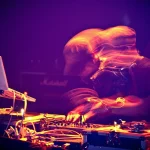
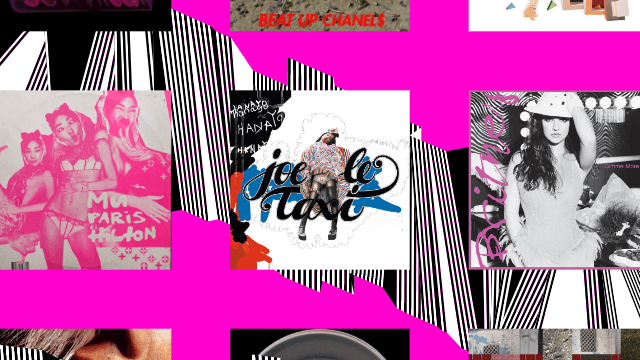
The visual identity of electroclash was just as powerful as its music. Artists and DJs embraced bold fashion choices, often mixing high art with low culture. This meant neon colors, vintage aesthetics, and DIY sensibilities merged into a vibrant tapestry that was as much about appearance as sound. Nightclubs became galleries of this audacious style, where patrons dressed as if they were on the set of a retro-futuristic film.
Electroclash’s Legacy
While the electroclash movement, as a cultural phenomenon, may seem like a fleeting moment in the broader narrative of music, its impact lingers. It laid the groundwork for later genres and trends, influencing everything from indie pop to contemporary electronic music. The genre’s amalgamation of various influences and its embrace of irony and playfulness continue to inspire modern artists exploring the boundaries of sound and aesthetic.
In retrospect, electroclash proved to be a transformative force that encapsulated a generation’s desire for change and expression against the backdrop of an evolving cultural landscape. Its audacious spirit remains alive today, reminding us that music is not just about sound, but about identity, exploration, and the courage to be different.