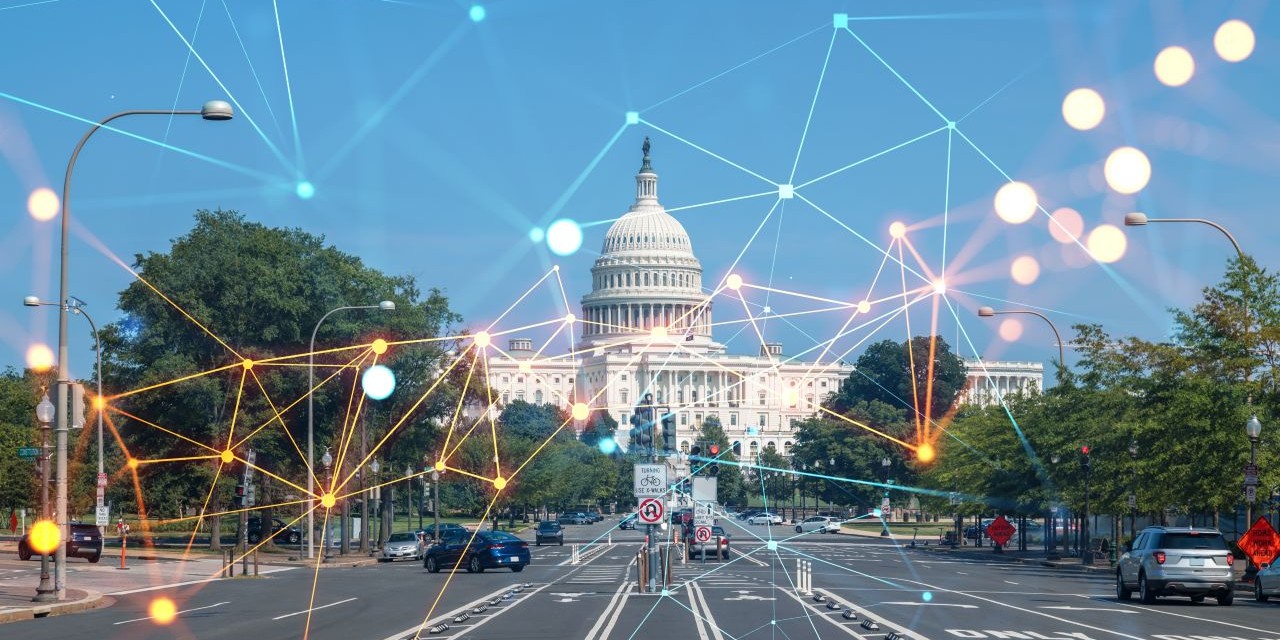
Reimagining Congressional Engagement: The Role of Deliberative Technologies
The January 6, 2021, attack on the U.S. Capitol served as an alarming wake-up call, revealing profound institutional shortcomings within Congress, particularly its ability to engage authentically with civic voices. This incident has ignited crucial discussions about how to modernize congressional operations to effectively listen to and process public concerns.
The Civic Voice Dilemma
One of the central issues highlighted by the report is the disconnect between Congress and the public. Despite being the epicenter of democratic representation, Congress struggles to engage meaningfully with citizens. This situation is not merely a reflection of inadequate political will; it is intricately tied to the lack of modern technological infrastructure designed to facilitate active public participation.
Distinguishing Deliberative from Civic Tech
The report draws a clear line between two critical concepts: civic technology and deliberative technology. While civic tech typically focuses on tools that foster citizen engagement—such as platforms for direct communication with lawmakers—deliberative tech goes a step further by structuring public testimony into actionable insights for legislative bodies. Understanding this distinction is vital for framing effective solutions to Congress’s engagement issues.
A New Approach to Public Testimony
Deliberative technologies have emerged as a promising avenue for addressing Congress’s shortcomings. By transforming public testimony into digestible and actionable legislative insights, these technologies can create a bridge between citizens and their representatives. Imagine a scenario in which a public hearing could seamlessly integrate citizen feedback into policy discussions, allowing lawmakers to respond proactively rather than reactively.
Insights from Congressional Staff
The report’s findings are grounded in more than 100 interviews with congressional staff, offering a rich tapestry of perspectives on the challenges and opportunities within Congress. Many staff members voiced frustrations regarding existing processes that often render citizen input ineffective or unheard. This sentiment underscores a broader call for systemic reform focused on revitalizing public participation in governance.
Infrastructure Over Will
The pervasive belief that Congress’s unresponsiveness stems from a lack of political will is challenged by the report’s findings. It posits that this unresponsiveness is more accurately attributed to outdated infrastructure. Current systems cannot adequately handle the complexities of public opinion and civic engagement, leading to a cycle where the voice of the people is drowned out in the clamor of partisanship and procedural rigidity.
Modernization Efforts
The report argues for aligning deliberative technologies with ongoing modernization efforts within Congress. By integrating innovative technologies that facilitate better communication, tracking of public input, and streamlined decision-making processes, Congress can revive the constitutional principles of assembly and petition. This reformation could ultimately lead to a more vibrant democratic process where citizen voices are not just heard but are instrumental to legislative action.
The Future of Deliberative Democracy
As Congress contemplates a path forward in the wake of modern challenges, the implementation of deliberative technologies may offer a crucial lifeline. Enhancing the ability of lawmakers to engage with authentic civic voices can lead to policies that are more reflective of the public’s needs and concerns. The challenge lies not merely in adopting new technologies but in fostering a cultural shift within Congress that prioritizes citizen engagement as a fundamental duty of representative democracy.
This expansive view reveals that modernizing Congress requires more than just technological advancements; it demands a fundamental reevaluation of how lawmakers perceive and interact with their constituents. Through the adoption of deliberative tech, the hope is to usher in a new era of governance that truly embodies the principles of democracy, where every voice matters.
With these insights, there’s an opportunity to reshape how legislation is crafted, ensuring a government that is genuinely of, by, and for the people.