The Evolution and Impact of House Music in the Modern EDM Era
Electronic Dance Music (EDM) has carved a niche for itself in the global music scene, permeating nightclubs and festivals while also making waves beyond dance floors. Among the various subgenres of EDM, House music stands as a cornerstone, celebrated not only for its hypnotic basslines but also for its profound influence on community and personal expression.
The Roots of House Music
House music originated in the early 1980s in Chicago, but its development gained significant traction throughout the 1990s. Characterized by repetitive beats, synthesized melodies, and deep basslines, it quickly captured the hearts of dance music enthusiasts. The genre emerged as a refuge for marginalized communities, offering a safe space for self-expression and connection. As dancing became a form of liberation, House music transformed into a cultural phenomenon that resonated with many.
The Commitment to Keep House Music Thriving
Antonio Pelayo, an influential events producer and founder of House Issues, embodies what House music represents. His dedication to the genre highlights its enduring charm. “I see House Music like a form of therapy,” Pelayo shared, explaining how engaging with the music can elevate one’s spirit. His belief in its timelessness is evident in the vibrant events he produces, which continue to draw in crowds passionate about the sound and experience.
In an age dominated by rapidly evolving musical styles, the fact that House music still captivates audiences speaks volumes about its quality and relevance. Pelayo’s mission to sustain and promote this genre demonstrates a shared commitment among artists and fans to ensure that House music continues to thrive.
Creating a Community Through Music
One key element that sets House music apart is its community. DJ Irene, a well-known electronic artist who gained prominence at iconic venues such as the Arena Nightclub in Los Angeles, emphasizes the importance of the environment fostered by House music. “It’s all about community, and a safe environment,” she states, underscoring how the genre allows individuals to escape into a world of their own. The atmosphere created by the sound and energy of House music fosters connection, offering a sense of belonging and peace.
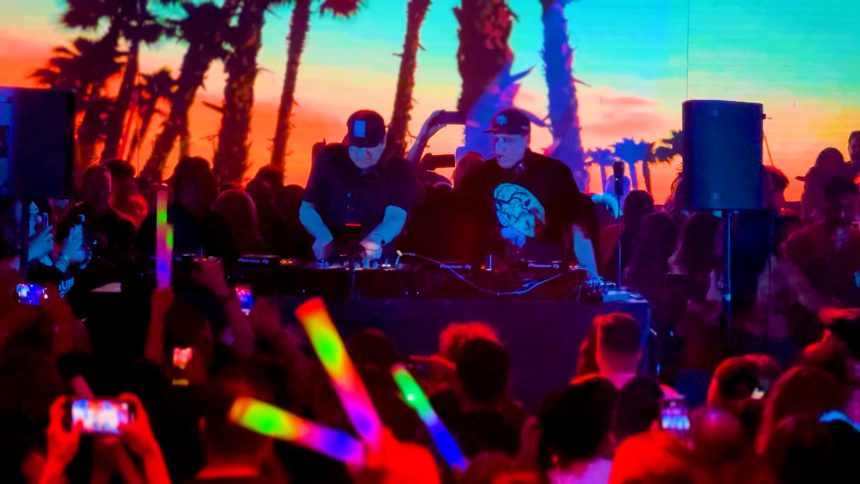
Clubs and festivals often serve as gathering places where like-minded individuals unite, dancing, celebrating, and embracing the euphoric experience that House music provides. This sense of togetherness contributes to the genre’s staying power, ensuring that it remains a significant force within EDM.
The Therapeutic Qualities of House Music
The emotional resonance of House music extends beyond the dance floor. Both Pelayo and Irene point to its therapeutic qualities. The rhythm and melodies can evoke feelings of joy, nostalgia, and even catharsis. When the bass drops, and the synths swell, it has the power to elevate mood and inspire creativity.
For many, attending a House music event goes beyond mere entertainment. It becomes a journey of self-discovery and healing. Dance floors transform into sanctuaries where individuals can let go of their worries, united by a shared love for the music that moves them. This communal experience enhances the allure of House music, making it an essential part of many people’s lives.
The Future of House Music
Despite the fluctuations in music trends and the rise of new genres, House music maintains a dedicated following. It embodies a unique blend of timelessness and innovation, continually evolving while remaining rooted in its core elements. With producers and DJs exploring new sounds and collaborations, the genre is set to captivate future generations.
As the EDM landscape continues to grow and diversify, House music stands proud, uniting individuals in joyous celebration, fostering community connections, and enhancing the human experience through rhythm and groove.
For those interested in delving deeper into the world of House music, explore more at House Issues.