Fireworks Go Quiet Amid Wildfire Risk
The Context of Wildfire Risks
As the summer heat intensifies, many regions across Europe find themselves grappling with severe weather conditions, particularly persistent heat and ongoing drought. These extreme weather patterns have raised significant concerns about wildfire risks, compelling local authorities to take measured responses to safeguard both people and the environment. In Belgium, the situation escalated to a Code Orange wildfire risk classification—a classification that indicates a substantial threat of wildfires and prompts urgent action from local officials.
Tomorrowland’s Response to Fire Safety Regulations
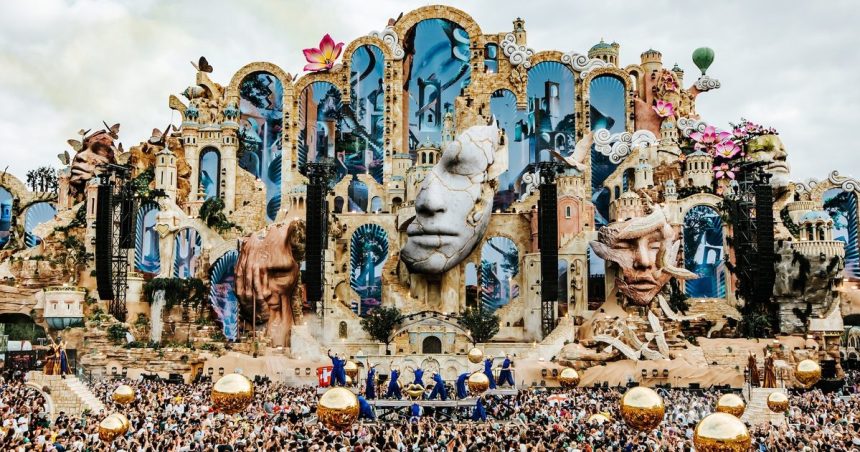
One of the most significant cultural events in Belgium, Tomorrowland, which spans multiple weekends, faced the implications of this heightened wildfire risk head-on. The festival typically dazzles attendees with spectacular firework displays and pyrotechnics, creating an electrifying atmosphere. However, following consultations among key local figures—including Boom Mayor Jeroen Baert, Rumst Mayor Jurgen Callaerts, and Antwerp Provincial Governor Cathy Berx—the decision was made that all fireworks and pyrotechnics would be banned during the festival’s first weekend.
The decision was not taken lightly; it reflected a serious commitment to public safety and environmental conservation under the looming threat of potential wildfires. The collaborative effort between the festival organizers and local authorities ensured that the festival could proceed while adhering to strict safety guidelines.
Limited Pyrotechnics for Weekend 2
Unlike the first weekend, festival organizers received permission to incorporate controlled pyrotechnics during the second weekend of Tomorrowland. However, even amid this more permissive stance, the use of high-altitude fireworks remained strictly prohibited. The constraints meant that festival organizers had to adapt their plans significantly, opting for limited effects that adhered to the safety protocols in place.
Short-distance T1 and T2 effects were utilized sparingly, primarily focused on the Mainstage. This carefully measured approach demonstrated the organizers’ dedication to compromising between maintaining the spirit of the festival and prioritizing safety. The incorporation of these elements helped to ensure that attendees could still experience some level of excitement without escalating any risks associated with wildfire conditions.
Creative Alternatives: LED Visuals Take Center Stage
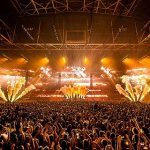
In light of the restrictions on conventional fireworks, Tomorrowland’s production team took a creative approach to fill the void. By designing captivating LED visuals that simulated fireworks bursting across the Mainstage’s vast screens, they provided a mesmerizing alternative that kept the visual spectacle alive. These vibrant displays allowed attendees to enjoy the thrilling ambiance typically associated with fireworks, effectively bridging the gap left by firework bans.
The creative direction not only allowed Tomorrowland to maintain its reputation for outstanding visual artistry but also illustrated the festival’s adaptability in challenging circumstances. Attendees were treated to impressive graphics that complemented the music and atmosphere of the event, ensuring that even without real pyrotechnics, the festival experience remained as immersive and engaging as ever.
Restrictions on Personal Cooking Equipment
In addition to the bans on fireworks and pyrotechnics, Tomorrowland organizers also implemented strict regulations regarding personal cooking equipment at the Dreamville campsite. Recognizing that open flames could pose an additional risk to fire safety amidst the drought conditions, the festival opted to prohibit personal barbecues and gas cooking devices. This measure was another layer of precaution in fostering a secure environment for all participants.
This decision may have been met with some disappointment among festival-goers eager to enjoy a barbecue with friends, but it served a crucial purpose in prioritizing safety at a time when environmental conditions were particularly precarious. By enforcing these restrictions, Tomorrowland showed a profound respect for the surrounding area and its potential risks.
Conclusion
As summer festivals continue to thrive, Tomorrowland’s decision to ban fireworks in light of worsening wildfire conditions serves as both a reminder and a model for other events in similar circumstances. Balancing entertainment and safety is no small feat, but events like Tomorrowland demonstrate that creativity and flexibility can go hand in hand, ensuring unforgettable experiences while respecting local ecosystems.