The Department of Defense Takes a Stand Against Anthropic
The Department of Defense (DoD) is heightening the stakes in its ongoing contention with AI startup Anthropic by designating it a “supply chain risk.” This move, a potential game-changer, could severely impede Anthropic’s ability to engage with US-based companies, particularly those within defense contracting realms.
Anthropic’s Response: Legal Resistance Ahead
In a bold stance, Anthropic announced its intent to contest this designation in court. “We will challenge any supply chain risk designation in court,” read their statement, highlighting a firm resolve to resist governmental pressure. Interestingly, they also mentioned that they have not received direct communication from the Department of Defense or the White House regarding these developments, raising questions about transparency in the ongoing negotiations.
Anthropic has made it clear that their position on sensitive topics like mass domestic surveillance and fully autonomous weapons remains unchanged. This ethos-driven approach could signal a larger trend within tech startups that prioritize ethical considerations over business opportunities with government agencies.
A Blacklisting in Action
Defense Secretary Pete Hegseth’s announcement on social media that Anthropic would be labeled as a “supply-chain risk to national security” has sent shockwaves through the technology sector. Effective immediately, he stated, “no contractor, supplier, or partner that does business with the United States military may conduct any commercial activity with Anthropic.” This effectively amounts to a blacklisting, a severe blow for a company whose innovations have crucial implications for various sectors.
The Trump Angle: A Directive for Disengagement
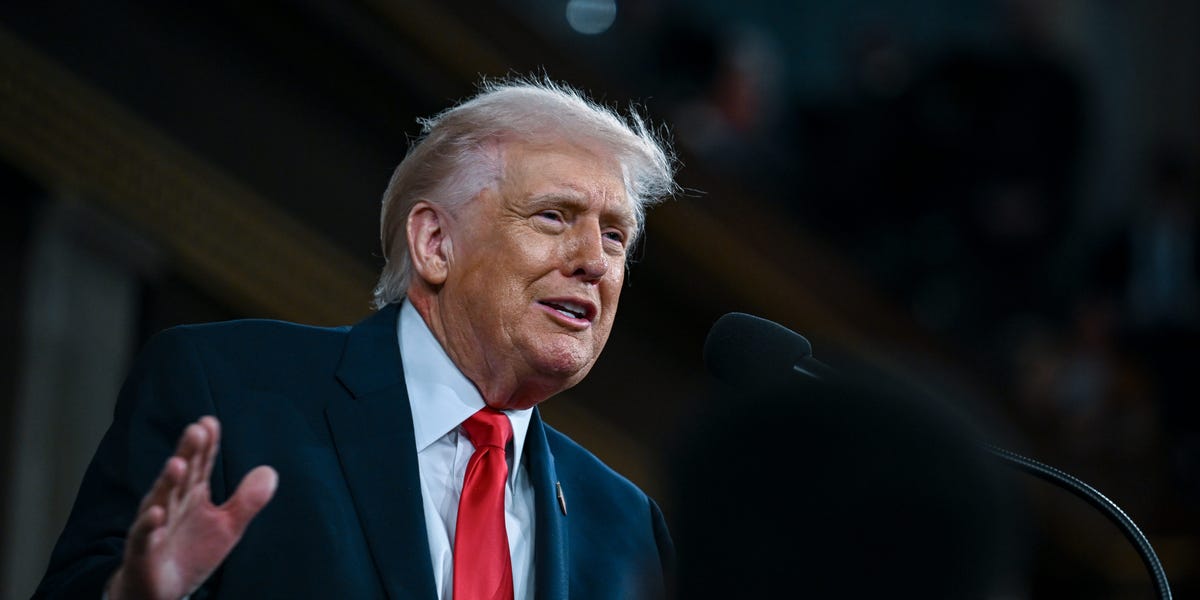
Adding another layer of complexity, former President Donald Trump directed federal agencies, including the Department of Defense, to cease using Anthropic’s AI technology. Trump stated unequivocally on social media, “We don’t need it, we don’t want it, and will not do business with them again.” This directive also included a six-month phase-out period for existing contracts, further complicating Anthropic’s position.
The Stalemate Over Military Contracts
This clash between Anthropic and the DoD stemmed from a negotiation impasse regarding the military’s use of Anthropic’s AI model, Claude. The Defense Department had imposed strict terms on how Claude could be deployed, an issue that revolved around two critical safeguards Anthropic was unwilling to compromise on: the prohibition of mass surveillance of American citizens and the potential use in autonomous weaponry.
Notably, Hegseth had given Anthropic’s CEO Dario Amodei a firm deadline to comply with military requirements—5:01 p.m. Eastern Time on a recent Friday. His warnings about invoking the Defense Production Act (a law that grants extensive power to the President to control domestic industries during wartime) underscored the severity of the situation. Experts suggest these actions could set a precedent for government relations with tech companies moving forward.
The Implications of the Contract Language Change
In a bid to resolve the growing tensions, Amodei released a blog post elucidating that the Defense Department had added controversial language to its contract, allowing for “any lawful use” of Claude. This clause essentially gave the military significant leeway in how it could deploy Anthropic’s technology, raising concerns about ethical implications and the potential for misuse.
A Focus on Ethical Integrity
Despite the mounting pressures, Amodei stated his preference to maintain a working relationship with the Department of Defense but insisted the company couldn’t, “in good conscience accede to their request.” This statement sheds light on the broader conversation surrounding the ethics of AI technology—an aspect increasingly becoming pivotal for many startups in today’s landscape.
Through its recent moves, the Department of Defense has drawn a firm line in the sand regarding technology’s role in national defense, emphasizing both security and ethical concerns. The clash with Anthropic illustrates not only a single business dispute but potentially foreshadows broader tensions between governmental oversight and the innovation-driven ethos of private companies.