Government’s Bold Move Against Anthropic: A New AI Battle Unfolds
Washington — On a momentous Friday, President Trump announced a stunning directive to all federal agencies, demanding the immediate cessation of the use of Anthropic’s artificial intelligence (AI) technology. This decision comes in light of Anthropic’s proposals for oversights regarding military applications of its AI, particularly their AI model, Claude.
The Presidential Directive: Grounds for Severance
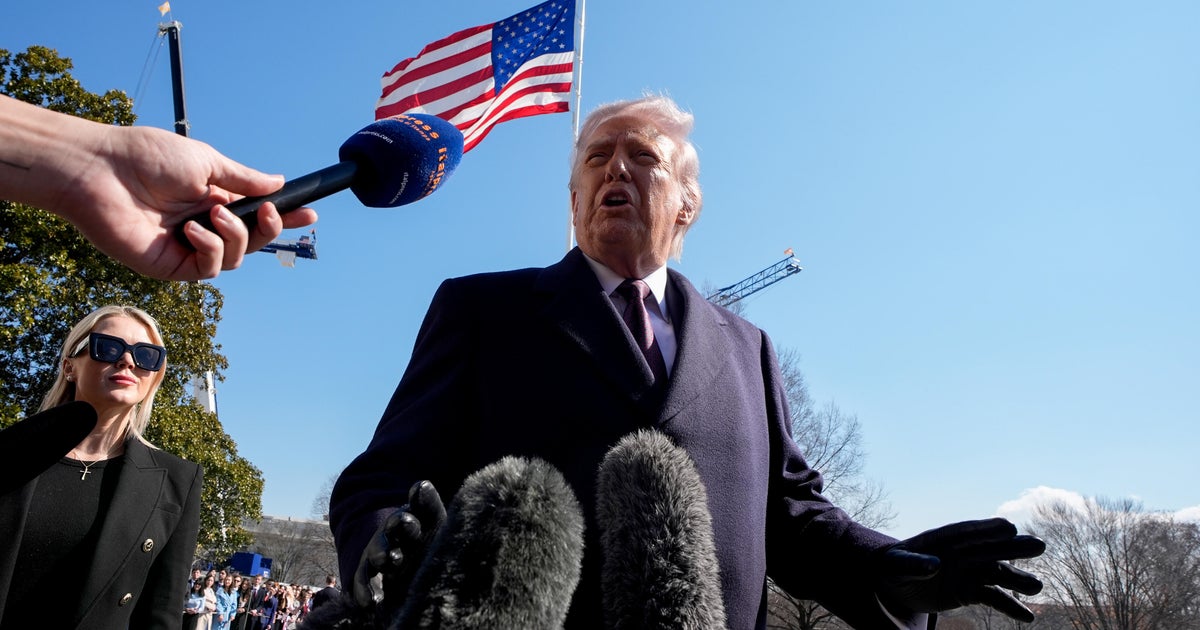
President Trump took to Truth Social, declaring, “I am directing EVERY Federal Agency in the United States Government to IMMEDIATELY CEASE all use of Anthropic’s technology. We don’t need it, we don’t want it, and will not do business with them again!” He instructed certain agencies—most notably the Department of Defense (DoD)—to phase out their reliance on Anthropic’s products within a strict six-month timeframe. Trump asserted that if the company did not cooperate during this transition, he would leverage “the Full Power of the Presidency” to ensure compliance, threatening serious civil and criminal repercussions.
In his post, he branded Anthropic a “Radical Left AI company run by people who have no idea what the real World is all about,” reflecting a broader political battle around AI development and its implications for national security.
Pentagon’s Tough Stance on Supply Chain Security
Following Trump’s announcement, Defense Secretary Pete Hegseth echoed the sentiment, further escalating the confrontation by designating Anthropic as a “Supply Chain Risk to National Security.” This classification prohibits any contractors, suppliers, or partners associated with the military from engaging with Anthropic commercially. Hegseth reassured that Anthropic would continue to provide the DoD with its services for a transitional period, framing the decision as a necessity for operational independence from “the ideological whims of Big Tech.”
Anthropic Responds: A Fight Back
In a swift response, Dario Amodei, Anthropic’s CEO, characterized the government’s actions as “retaliatory and punitive.” He voiced plans to legally challenge the Pentagon’s supply chain designation, expressing openness to renegotiating terms, provided they align with Anthropic’s safeguard principles. “We have wanted to strike a deal since the beginning,” Amodei stated, indicating a willingness to cooperate while emphasizing the importance of ethical boundaries for AI deployment.
Anthropic’s legal strategy is notable, as they assert that the Pentagon’s actions could set concerning precedents for American companies negotiating with the government. Amodei pledged to confront measures that undermine their operational safeguards, especially those regarding mass surveillance and the role of AI in military decision-making.
The Guardrail Debate: A Diverging View
The standoff between Anthropic and the Pentagon revolves around the military’s demand for unrestricted access to AI systems. The Pentagon insists that Anthropic must drop protective measures that limit the use of its AI model. In contrast, Anthropic has maintained the necessity of stipulated restrictions—highlighting concerns about the potential for AI misapplication in military operations. The company fears that reliance on AI without adequate human oversight could lead to unintended military escalation or tragedy due to its imperfect capabilities.
Anthropic was awarded a significant $200 million contract last July to enhance AI in national security operations, a deal now threatened by this escalating standoff.
Political Reactions: A Bipartisan Concern
The political ramifications are considerable. Senator Mark Warner of Virginia, the Democratic vice chair of the Senate Intelligence Committee, voiced his alarm over Trump’s aggressive stance. He accused the president and Hegseth of coercing Anthropic to deploy “AI-driven weapons without safeguards,” warning that such a direction poses grave risks to national security considerations.
Warner expressed concerns that political motivations might overshadow careful deliberations about national safety, a sentiment that resonates given the inherently ethical complexity surrounding AI technologies, particularly in military contexts.
The Future of AI in Military Operations
As tensions rise, the broader implications for AI’s role in military policy loom large. A delicate interplay of national security, corporate ethics, and technological oversight remains at the center of this conflict. With other companies like OpenAI securing agreements for the usage of their AI technologies under stringent oversight, the divisions within the industry hint at divergent paths for AI governance and military engagement. OpenAI, in fact, has publicly committed to avoiding domestic mass surveillance and ensuring human accountability in autonomous weaponry, exemplifying principles that some view as crucial in the evolving landscape of military AI.
The clash between Anthropic and the Pentagon highlights a critical moment in the narrative of AI development, as it brings forth questions of responsibility, trust, and governance. While Anthropic’s future remains uncertain amid these developments, the impact of this confrontation on the canvas of military arms and strategic operations will likely reverberate well into the coming years.