The Thriving Landscape of Dance Music
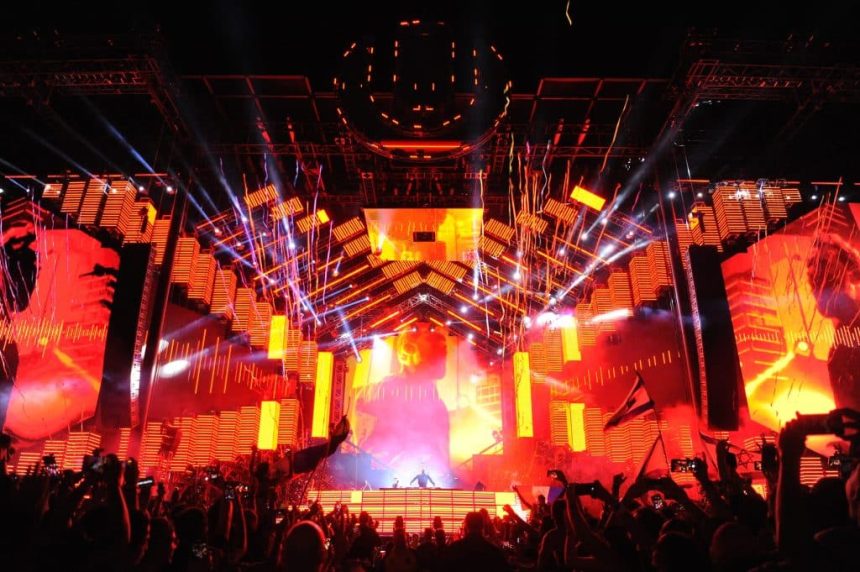
Dance music is undeniably on a high note, transforming the live entertainment scene and establishing itself as a lucrative market. The genre’s current momentum has some industry insiders proclaiming it to be a “Golden Age.” The proof is in the numbers: prominent artists and massive festivals are raking in record-breaking revenue, indicating a vibrant and robust ecosystem.
Rising Stars and Iconic Venues
The upcoming music season is buzzing with excitement, as two dance artists have secured positions in Pollstar’s Q1 Top 100 Tours chart. John Summit is set to headline the iconic Madison Square Garden, while Fred again.. recently wrapped up an Australian tour that sold out within moments. Such turnouts illustrate the demand and passion audiences have for dance music.
Notably, the Electric Daisy Carnival (EDC) Las Vegas remains a behemoth in the festival circuit, attracting 525,000 attendees over three days last year. This staggering figure not only reflects the festival’s massive scale but also highlights dance music’s strong fan base. With events like these, the genre is undeniably cementing its place in mainstream culture.
Economic Impact and Noteworthy Performances
Ultra Music Festival has long served as a launching pad for the dance music year and remains an economic powerhouse for Miami. After facing challenges with local government in 2019, the festival returned to the city three years later and has since contributed nearly $1 billion to Miami’s economy since 2012. This economic impact is indicative of dance music’s broader influence on hospitality, tourism, and local businesses.
In terms of ticket sales, artists like ODESZA are making headlines. The duo grossed over $520,000 from a recent show in Mexico City and similarly impressive amounts at other venues. Their upcoming tour will include multiple dates at prestigious locations like the BMO Stadium in Los Angeles and Madison Square Garden. This level of success illustrates the commercial viability of dance music artists and their growing reach.
Festival Economics and Revenue Streams
Beyond ticket sales, financial dynamics at festivals further bolster artists’ profits. While tours often struggle to cover operational costs, festivals often allow for reduced overhead thanks to pre-set production and infrastructure. This makes festivals not just a performance opportunity, but a significant avenue for financial gain.
Clubs are also vital to the dance music economy. Venues in Las Vegas, for instance, host marquee DJs like Kaskade and deadmau5, with significant revenue stemming from table and bottle service. While the increasing popularity of larger shows can tense the club market, they still serve as essential platforms for developing talent and fostering community.
The Future of Experience-Driven Shows
Visual elements play a crucial role in shaping how fans experience dance music, with agencies like Afterlife using compelling visuals to enhance performances. However, some artists opt for a return to minimalism, favoring intimacy over spectacle. Fred again.. exemplifies this trend with spontaneous warehouse shows, drawing inspiration from the ‘90s rave culture that celebrates raw musicality and connection.
Innovative event formats also contribute to a refreshing experience. Artists like Skrillex and Four Tet have embraced creative settings that allow them to interact closely with their audience. Prominent pop-up performances in unique venues create an air of exclusivity, giving fans a once-in-a-lifetime experience that fosters a sense of community and belonging among attendees.
Resurgence of Subgenres and Global Appeal
The landscape of dance music is also diversifying, with various subgenres gaining immense popularity. Drum and bass is resurgent both in North America and internationally, driven by influential acts like Blanke and the supergroup Worship. Their appearance at events during Miami Music Week illustrates the genre’s growing visibility and appeal. Meanwhile, techno is solidifying its status in markets like Denver and even earning UNESCO Cultural Heritage status in Berlin.
This revival is transforming the dance scene into a dynamic and diverse tapestry. The ongoing evolution allows artists not only to explore their creativity but also to connect with new audiences across varying tastes.
Community-Centric Movements
Artists are now focusing on building brands that prioritize the fan experience, reminiscent of the early days of electronic music. These movements underscore a collective desire to create something special that resonates deeply with fans—blurring the lines between spectator and participant.
With engagement at the core of these initiatives, it’s clear that the current climate in dance music is infused with passion, creativity, and community. The industry continues to push boundaries and innovate, appealing to both newfound fans and seasoned enthusiasts alike.
In this vibrant environment, dance music is not merely a genre; it’s a powerful force that shapes cultural landscapes, economic dynamics, and community connections.