
What is EDM Music? An Insight into Its History, Subgenres, and Growth in Nigeria
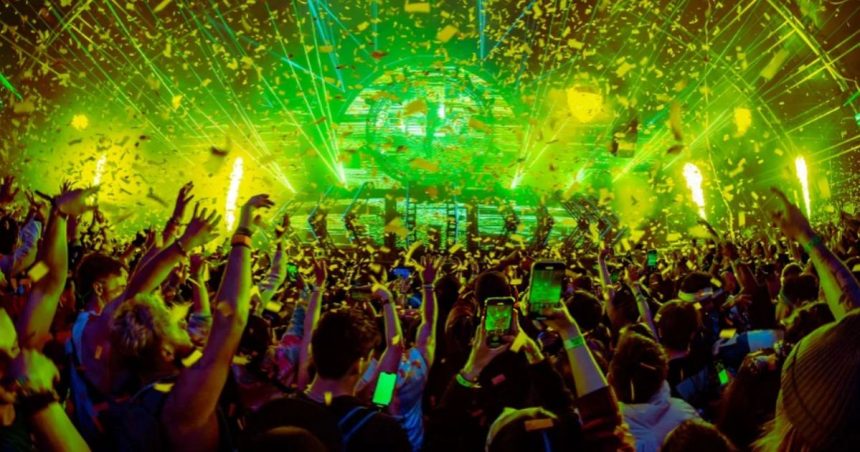
You’ve likely experienced it at raves, festivals, or even through videos on social media—EDM, or Electronic Dance Music, is everywhere! Formally, EDM is a broad umbrella term that encompasses various electronic genres created to move people on the dance floor.
EDM is more than just a style; it’s a collection of subgenres crafted specifically for partying. Its essence lies in rhythm, beats, and high energy, making it a staple in nightclubs and at massive festival stages. From programmed beats to synthesizers, the production of EDM relies heavily on technology rather than traditional instruments, enabling tracks to feature catchy rhythms and explosive drops that captivate audiences.
The Roots of EDM: A Historical Perspective
EDM didn’t just spring into existence. Its roots trace back to the late 1970s during the disco era when electronic instruments began infiltrating dance music. As the 1980s rolled in, innovations like MIDI and computer technology further pushed electronic music into mainstream arenas, particularly in Europe. Synth-pop and post-disco sounds emerged, transforming the music landscape.
The 1990s witnessed the birth of genres that are now considered staples in the EDM universe—techno, house, drum and bass, hardcore rave, hardcore (hardstyle), and trance. Cities like Detroit and Chicago were pivotal, fostering club culture and local scenes. However, the music often faced resistance in mainstream circles, perceived negatively due to its association with rave culture and the underground scene.
As EDM reached into the 2000s, the genre saw immense growth driven by notable figures like Tiesto, David Guetta, and Skrillex, propelling it into the global spotlight. EDM influences began to ripple through various music genres, impacting pop, hip-hop, and festival culture, while still retaining its immersive high-energy roots.
Main Subgenres of EDM
EDM is multifaceted, comprising various subgenres, each with its own unique characteristics:
- Disco: The original inspiration for EDM, merging rhythm & blues, funk, soul, and pop with electronic elements.
- House: Originating from Chicago, house music became foundational for contemporary EDM and birthed various subgenres, including techno and trance.
- Drum and Bass (DnB): Characterized by fast-paced breakbeats and heavy basslines, DnB adds layers like melodic elements through styles like liquid DnB.
- Dubstep: Known for its lower tempo and emphasis on wobble bass, dubstep delivers a distinctively unconventional rhythm.
- Techno: Darker in its stylistic approach, techno focuses on rhythm and atmospheric sounds, crafting immersive listening experiences.
- Afro-EDM: A rising trend in Nigeria, Afro-EDM combines traditional Afrobeats with electronic elements, creating a fresh and unique sound.
EDM in Nigeria: The Rise of Afro-EDM
Nigeria’s EDM scene is blossoming, fueled by a fusion of traditional Afrobeats with electronic rhythms. This cultural blend has given rise to what many are now calling Afro-EDM. The genre is particularly popular among Gen Z, who gather at raves and events, creating inclusive communities that celebrate their shared taste in music.
Local DJs and collectives experiment with EDM, pushing beyond global trends while infusing a Nigerian flair into the mix. Their creativity reflects the evolution of the genre within local contexts, marrying the global energy of EDM with the richness of Africa’s musical heritage. This transformation not only provides a new sound but also strengthens community bonds.
Distinguishing EDM from Rock and Electronic Music
One key distinction lies in the composition and performance of the music itself. EDM focuses on electronically created beats and production techniques, designed primarily for dancing and engagement on the dance floor. This contrasts sharply with rock music, which is rooted in live instrumentation like guitars and drums, often driven by lyrical storytelling and vocal performances.
While both genres can generate high-energy experiences, EDM prioritizes production vibe and rhythm, whereas rock concentrates more on structure and live performance dynamics.
EDM vs. Electronic Music: A Clarification
It’s a common misconception that all electronic music falls under the EDM umbrella. While EDM is a specific subcategory of electronic music tailored for the dance culture, electronic music itself is a broader genre that includes diverse styles such as ambient, experimental, and synth-pop. In essence, while every piece of EDM is electronic music, not all electronic tracks qualify as EDM.
The Appeal of EDM
EDM’s appeal goes far beyond rhythm; it taps into the neurochemistry of music. The intricacy of its beats stimulates the brain’s reward system, producing dopamine and eliciting a pleasurable response. Fans enjoy the communal energy found at festivals, the creativity of remixes, and how the music often focuses more on beats rather than lyrics.
Continuous Evolution of EDM
EDM is far from a dying genre. It thrives amidst evolving landscapes, from underground raves to stadium festivals, showcasing its broad-reaching popularity. Throughout decades and across diverse cultures, EDM has cemented its place in the musical canon, consistently inviting listeners into a world brimming with energy, creativity, and communal joy. Whether you’re drawn to house, dubstep, techno, or the fresh sounds of Afro-EDM, the genre remains a captivating realm to explore.