This year, Michigan emerged as a critical hub for electrifying music experiences, hosting two noteworthy festivals: Movement in Detroit back in May and Electric Forest in Rothbury just a few weeks ago. While Electric Forest has grabbed headlines for various reasons, including a tragic incident involving an infant, it has also sparked a larger cultural conversation about the distinctions within the electronic music genre.
Many are left wondering: what’s really the difference between techno and EDM (Electronic Dance Music)? Do they even fall under the same umbrella? The answer is nuanced and revolves less around specific sounds and more around the cultural roots and communities each genre cultivates.
Yes, techno and EDM both fall under the electronic music spectrum, yet their identities are distinctively different. Techno originated in Detroit during the ‘80s and ‘90s, where local artists drew inspiration from European synthesizer sounds pioneered by groups like Kraftwerk. This genre pushes beyond the confines of Motown and creates an avant-garde auditory experience.
Characterized by grinding, repetitive beats, techno typically operates within a tempo range of 120 to 150 beats per minute. This laid a foundation for marathon dance sessions that often extend into the early morning hours.

Over the years, techno has expanded well beyond Detroit, becoming an international sensation with an especially robust following in Europe. The genre carries a certain cultural cache, often epitomized by the fashion of its attendees—mostly clad in all black and minimalist attire, representing a kind of understated coolness. A prime example is Berlin’s Berghain, notorious for its demanding door policy, where eager ravers sometimes wait hours, only to be turned away.
In contrast, the term EDM is more general—broader than just one genre and encompassing various electronic music styles that emerged from America’s dubstep scene around the early 2010s. Dubstep itself had roots in the UK drum and bass movement, becoming a massive phenomenon stateside during the millennial era. Recognized by its booming bass drops, heavily produced vocals, and melodic emphasis, dubstep fueled a resurgence in electronic music’s popularity.

However, dubstep’s meteoric rise proved fleeting, becoming too earnest for a public increasingly inclined toward aesthetic post-irony. Thus, the term EDM emerged, encapsulating an array of electronic styles beginning to converge.
EDM enthusiasts tend to embrace a more vibrant, carefree style of expression, often seen in the colorful attire of festival attendees at events like Electric Forest. Here, you’re more likely to see tie-dyed shirts and bright costumes, creating a visually stunning atmosphere that contrasts sharply with the edgy, minimalist style of techno.
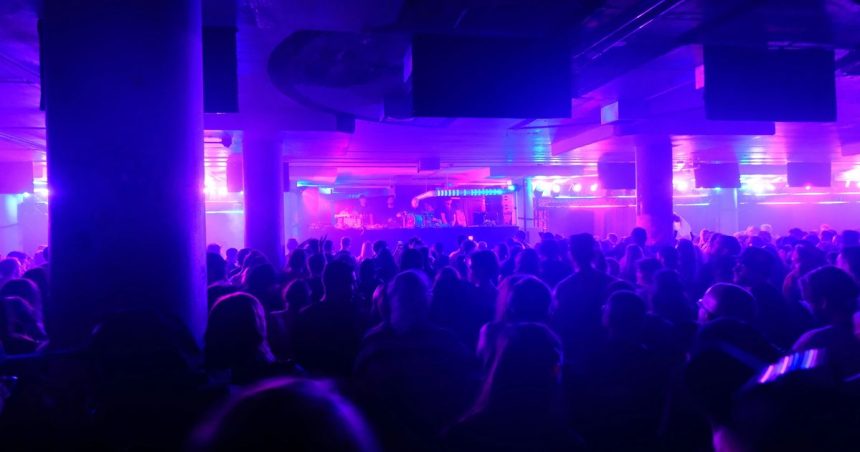
In terms of aesthetics, techno spaces are typically stark—highlighted by basic spotlights and neon fixtures in raw industrial settings. Events take place in warehouses, basements, and minimalistic environments that resonate with the underground vibe. This approach underscores an appreciation for form and function without embellishment.

In contrast, EDM showcases a plethora of vibrant lights and complex shapes that add layers of performance art to the experience. These festivals thrive in scenic locations like the woods of Rothbury, embracing a more nature-centric aesthetic that ties in with the kaleidoscopic visual themes.
This divergence continues into the types of substances that attendees often consume. At festivals like Electric Forest, there’s a tendency towards psychedelics and other substances aimed at expanding consciousness—mushrooms, LSD, and molly are among the favorites. These appeal to audiences seeking meaning and new experiences.
Conversely, techno revelers lean toward Adderall, nicotine, and meth—substances offering stamina for relentless dance routines until dawn. There’s also a market for ketamine, often favored by those opting to disconnect entirely from the need for external validation or meaning.
The perception of “cool” also varies dramatically between the two cultures. Techno is seen as the genre for the intellectual elite, the cultured and often understated, reflecting a post-modern acceptance of existentialist thought. Meanwhile, EDM is often labeled less intellectually rigorous, drawing a crowd that, while equally enthusiastic, may be seen as primarily seeking pleasure through colorful revelry.
While there’s undeniable overlap, these scenes each represent distinct cultural phenomena: techno appeals to an educated, globalized elite, while EDM tends to resonate with the broader working-class experience, encapsulating the struggles and joys of those involved in a rapidly changing society.
The beauty of music lies in its diversity. In America’s landscape, individuals are freely permitted to explore and embrace whichever festival or genre resonates more with them. However, one should be mindful of the cultural signifiers that accompany each scene: not every outfit or demeanor will fit in at the various gatherings that define these rich musical communities.