The Unsung Hero of Competitive Edge: Apparel in Winter Sports
As athletes gear up to vie for gold at the Winter Olympics, every aspect of their preparation is meticulously planned, with clothing emerging as a surprisingly critical element. Athletes are not just dressing for appearance; their attire is designed to maximize performance. Brooke Anderson, a textile engineer who has worked extensively in this field, emphasizes that each piece of clothing must meet specific performance requirements tailored to the athlete’s needs.
Understanding Athletic Movement and Mobility
Understanding the movements in each sport is essential for developing effective athletic apparel. Brooke Anderson, who contributed her expertise to Nike during the upcoming 2024 Paris Games, points out the importance of asking key questions: “What is the athlete doing? What mobility do they need in the garment?” These queries guide the design and material selection process, ensuring that every garment enhances rather than hinders the athlete’s performance.
The Balance of Warmth and Breathability
When we think of winter sports, the immediate concern might be staying warm. However, Anderson argues that it’s not just about insulating against the cold; effective moisture management is equally critical. “You have to consider how to move the sweat off their body because the second your clothes get wet, then you get cold,” she explains. This understanding leads to the innovation of materials that keep athletes comfortable and agile, facilitating optimal performance even in frigid temperatures.
Educational Frontiers in Textile Engineering
At the forefront of developing innovative sportswear is Emiel DenHartog, who leads the Textile Engineering program at NC State University. With a focus on practical applications, the program collaborates with leading companies like Under Armour to embrace cutting-edge technology. One intriguing tool in their lab is a sweating mannequin, which simulates how an athlete’s body heats up. This mannequin allows researchers and students to understand how different materials respond, enabling them to create garments that effectively manage body temperature and moisture levels.
Material Science: An Interdisciplinary Approach
Creating high-performance Olympic apparel requires a multi-faceted understanding of diverse factors. DenHartog elaborates on this by stating, “You need to know about materials, about construction, about the human and the environment.” This interdisciplinary approach merges science and design, ensuring that the final product is not only functional but also stylish and suitable for its sport.
The Aerodynamics of Speed Sports
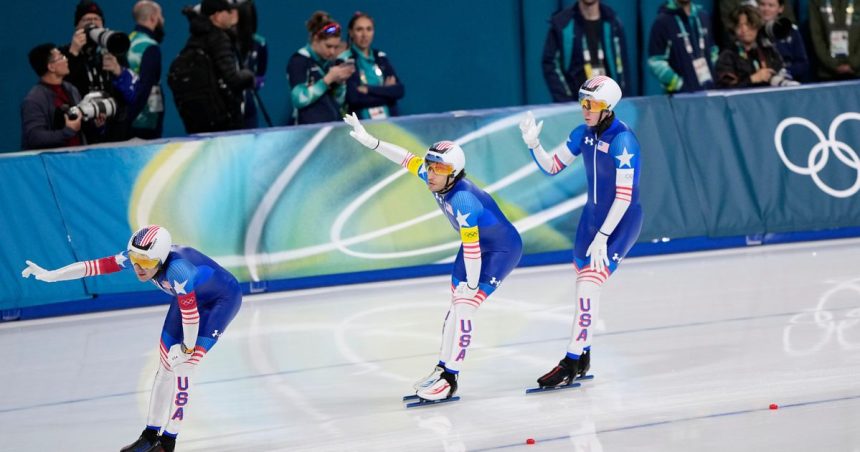
In winter sports, the need for specially engineered clothing varies greatly depending on the demands of the activity. DenHartog highlights the similarities between speed skating and downhill skiing despite their different aesthetics. Both sports require gear that minimizes aerodynamic drag and resistance. “Having a smooth surface that is highly engineered makes all the difference for them,” he says. In contrast, other winter sports may prioritize aesthetics and movement over sheer speed, leading to a diverse range of clothing designs tailored for each discipline.
The Art and Science of Performance Wear
The details found in athletes’ apparel during the Winter Olympics are more than just fabric; they embody months or even years of research and development. Athletes donning these intricate pieces of clothing stand as a testament to what occurs behind the scenes. When you see them on the podium, remember that their success is not solely attributed to their skill and training but also involves the advanced technology woven into their uniforms.
In essence, the clothing worn by athletes at the Winter Olympics represents a convergence of art, engineering, and sports science. While fans may primarily focus on the medals, these garments are integral to each athlete’s competitive journey, providing the vital support needed to reach peak performance.