Wildlife Communication: The Innovative Role of AI in Environmental Protection
In recent years, the intersection between technology and nature has sparked exciting advancements, particularly in wildlife conservation. A notable example is Flox Intelligence, a groundbreaking company headquartered in Syracuse, upstate New York, that is utilizing artificial intelligence (AI) to communicate with wildlife and steer them away from dangerous areas such as airports and railway tracks.
Understanding the Technology: The Flox Edge
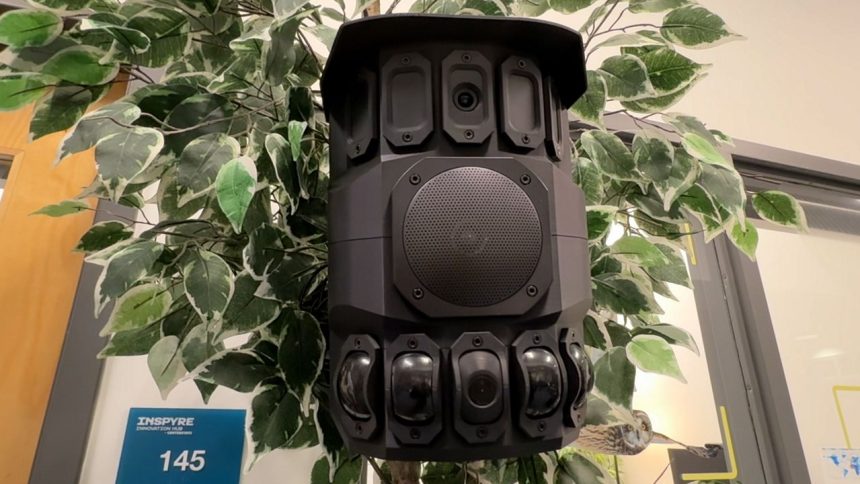
At the heart of Flox Intelligence’s operations is its innovative device known as the Flox Edge. This battery-operated unit employs AI to learn from each wildlife encounter, capturing vital data that enhances its future interactions. The device is engineered to produce species-specific sounds that communicate with animals, effectively guiding them away from high-risk zones without causing harm.
Sara Nozkova, CEO and co-founder of Flox Intelligence, emphasizes the significance of this technology. “Just in aviation, bird strikes in the U.S. are estimated to be a $10 billion problem yearly,” she states. With the increasing speed and reduced noise of modern aircraft and trains, wildlife is at greater risk than ever. Flox Edge aims to mitigate this issue by effectively acting as a liaison between humans and wildlife.
Addressing Wildlife Risks: Key Applications
The utility of Flox Edge extends beyond aviation safety. The device has also been implemented in agricultural settings to protect crops. By broadcasting warning calls that are specific to certain animal species, farmers can deter creatures like elk that might otherwise ravage their fields. Nozkova shares a compelling success story of a farmer in Washington state who, unlike his neighbors facing significant crop damage due to elk, reported zero losses throughout the entire season thanks to the Flox Edge.
This dual functionality—enhancing safety in urban areas while protecting agricultural interests—showcases the versatility of the technology, making it a valuable tool for both environmental and economic benefits.
Expanding Global Reach
Flox Intelligence isn’t just making waves in the U.S.; the company has garnered attention globally. Notably, the Swedish Transport Administration has utilized their technology to help deter wildlife from critical infrastructure sites for a number of years. This international application reflects the adaptability and widespread appeal of the Flox Edge system.
To further its expansion, Flox Intelligence recently secured $3 million in funding. This capital is intended to accelerate deployment across North America and engage with various stakeholders who share a commitment to wildlife conservation.
The Cost of Conservation
The Flox Edge device is priced at $3,500, which includes a subscription for the first year. After this initial period, the subscription cost is set at $500 annually or $50 monthly per unit. While the investment may seem considerable, the potential savings derived from preventing wildlife-related accidents and protecting crops can be substantial.
Community and Innovation: A Unique Challenge
Flox Intelligence’s journey has been supported by programs such as the Genius New York initiative, which is designed to nurture startups and scale-ups. Notably, Flox was the only non-U.S. company admitted to this cohort, which adds a unique dimension to its story.
Impact on Wildlife: Results and Future Plans
According to Nozkova, an estimated 60,000 animals have been successfully deterred from risky environments thanks to their technology. This figure highlights the positive impact that targeted, AI-driven interventions can have on wildlife management.
The groundwork laid by Flox Intelligence suggests a promising future in which technology not only mitigates human-wildlife conflicts but also fosters a better understanding of how we can coexist with nature. By speaking the language of wildlife through innovative technology, Flox Intelligence is pioneering a new approach to environmental stewardship, one AI-enabled interaction at a time.