The Week in Technology: Innovations Emerging from March 2-6, 2026
The aerospace sector is brimming with groundbreaking technologies and advancements. This period highlighted crucial developments that not only enhance the industry but also pave the way for a transformative future. Let’s dive into three pivotal innovations that dominated discussions this week: self-healing composites, a supercooled-droplet icing detector, and new flight rules for advanced air mobility (AAM).
The Marvel of Self-Healing Composites
One of the most fascinating advancements in materials science is the emergence of self-healing composites. Imagine a material that can repair itself after sustaining damage—this technology could drastically reduce maintenance costs and improve aircraft safety.
Self-healing composites utilize advanced techniques that allow them to detect microscale fractures and initiate a repair process autonomously. Researchers are exploring various mechanisms for these materials, including capsules filled with healing agents and dynamic covalent bonds that realign to fill gaps and restore structural integrity. This innovation could redefine the lifespan of aerospace components, ensuring that aircraft remain operational for longer periods without extensive repairs.
Supercooled-Droplet Icing Detector: A Game Changer in Flight Safety
Flight safety is paramount in aviation, and icing conditions present a significant challenge. The introduction of a supercooled-droplet icing detector marks a significant leap forward in this field. Traditional icing detection systems have limitations, often failing to detect smaller droplets that can form hazardous ice layers on wings.
The new detector employs advanced sensors that can identify supercooled droplets even in low-visibility conditions. By providing real-time data, pilots can make proactive decisions to alter flight paths or adjust altitudes to avoid icy conditions. This development not only enhances safety but also contributes to smoother operations, minimizing the risk of in-flight emergencies and costly delays.
New Flight Rules for Advanced Air Mobility
As the aerospace industry gears up for the widespread adoption of advanced air mobility, new flight rules are essential for safely integrating these innovative aircraft into existing airspace systems. Companies like Electra.aero, which specializes in hybrid-electric aircraft, are at the forefront of proposing regulations that tailor to unique aircraft configurations and operational capabilities.
The proposed flight rules aim to provide clear guidelines for urban air mobility, including route planning, altitude restrictions, and traffic management strategies. The goal is to create a framework that allows for scalable integration while ensuring public safety and minimizing noise pollution—a particularly important consideration for urban operations. With AAM poised to transform urban transport, creating an efficient regulatory environment is crucial for fostering innovation and public acceptance.
The Role of Hybrid-Electric Aircraft
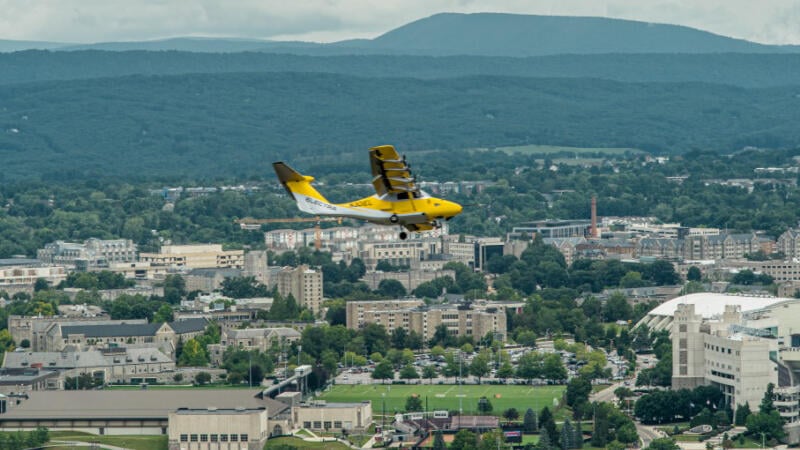
Electra.aero’s recent flight tests of its hybrid-electric EL2 ultra-short-takeoff-and-landing (eSTOL) demonstrator exemplify the direction in which the industry is heading. The EL2 is designed for versatility, capable of operating in various environments—from urban settings to rural areas—while maintaining eco-friendly standards.
This hybrid-electric system pairs traditional combustion engines with electric propulsion, resulting in reduced emissions and noise. This is particularly important as urban air mobility systems must blend seamlessly into existing transportation networks without contributing to environmental degradation or increased traffic congestion.
Conclusion
As we reflect on the innovations of early March 2026, we see a rich tapestry of advancements that promise to redefine aerospace technology. From materials that heal themselves to sophisticated icing detection systems and the establishment of novel flight regulations for AAM, these developments are not just incremental; they represent a leap into a future where safety, efficiency, and sustainability are balanced. The aviation landscape is evolving more rapidly than ever, and these technologies are at the helm guiding the industry forward.