
New Order: From Tragedy to Transcendence in Electronic Dance Music
A Transformative Emergence
New Order is arguably one of the most foundational bands to emerge in the wake of tragedy, crafting a sound that turned post-punk despair into pioneering electronic dance music. Formed in 1980 by surviving members Bernard Sumner, Peter Hook, and Stephen Morris, and later joined by Gillian Gilbert, New Order infused the gritty heart of Manchester’s industrial landscape with innovative synthesizers and infectious grooves. Their music carved out a critical space that offered both a sanctuary for underground club culture and a foothold in the mainstream charts.
Timeless Appeal for Young Audiences
For young listeners in North America, New Order remains a staple on playlists, embodying a vibe that resonates from late-night drives to high-energy warehouse raves. With tracks like “Blue Monday”—not just a signature song but also the best-selling 12-inch single of all time—their influence is woven deeply into the fabric of American dance culture. The track’s punchy beats and haunting melodies continue to electrify dancefloors, impacting artists ranging from The Killers to contemporary EDM heavyweights. Their presence on platforms like Spotify and TikTok is colossal, particularly among Gen Z, as remixes keep their legacy alive for a new generation.
The Journey of Reinvention
Born in the shadow of Ian Curtis’s death, the surviving members of Joy Division did more than just carry on; they transformed themselves and the musical landscape. Their debut album, Movement (1981), was tinged with the same darkness that characterized Joy Division. However, by the time Power, Corruption & Lies (1983) surfaced, they had fully embraced an exuberant sound that epitomized the 80s New Wave movement in America.
Relevance in Modern Culture
New Order’s sound anticipated the electronic revolution, cementing their relevance in today’s streaming culture. With over 300 million Spotify streams for “Blue Monday” alone, they serve as a critical entry point into the evolution of post-punk into dance music. For North American fans, this transformation parallels the development of the alt-rock and EDM genres, which dominate music festivals like Coachella and the playlists of college radio stations.
The cultural ripple effects of their work are profound, seen in various media such as the film 24 Hour Party People, which chronicles the Manchester scene, and cover versions by modern acts like LCD Soundsystem. Their DIY ethos resonates with the current landscape of creators building communities online, particularly within the viral framework of platforms like TikTok.
A Sound Defining Generations
New Order is often credited with pioneering the blending of guitars and synthesizers, a sound that influenced a slew of artists from Depeche Mode to The Chemical Brothers. This unique hybrid helped to define 80s MTV, opening the door for electronica to gain mainstream traction.
Streaming Success Today
Albums such as Technique (1989) still dominate algorithmic playlists, exposing new audiences to their groundbreaking sound. Data from North America shows that their streaming numbers tend to spike during festival seasons, linking their rich legacy directly to live music culture.
Defining Songs and Albums
“Blue Monday” stands out as New Order’s crowning achievement—a seven-minute disco-punk anthem that revolutionized dance music. Its cold, mechanical beats and Peter Hook’s iconic bassline permeated US clubs and have remained a favorite in remix culture.
The album Power, Corruption & Lies produced “Age of Consent,” which melded soaring guitar riffs with the emotional weight of young love—making it a go-to track for new listeners. Other essential songs include “Bizarre Love Triangle” (1986), “True Faith,” and “Regret,” all of which highlight their range and evolution.
Noteworthy albums include Low-Life (1985), showcasing their experimental side, and Music Complete (2015), demonstrating their ability to stay relevant with contributions from contemporary artists like La Roux and Iggy Pop.
Live Performances that Made History
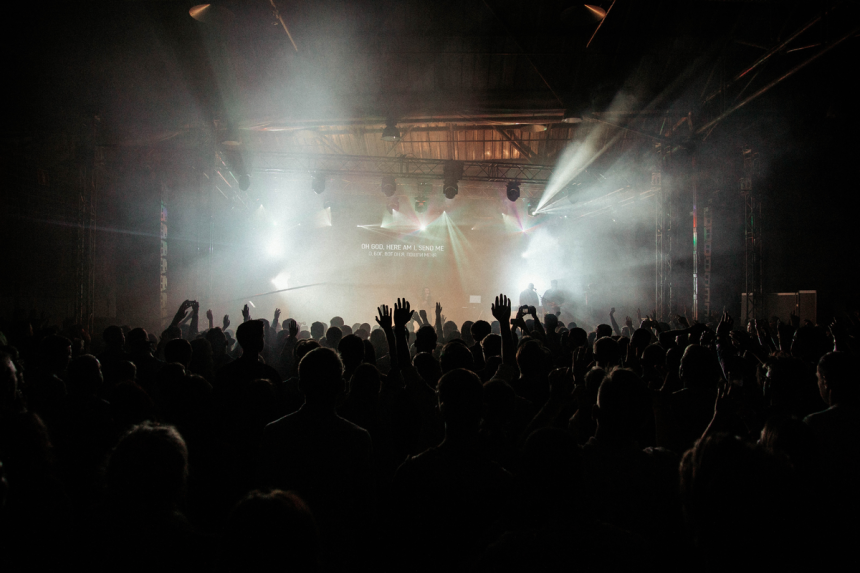
New Order’s sets at Glastonbury and their residency at the Haçienda nightclub have earned legendary status, exemplified by sold-out tours in North America, where venues like Roseland in NYC thrummed with their electric sound.
Chart and Cultural Milestones
They achieved multiple UK No.1 hits and collected significant US dance accolades, with “Blue Monday” serving as a timeless classic reissued multiple times. Their 2002 reunion gig at Bowdon Assembly Hall sparked a revival, captivating a new generation of fans.
Connection to North American Fans
New Order’s arrival in the U.S. during the 80s coincided with the rise of alternative music, actively influencing college radio and nightlife across cities like Los Angeles and Chicago. Their narrative of the Haçienda Club—the rise and subsequent fall of Manchester’s rave scene—echoes in today’s American warehouse parties facing gentrification challenges.
For younger listeners, the band’s distinct blend of sleek synthesizers and emotional depth resonates with contemporary artists such as The 1975 and Caribou. Viral TikTok trends help breathe new life into their music, introducing a fresh audience to their iconic sound.
The Legacy of Fashion and Visuals
Their stark, geometric visuals have also found a place in the fashion world, influencing streetwear trends across urban centers like Brooklyn and Toronto. The minimalist aesthetics captured in album covers, particularly in Power, Corruption & Lies, remain fixtures in art and design discussions in schools and galleries.
Listening and Viewing Recommendations
To dive into New Order’s expansive repertoire, start with the compilation Substance (1987) for all their hits in one collection. Explore “Blue Monday” remixes to feel the dance magic, or listen to Music Complete for a taste of their modern sound.
For visual storytelling, check out the documentary New Order: Decades (2020) for insight into their journey and rare footage. Additionally, 24 Hour Party People captures the visceral chaos of the Haçienda scene.
Engaging with the Community
Engage with their music on Spotify through playlists like “Post-Punk Essentials,” or follow fan edits on TikTok for a blend of nostalgia and modern creativity. Live archival performances on YouTube, particularly from the 1984 NYC gigs, boast the raw energy that defined their sound in a live setting.
Exploring Modern and Deep Connections
For a deeper exploration, track the influences of New Order in contemporary music. M83’s sampling and The Killers’ homage to Sumner showcases their lasting impact. Their tours in North America during the 2000s solidified their status as legends, turning past glories into current triumphs.
The band has maintained a remarkable output over four decades. Side projects featuring members, such as Electronic and Revenge, ensure that their creative flame never dims. For young North American fans, New Order serves as a bridge that connects 80s nostalgia with the pulsating rhythms of modern electronica.
In Summary
New Order’s narrative—spanning loss, reinvention, and innovation—provides a rich tapestry of music that continues to resonate across generations. From warehouse parties to streaming playlists, their music invites ongoing exploration. As cultural lives shift, so too does their iconic status—keeping them woven into the fabric of contemporary soundscapes, always ready for a new generation to discover and appreciate.