
New Order: From Tragedy to Triumph in Electronic Music
New Order, formed in the aftermath of Joy Division, has a unique legacy that transforms the raw angst of post-punk into a vibrant electronic dance music ethos. With surviving members Bernard Sumner, Peter Hook, Stephen Morris, and later Gillian Gilbert, the band coalesced in 1980, harnessing the industrial grit of Manchester to create a soundscape that seamlessly merged synth-driven grooves with profound emotional depth. Their music is synonymous with late-night drives and euphoric warehouse raves, echoing through playlists and festival grounds worldwide.
- The Resilience Born from Loss
- Relevance in Contemporary Culture
- The Synth-Punk Bridge
- Streaming Dominance Today
- Defining Songs, Albums, and Moments
- Iconic Live Moments
- Appeal and Significance for North American Fans
- From 80s Clubs to Streaming Wars
- Fashion and Visual Legacy
- What to Listen to, Watch, or Follow Next
- Modern Connections
- Deep Cuts for Devotees
The Resilience Born from Loss
Emerging from the shadow of Ian Curtis’s tragic death, New Order didn’t merely survive; they redefined their artistic vision. Their debut album, Movement (1981), retained echoes of Joy Division’s darkness but set the stage for transformation. By the time they released Power, Corruption & Lies (1983), their sound evolved significantly—paving the way for euphoric hits that became emblematic of the New Wave explosion in America.
Relevance in Contemporary Culture
The landscape of music today owes much to New Order. Their pioneering sound anticipated the electronic music revolution, making them invaluable in a world dominated by streaming culture. For young listeners in North America, their work is pivotal in understanding the evolution of post-punk into the dance floors that define the modern music scene. With over 300 million Spotify streams for ‘Blue Monday’ alone, their influence on current music is apparent—from the alternative rock revivalism of The Killers to the realm of contemporary EDM artists.
Cultural touchstones like the film 24 Hour Party People highlight their legacy, while artists such as LCD Soundsystem honor their sound through covers and samples. In a world where DIY standards reign, their ethos resonates with those navigating the modern creator economy, underscoring their relevance even as the music industry evolves.
The Synth-Punk Bridge
New Order stands as a pioneer in melding guitars with synthesizers, crafting a hybrid sound that influenced a swath of artists from Depeche Mode to The Chemical Brothers. This fusion was essential during the ’80s when MTV showcased music videos that highlighted their innovative approach. It was a seismic shift that would shape the trajectory of music in the ensuing decades.
Streaming Dominance Today
Their continued relevance manifests in numbers: albums like Technique (1989) feature prominently in algorithm-driven playlists, generating interest among new listeners. North American data indicates spikes in streaming activity, particularly during festival seasons, which amplifies their iconic live presence and secures their place in contemporary musical culture.
Defining Songs, Albums, and Moments
‘Blue Monday,’ released in 1983, remains a hallmark of New Order’s sound—a disco-punk epic that revolutionized club culture with cold, mechanical beats expertly paired with Peter Hook’s signature bassline. The track’s impact has been profound, reportedly becoming the best-selling 12-inch single of all time.
Another defining track, ‘Age of Consent’ from Power, Corruption & Lies, captures the urgency of love, serving as an entry point for newcomers and encapsulating the urgency that makes New Order’s music timeless. Other must-listens include ‘Bizarre Love Triangle,’ a bittersweet synth-pop staple, and ‘True Faith,’ complemented by a hypnotic video that captures the essence of the ’80s.
Key albums like Low-Life (1985) and Music Complete (2015) showcase New Order’s continuous evolution, with the latter bridging several decades through collaborative efforts with La Roux and Iggy Pop.
Iconic Live Moments
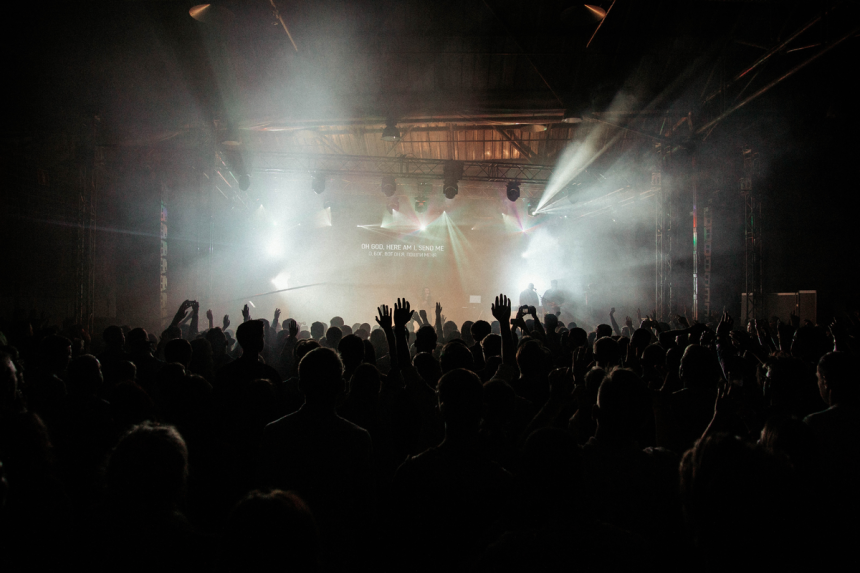
The band’s live performances, particularly their legendary sets at Glastonbury and residencies at the Haçienda, have solidified New Order’s status as icons in live music culture. Their curated tours through North America in the ’80s brought their scintillating performances to intimate venues like NYC’s Roseland, imprinting their legacy on the minds of fans.
Appeal and Significance for North American Fans
New Order debuted in the U.S. during the height of the alt-rock explosion of the ’80s, injecting life into college radio stations and underground clubs ranging from Los Angeles to Chicago. The Haçienda story, which chronicles the rise and fall of Manchester’s rave scene, resonates deeply with U.S. warehouse party organizers grappling with gentrification struggles.
For the 18-29 demographic, the band’s blend of sleek synths and emotional storytelling parallels modern acts like The 1975 and Caribou. TikTok trends featuring their samples have introduced their music to Gen Z audiences, creating viral moments that encourage a new wave of streaming activity across the U.S. and Canada.
From 80s Clubs to Streaming Wars
As ‘Blue Monday’ became a soundtrack for early U.S. raves, its legacy now ties into today’s sprawling EDM festivals. Spotify trends chronicle young users’ love for New Order, frequently highlighting their tracks in annual wrapped playlists, demonstrating how deeply embedded they are in the cultural zeitgeist.
Fashion and Visual Legacy
The band’s stark, geometric visuals have not only influenced music videos and fashion but persist in impacting streetwear brands across cities like Brooklyn and Toronto. This intersection of punk style and electronic futurism continues to inspire modern aesthetics.
What to Listen to, Watch, or Follow Next
For those newly discovering their music, the Substance compilation (1987) serves as an ideal starting point, showcasing all their hits in one concise collection. Explore Blue Monday remixes to feel the energy of the clubs or dive into Music Complete for a contemporary vibe.
For a deeper understanding of the band’s history, watch the documentary New Order: Decades (2020), which captures their journey through rare footage. Additionally, the film 24 Hour Party People brings the Haçienda chaos to life, providing context to their musical milieu.
Spotify playlists like “Post-Punk Essentials” and TikTok channels dedicated to fan edits will keep you connected to a community of enthusiasts who continue to explore New Order’s extensive discography. Archive footage from live shows on platforms such as YouTube encapsulates the raw energy of their performances throughout the decades.
Modern Connections
Current artists like M83 incorporate New Order’s influences into their sound, while The Killers specifically cite Sumner as a significant inspiration. Those interested in live music should note the resurgence of synthwave tours that echo New Order’s sonic blueprint, encapsulating their timeless influence.
Deep Cuts for Devotees
For true fans, tracks like ‘Dreams Never End’ from Movement and ‘Round & Round,’ a notable B-side, offer hidden gems that embody the essence of the band.
Peter Hook’s memoir, Unknown Pleasures, provides insider stories that enrich the narrative of New Order’s trajectory, while Sumner’s solo project, Electronic, expands the band’s influence further. Gillian Gilbert’s recent contributions reaffirm the band’s enduring chemistry, demonstrating that their creativity knows no bounds.
New Order’s output spans over 40 years, with side projects such as Electronic and Revenge contributing to a rich legacy. Their music serves as a bridge for young North Americans, linking 80s nostalgia to contemporary electronic sounds, making each listen an engaging conversation starter.
In a digital age dominated by quick interactions, the complex layers of their music invite deeper exploration. Whether through remixes on social media or spirited debates in online forums, New Order cultivates a robust, vibrant community across North America.
Their story of resilience—from the devastating loss of Ian Curtis to the rise and fall of iconic venues like the Haçienda—remains a source of inspiration. Streaming democratizes access to their catalog, enabling fans from Seattle to Miami to curate their experiences with New Order’s transformative music.
Ultimately, their evolution—from stark black-and-white visuals to vibrant neon aesthetics—mirrors the continued growth of club culture. The minimalistic yet impactful album cover designs, like the celebrated homage to Magritte in Power, Corruption & Lies, are staples in both musical and art communities.
Lyrically, Sumner’s abstract poetry provides a contrast to Curtis’s heavier emotional themes, weaving stories of hope amidst uncertainty, which resonates with today’s youth navigating similar challenges.
Collaborative innovations with artists like John Frusciante highlight their cross-generational appeal, while North American tours in the 2000s further cemented their legendary status as live performers.
As the music industry navigates its fluctuating landscape, New Order’s production techniques—developed under Factory Records’ independent model—set the stage for countless indie labels thriving today. Their narrative fuels various podcasts dedicated to dissecting pivotal moments in the music business.
For those keen on the intersection of genre, Hook’s melodic bass style has influenced hip-hop producers sampling the post-punk sound, merging genres in exciting new ways. Dance tutorials on YouTube reveal the choreography of ‘Blue Monday,’ keeping the dancefloor spirit alive for new generations.
Environmental themes in their later works align with activist youth movements, linking Manchester’s musical legacy to climate awareness. Fan art integrates retro aesthetics with cutting-edge AI creativity, showcasing a blend of old and new influences in the artistic space.
Record Store Days feature the reissue of their classic vinyl, drawing young collectors and appreciators into a world of musical history. Podcast discussions continue to unpack the essence of the Haçienda and its impact on U.S. rave culture, ensuring that the legacy of New Order remains vibrant and engaging for years to come.
This duality—where punk fury meets disco joy, and alienation intertwines with ecstasy—ensures that New Order’s music remains timeless, echoing not just from Toronto lofts to LA poolsides, but in the heartbeats of music lovers everywhere.



