Coachella 2023: An Electronic Evolution
From the iconic Fatboy Slim to the rising beats of Australia’s Ninajirachi, the 2023 Coachella music festival showcased a remarkable trend: nearly half of its lineup was devoted to electronic artists. This evolution in programming marks a significant shift for a festival long celebrated for its rock-centric roots.
A Shift in Headlining Acts
Headlining this year’s event were notable figures like Sabrina Carpenter, Justin Bieber, and Karol G, alongside the robust electronic presence that has taken the festival by storm. Swedish DJ Adam Beyer highlighted this transformation, stating, “Much of it is so much more accessible.” The blend of pop and electronic sounds has made these genres more visible and integrated than ever before.
Premiering New Heights
One of the most anticipated moments of the festival was the debut of Anyma’s “ÆDEN” show, which graced the main stage after being postponed the week prior due to high winds. Festival-goers were particularly thrilled by these immersive experiences, with attendees like John Good commenting on the exhilarating atmosphere, saying, “It’s like… a rave after another.”
The second day featured a standout performance from Beyer alongside trance legend Armin van Buuren, who has played a crucial role in making trance music accessible to a broader audience.
The Broad Spectrum of Electronic Music
Van Buuren remarked on the expansive nature of electronic music today. “The term is now so broad,” he explained, noting how tracks from mainstream artists, including Sabrina Carpenter, now frequently incorporate electronic elements. This incorporation of electronic sounds across various genres reflects a growing trend where the lines between traditional and electronic music continue to blur.
This evolution indicates a broader shift in listening habits; as van Buuren pointed out, younger audiences are less inclined to categorize music strictly by genre. Instead, they are drawn to the mood and energy that different tracks provide. “It’s more about mood, energy, and context,” he said, emphasizing the immersive experience of electronic music at festivals.
Immersive Festival Experiences
Festivals like Coachella have increasingly become immersive environments where electronic music thrives. According to van Buuren, “Festivals and large-scale shows have become more immersive and experience-driven.” The physical and emotional nature of electronic performances makes them ideally suited for such settings, enhancing the connection between the artists and the audience.
The Sahara Tent: A Hub for Electronic Diversity
Coachella’s Sahara tent has solidified itself as a dedicated stage for electronic music, featuring a diverse array of DJs spanning various subgenres. Brazilian DJ Mochakk, who described his Coachella debut as his “biggest gig to date,” shared his thoughts on the genre’s cyclical nature. “Music always goes in cycles,” he noted, highlighting how the fusion of old and new in electronic music resonates with audiences worldwide.
The unpredictability within sets keeps the energy alive, further contributing to its growing popularity. “You can blend so many genres in one set,” Mochakk explained, allowing for a dynamic range that captivates listeners.
Cultural Infusions: Techno-Flamenco
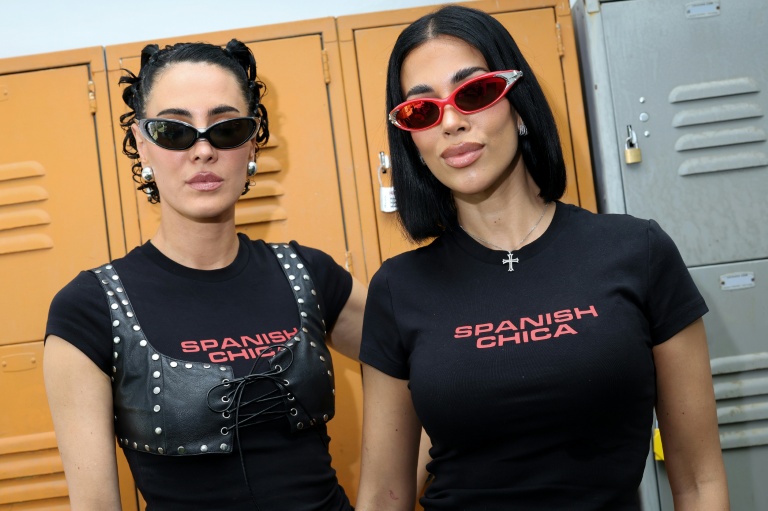
Another engaging facet of this year’s festival was the duo MESTIZA, which consists of Spanish artists Pitty Bernad and Belah. They performed a unique set that fused electronic music with flamenco elements, showcasing how the genre transcends cultural boundaries. Belah expressed the universal appeal of electric music, stating, “It has no borders.”
Pitty echoed this sentiment, noting the dramatic evolution of electronic music over the years. “Giving rise, for example, to this Coachella lineup,” she remarked, indicating a growing appreciation for diverse influences within the electronic sphere.
The Future of Electronic Music
As electronic music continues to rise in prominence, its presence at major festivals like Coachella serves as a testament to its evolving landscape. The blend of established artists and newcomers, along with varied performances that draw from global influences, paints a vibrant picture of the modern musical experience.
In this dynamic environment, electronic music is not just a subgenre — it has become a central narrative in the ongoing evolution of contemporary music culture. Whether it’s through immersive experiences, genre-blending collaborations, or boundary-defying acts, the future of electronic music looks brighter than ever.