Barn Radio: A Beacon of Inclusive Nightlife in Portland
Nestled modestly on SW First Avenue, Barn Radio has emerged as a vibrant hub for Portland’s electronic music scene since its inception in 2023. As the fog drifts from its unassuming storefront, it beckons a diverse crowd eager to experience a nightlife that celebrates the genre’s Black roots. Jasmine Beach, stationed at the door in her signature Kangol hat and tinted glasses, is more than just the gatekeeper; she is a testament to the ethos the club embodies.
- Barn Radio: A Beacon of Inclusive Nightlife in Portland
- A Space for the Underserved: Addressing Historical Imbalances
- The Genesis of Barn Radio: From Snowstorm to Sensation
- Dual Leadership: The Dynamic Partnership of Beach and Johnson
- Evolving the Nightlife Landscape of Portland
- Celebrating Roots and Community
- A Platform for Experimentation
- Embracing Connectivity Amidst Diversity
- The Rising Scene: Connection Through Nightlife
- Staying True to the Roots of Electronic Music
A Space for the Underserved: Addressing Historical Imbalances
Beach emphasizes the historical dominance of white men in the electronic music industry, where venue ownership and promotional power skew heavily in one direction. “Even when they would open the door to other identities,” she notes, “it wasn’t kept open.” Inspired by this long-standing imbalance, Barn Radio stands as a fresh alternative, looking to not just invite but also empower marginalized communities. Beach draws upon her own experiences post-pandemic, where she witnessed opportunities dwindling and understood the urgent need for spaces that prioritize inclusivity and diverse representation.
The Genesis of Barn Radio: From Snowstorm to Sensation
The genesis of Barn Radio was unassuming yet serendipitous. Cole Mitchell Johnson, initially a graphic designer, rented speakers for a client party that was halted by bad weather. Rather than spending the evening alone, he decided to throw a last-minute gathering for friends. That impromptu celebration sparked the birth of Barn Radio—a reaction to the void left by other venues that had closed during the pandemic. Since its founding, it has hosted over 130 parties and artists from at least 30 countries, an ambitious endeavor that exceeded initial expectations.
Dual Leadership: The Dynamic Partnership of Beach and Johnson
As co-directors, Beach and Johnson each bring unique strengths to Barn Radio. Beach’s presence at the door sets a welcoming tone for all attendees, while Johnson’s artistic sensibility and curation guide the venue’s overall atmosphere. His glitchy, text-based posters provide a visual representation of each visiting DJ, embodying the club’s identity and creating a sense of excitement for the music experience.
Evolving the Nightlife Landscape of Portland
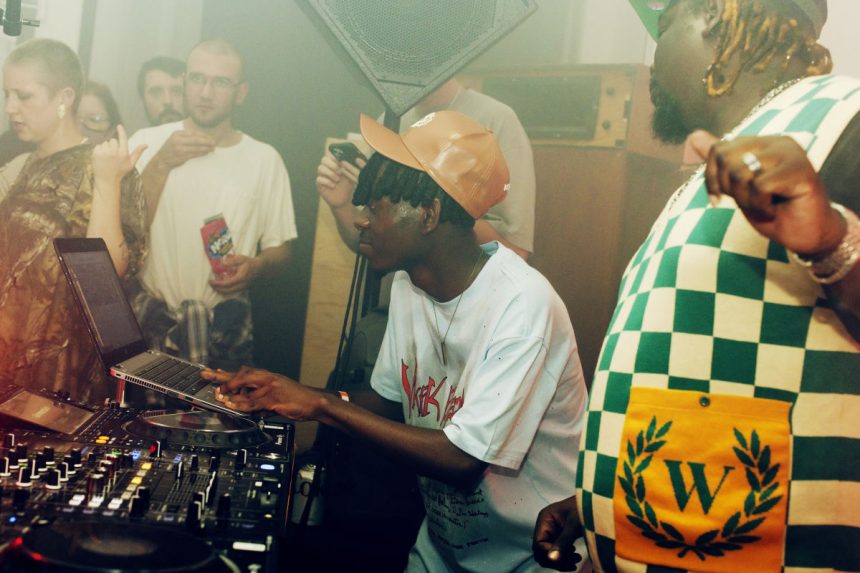
Before Barn Radio, nightlife options in the area were characterized by frequent closures and an inability to adapt to changing tastes. The lanes were crowded with short-lived venues that often lacked a true connection to community and culture. This inconsistency reflects Portland’s ongoing struggle with identity, yet Barn Radio emerges as a beacon, experimental and rooted in its mission. Its ad hoc appearance—a modest Ikea DJ booth and makeshift sound system—mirrors the scrappy roots of the electronic genre.
Celebrating Roots and Community
The music lineup at Barn Radio reflects the expansive lineage of electronic music, often tracing back to trailblazing Black artists from Chicago and Detroit. DJ Travella, a notable figure in Tanzania’s singeli dance music, exemplifies the infusion of global sounds into Portland’s landscape. With a rhythm that pulses between 200 to 300 BPM, Travella’s music encapsulates the vitality of this genre, illustrating how Barn Radio connects local audiences with global rhythms.
A Platform for Experimentation
Unlike conventional nightclubs that often impose strict boundaries on performers, Barn Radio champions creative freedom. As highlighted by DJ Atsushi Maeda, who frequently plays at the venue, the club offers a nurturing space for artists to experiment without the typical constraints of tempo and genre. This approach fosters an environment rich in diversity, where contextual understanding and musical lineage are celebrated.
Embracing Connectivity Amidst Diversity
The textures of Barn Radio create a tapestry where attendees feel a sense of belonging, often seeking alternatives to Portland’s sometimes monotonous nightlife. Tati Frambach, originally from Brazil, finds solace in the diverse set lists that feel like home away from home. This shared experience uniquely positions Barn Radio as a community space rather than a mere nightclub, engaging its patrons in meaningful ways.
The Rising Scene: Connection Through Nightlife
As Portland embraces a more vibrant nightlife, Barn Radio is paving the way for other venues that aim for inclusivity and diversity. Clubs like Process, which opened in 2024, mirror this spirit and advocate for a nightlife experience that feels alive and resonant. The shift in Portland’s nightlife reflects a broader movement; from a once lagging scene to a blossoming environment, interested artists are more frequently making it a tour stop.
Staying True to the Roots of Electronic Music
Omari Jazz, a local producer, emphasizes the importance of storytelling in music. Within the eclectic setup, attendees can trace electronic music’s rich history while enjoying contemporary sounds, reinforcing a cultural connection that transcends geographic boundaries.
Barn Radio has not just filled a void; it has carved a niche that amplifies voices historically sidelined within electronic music. By offering a space that fosters inclusivity and promotes artistic exploration, Barn Radio is redefining what nightlife can be in Portland—and beyond. The crowd, diverse and alive, dances to the rhythms that echo not only through the speakers but through the very fabric of community itself.