
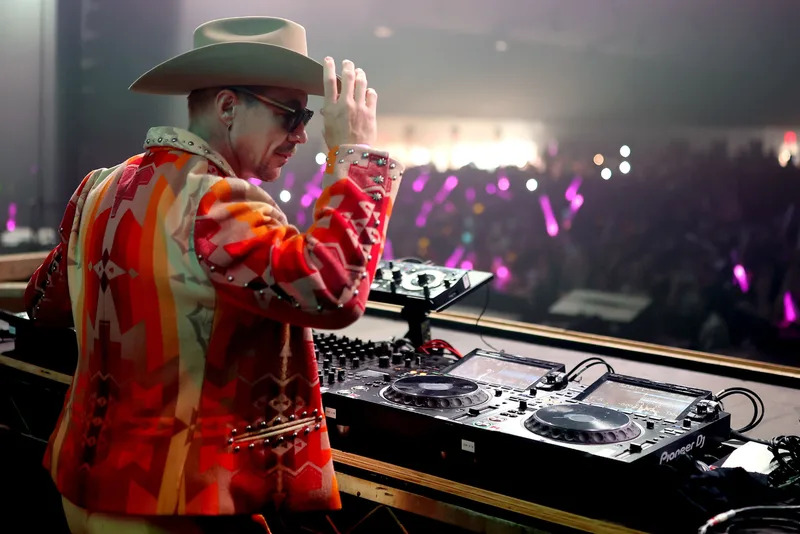
Country Music’s Dance with Electronic Beats: An Emerging Trend
While traditional country music—with its fiddles and steel guitars—continues to hold its ground, a new trend is captivating ears across Nashville: the flirtation of country music with electronic dance music (EDM). This unexpected combination is changing the landscape of the genre, embracing a fresh sound that resonates with both millennials and the electronic music crowd.
What Is Country Electronic Dance Music?
Country Electronic Dance Music isn’t just about blending two genres; it’s an evolution that invites experimentation. While the foundational ethos of country—“three chords and the truth”—remains sacrosanct, artists are exploring richer sonic textures. This isn’t an entirely new concept; in fact, country music has a history of bending to different influences.
The past decade has seen country artists like Morgan Wallen deftly weave in trap beats, but the current wave seems more direct. EDM DJs are taking notice of the genre’s rising popularity and diving into country-infused soundscapes. Festivals like Stagecoach have highlighted this shift, with DJ Diplo curating a Honky Tonk stage where electronic remixes of country classics create a lively atmosphere, providing a taste of what this musical mashup can offer.
Country Music’s History With Electronic Dance Music
The notion that country and dance music could harmonize isn’t as far-fetched as it seems. In 1994, the Rednex turned the traditional folk song “Cotton-Eyed Joe” into a dance sensation, showcasing the infectious potential of merging these worlds. It’s a phenomenon that still captures youthful exuberance today.
Fast-forward to the 21st century, remixes of country tracks have begun to flourish in the EDM scene. Producers have entered the Nashville arena, eager to experiment with the genre. One standout is Diplo, who embraced country music with his project Chapter 1: Snake Oil in 2020. The album features collaborations with heavyweights like Thomas Rhett and Zac Brown, showcasing a more deliberate integration of country sensibilities within electronic frameworks.
Figures like Avicii have also contributed to this crossover, with hits such as “Hey Brother,” and Tiësto partnered with up-and-coming artists like Alana Springsteen, delivering tracks that capture the best of both worlds. Marshmello has been equally prolific in this arena, collaborating with Kane Brown on “Miles On It” and Thomas Rhett for “Where We Go.” Even emerging artists are getting in on the action; the duo Two Friends recently teamed up with Dustin Lynch on a dance track titled “Save a Little Love,” and they’re spearheading a country-EDM festival in Nashville this December.
Will Country EDM Become a New Genre?
The short answer remains no. The uniqueness of both genres keeps them distinct. Country music thrives on its heartfelt storytelling, while EDM thrives on beats that move bodies. However, the exploration of these crossovers allows artists from both fields to experiment and learn from one another. Much like the rock, hip-hop, and pop artists who have ventured into country territory, this budding relationship enriches the country music narrative.
For fans who appreciate the twang of a heartfelt ballad as much as a pulsing EDM anthem, this blend can be likened to sweet tea and bourbon—not a daily drinker, but a delightful treat when the mood strikes. The expansion of the genre through electronic influences invites a new audience to experience country music, bridging gaps and fostering acceptance of diverse musical tastes.
As these genres continue to dance around each other, it’s clear that the future of country music may incorporate unexpected elements, delighting listeners who are eager for something fresh and engaging.



