
The Birth and Evolution of Dubstep: From Dark Rooms to Global Stages
By the turn of the millennium, British electronic music found itself navigating a transformative period marked by significant growth and experimentation. The once-vibrant jungle and drum’n’bass scenes of the 1990s began to wane, leaving a vacuum for something fresh and innovative. Garage music, having migrated from the underground depths to mainstream commercial success, sparked a re-evaluation of dance music’s core elements. In this shifting landscape, a small cohort of artists based in London, Croydon, and Essex began to coalesce around a radical new concept. Moving away from frenetic beats and the hard partying ethos that defined their predecessors, they aimed to distill music to its essence—focusing on bass, space, and togetherness. Thus, dubstep was born.
The DMZ Collective: A Force of Change
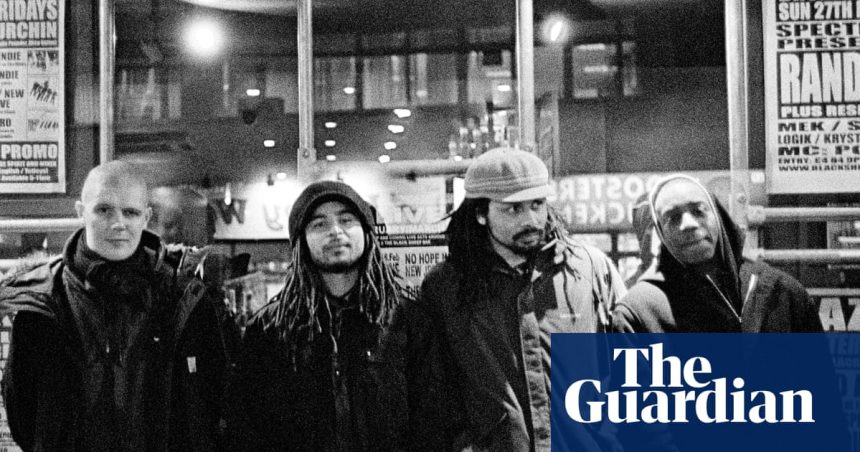
As we approach the 25th anniversary of dubstep’s inception, the genre has been documented in depth through various narratives, including the book Aftershock: The Seismic Impact of Dubstep. Chronicled as an oral history, this work captures the voices of 28 artists and key figures integral to the dubstep movement. Among these voices, the DMZ collective, comprising prominent south London artists Mala, Coki, Loefah, and MC Sgt Pokes, emerges as a key player. Known for its anti-VIP ethos, DMZ not only hosted memorable parties but also became a sanctuary for purveyors of this new sound, influencing a new generation of fans.
A Paradigm Shift in Rhythm
Joe Nice, a pioneering DJ who brought dubstep to the American audience, describes the genre as a radical departure from the established norms of dance music. Traditional house music rests comfortably between 120 and 130 BPM, encouraging listeners to move in sync with its agreeable beat. In contrast, drum’n’bass often pushes the tempo to 170 BPM or beyond, creating a high-energy environment. But dubstep, with its typically laid-back 140 BPM, tricks our brains into feeling as if it’s moving at a glacial 70 BPM. This creates a unique experience where listeners navigate a sonic landscape that feels expansive yet grounded, providing space for individual expression. This shift in pace requires dancers to rewire their instinctive responses, leading to a refreshing freedom of movement that sets dubstep apart.
The Venue: A Heartbeat of the Scene
The iconic DMZ events began in March 2005 at Brixton’s 3rd Base, a venue with a distinctive aesthetic that resonated with attendees. Coki recalls the initial skepticism about filling the hall, while Mala insisted that the music itself would draw the crowd. Over time, DMZ developed a reputation not just as a party but as a cultural phenomenon.
Coki recounts standing at the door during those early soirées, often letting attendees in for free in a celebration of community over commerce. It was a sea of sound, an intense devotion to the new genre, and a dedication to the music—DMZ offered hours of exclusively their tracks, contrasting sharply with other events where these artists’ tunes were often just one element in a broader set.
An International Movement
With DMZ, dubstep was setting the stage for global resonance. Martin Clark, a key figure in the genre’s history, notes that while FWD>> was smaller and community-driven, DMZ took the idea of a collective sound to new heights. The first DMZ party, attended by fans and creators from various countries, marked a pivotal moment in establishing dubstep’s international identity. It served as a melting pot of cultures and influences, indicating the genre’s potential to transcend geographical boundaries.
Joe Nice remembers the magic of that first DMZ party, describing the atmosphere as electric. Artists like Kode9, Skream, and Digital Mystikz showcased their music, leading to unprecedented crowd reactions. The experience was a microcosm of what was to come—a genre pulsating with new sounds that resonated on both emotional and communal levels.
Creating a Language of Impact
At the heart of the DMZ experience was the reverberation of bass—regulated yet powerful. Mala recalls the first time he heard Coki’s track “Haunted.” The visceral reaction it incited was immediate and infectious, quickly becoming a centerpiece of their sets. Coki’s philosophy centered on crafting tunes specifically designed for live impact, emphasizing the importance of experiencing the music in a communal setting rather than merely at home.
Loefah articulates the communal nature of these events; the crowd’s spontaneous demand for “pull-ups” was not just an acceptance of a track, but a profound expression of shared energy and deep connection. It transformed the dynamics of a party, where tunes often became spectacles of anticipation rather than mere background noise.
Music As a Reflection of Life
Mala spoke of the intention behind creating music that fosters a sense of harmony and togetherness. They structured their performances to celebrate every DJ and include everyone present, creating an inclusive space devoid of competition or hierarchy. This laid-back, yet powerful ambiance transformed how attendees engaged with the music and each other.
Coki and Loefah further emphasize the mysterious, atmospheric quality of their sound, which provided a needed contrast to the violent undertones that sometimes permeated London’s nightlife during that era. Their intent was to create a safe space—a cultural refuge not only for the music but for the lives shaped by it.
A Reflection of Reality
Tracks like “Anti War Dub” exemplified a conscious effort to produce music that resonated on a deeper emotional level. Coki elaborated on the connection between everyday struggles and the choices faced in life, aligning the genre’s complex sonic layers with the collective strife and joys of its community.
Their music became a conduit for expressing lived experiences—a medium through which both individual and collective narratives could be shared. By channeling these feelings into their sounds, they created a deeper understanding of life’s myriad challenges and maintained an ongoing dialogue about societal issues.
A Lasting Legacy
As the DMZ movement progressed, it fostered a community that extended beyond dancefloors and music. It became a philosophical grounding for the artists involved and their audience, encouraging exploration of self, society, and interconnectedness through art.
Mala’s reflections on the importance of shared experiences and energy highlight a pivotal realization: when playing, artists should connect deeply with their audiences, creating a transformational space that transcends mere entertainment. The dance becomes a shared experience, an opportunity for everyone to exist harmoniously, echoing the values etched into the very foundation of dubstep.
Through these narratives, it’s evident that dubstep was not merely a genre; it was a cultural shift that changed the lives of its creators and listeners alike—an enduring legacy that continues to evolve, resonating with new generations inspired by its rich history and foundational principles.