
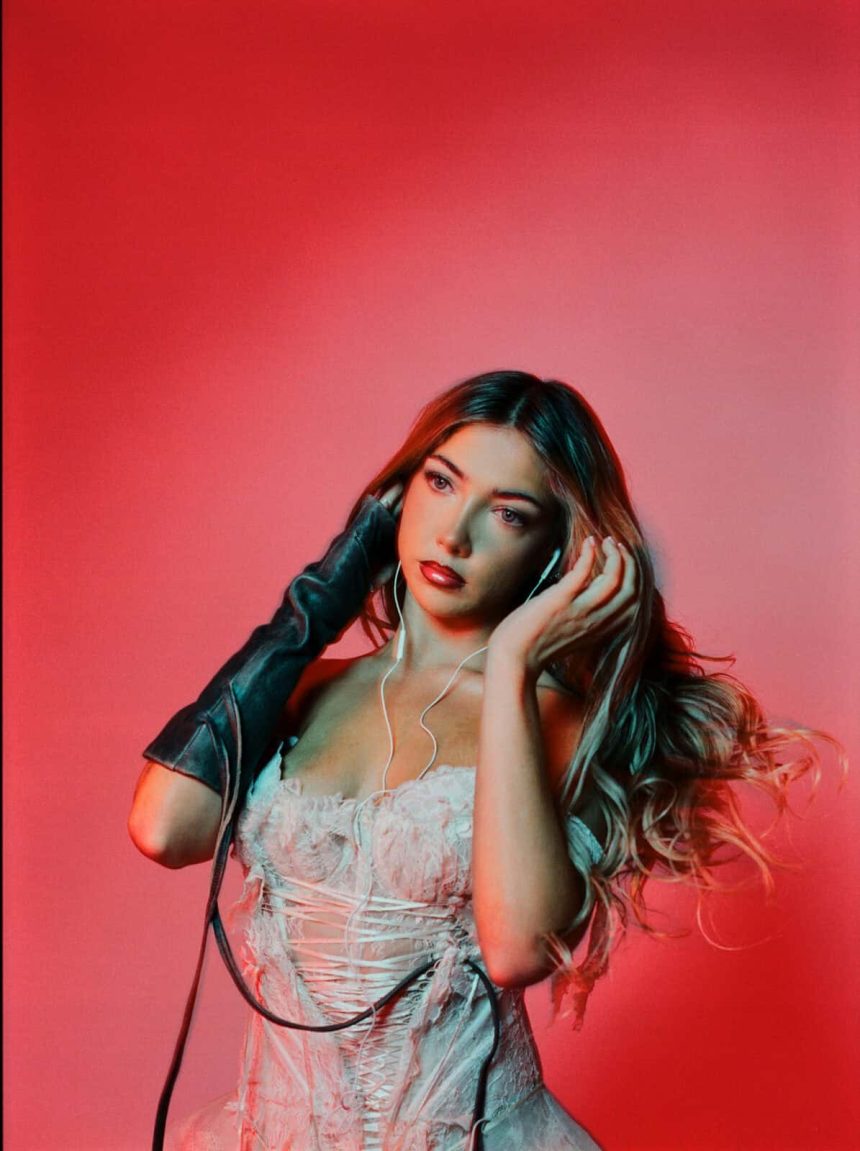
Charlotte Plank: Redefining Electronic Music with Vulnerability and Style
“To everyone else, it might be a new sound – but to me, it’s the most me I’ve been in a few years.”
These heartfelt words set the stage for an intimate conversation with Charlotte Plank, a rising star in the electronic music scene. The Australian-born, British-based artist recently claimed her first BRIT Award for Song of the Year in 2024 with the dynamic collaboration “Dancing is Healing” alongside Rudimental and Vibe Chemistry. Fresh from her sold-out Clubliminal tour, Charlotte is now stepping confidently into her own light, ready to forge her path beyond featured appearances.
An Electric Atmosphere
Our dialogue occurs on the comfortable carpet of Sony Music studios. Charlotte, dressed in a striking white corset, seems unfazed by the pressure of success, casually leaning into the warmth of familiarity. “Finally,” she shares, reflecting on her solo music gaining traction online. The intuition behind her words highlights the crucial role that the internet plays in today’s music landscape, providing a supportive platform for emerging artists.
Gender Dynamics in Electronic Music
The conversation naturally transitioned into the gender dynamics prevalent within the electronic music industry. Charlotte addressed the male-dominated nature of the scene, citing a recent festival where only a handful of female artists were featured. “There’s such a plethora of females in the electronic alt space that are working away and getting recognition, but then not at that level,” she notes.
Duality of Persona
Charlotte’s musical persona embodies complex contrasts. When discussing her aesthetic – an embodiment of both emotional vulnerability and a “cyberpunk apocalypse” vibe – she describes how her music serves as armor. “You’re one person in the studio, and then a character on stage.” This duality underlines the pressures artists face in balancing authenticity with performance persona, likening her experience to a modern-day Hannah Montana.
Rapid Rise and Artistic Identity
The swift transition from bedroom demos to performing with renowned acts like Rudimental raises questions of identity. Charlotte candidly admits that the rapid change affected her artistic journey. “It gets confusing when you chase numbers,” she reveals, navigating the tension between commercial success and creative authenticity. Her solo projects serve not just her ambition, but also the loyalty of fans who resonate with her evolving sound.
Roots and Inspirations
Charlotte reflects on her musical inspirations, revealing a profound admiration for icons like Nirvana and Fleetwood Mac. These foundational influences shaped her artistic essence long before she gained widespread recognition. A pivotal moment came while listening to Rudimental’s debut album, Home, which showcased how the emotional depth of live performances could translate to larger spaces.
Humanizing Electronic Music
With her vision, Charlotte seeks to bring humanity back into electronic music. Unlike many artists who rely heavily on DJ sets, she often collaborates with a live band, featuring an all-female ensemble. This choice enhances the emotional connection with her audience, creating a concert experience reminiscent of both a live band and a nightclub.
Navigating Rave Nostalgia
Discussing the complexities of contemporary rave culture, Charlotte notes a generational shift where many regard club experiences through a nostalgic lens rather than physical interaction. “A lot of them don’t actually go out and experience the club,” she observes, highlighting the socio-economic barriers that might hinder live music engagement.
Social Media and Authenticity
Charlotte’s rise illustrates the duality of success and unintentional virality. For her, the leap to recognition wasn’t meticulously crafted; it was a spontaneous moment that resonated deeply with her audience. “It was a one-take thing,” she recalls about her viral hit “crybby blue,” underscoring the raw authenticity that often captivates listeners online.
Future Aspirations
Charlotte acknowledges her desire to maintain the integrity of her artistry. “If I weren’t a musician, I’d probably be in fashion,” she muses, hinting at her multifaceted interests. Yet music remains her life’s heartbeat, a medium through which she articulates the complexity of being young in contemporary Britain.
The Voice of a Generation
If Charlotte Plank’s music serves as a time capsule, encapsulating the essence of British youth in the 2020s, she hopes it communicates a shared vulnerability. “I want to be a friend for all — whether that’s coming back from the club or being alone in your room crying,” she declares, emphasizing the emotional scope of her work.
Final Thoughts
Charlotte Plank’s journey through music encapsulates the triumphs and struggles of modern artistry. With her innovative blend of sound and the emotional depth woven into her lyrics, she stands poised to redefine the electronic music landscape for generations to come. As she continually navigates the intricate balance between commercial success and authentic expression, Charlotte becomes a beacon of hope and representation within the electronic scene.