‘Mask Off’ heads to New York, Washington in October
The vibrant world of Korean dance is set to dazzle audiences in New York and Washington this October with “Mask Off,” a captivating production by the National Dance Company of Korea. This innovative piece reinterprets the traditional Korean art of talchum, or mask dance, through contemporary choreography and technology.
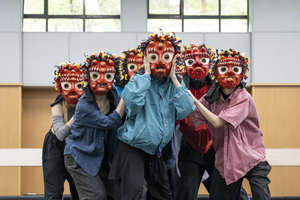
As the performance begins, the dancers embody the foundational elements of traditional talchum, swaying gracefully to familiar rhythms, their movements an homage to the historical roots of Korean culture. They bow low, peak through masks, and infuse the air with an energy that is both intense and playful. The masks they wear obscure their faces but enhance the allure, allowing observers to connect with the invisible emotions behind the masks’ expressions.
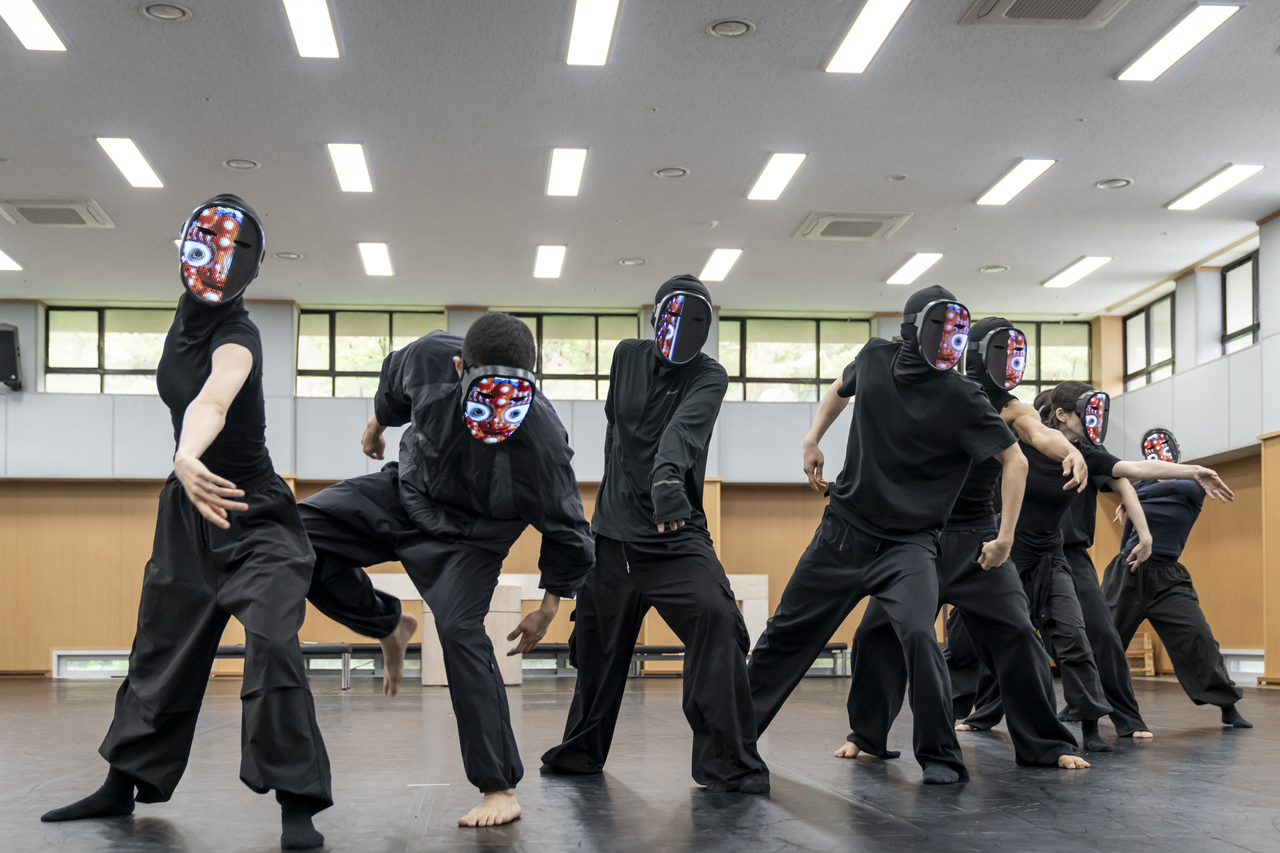
Then, a dynamic shift occurs. The enchanting sounds of the geomungo, a traditional Korean zither, collide with the thumping bass of electronic dance music. This unique blend sets the stage for the modern evolution of talchum: dancers donning LED masks that flicker with ever-changing digital expressions. This clever integration of technology serves not merely as a spectacle but as a symbol of evolution in the art form.
Originally premiered in 2024 as a concise 30-minute performance, “Mask Off” has returned this week in a reimagined 60-minute format, enriched with deeper narratives and heightened energy that reflects the vivacity of contemporary dance. The production will run at the National Theater of Korea’s Daloreum Theater before embarking on a transnational journey to the United States.
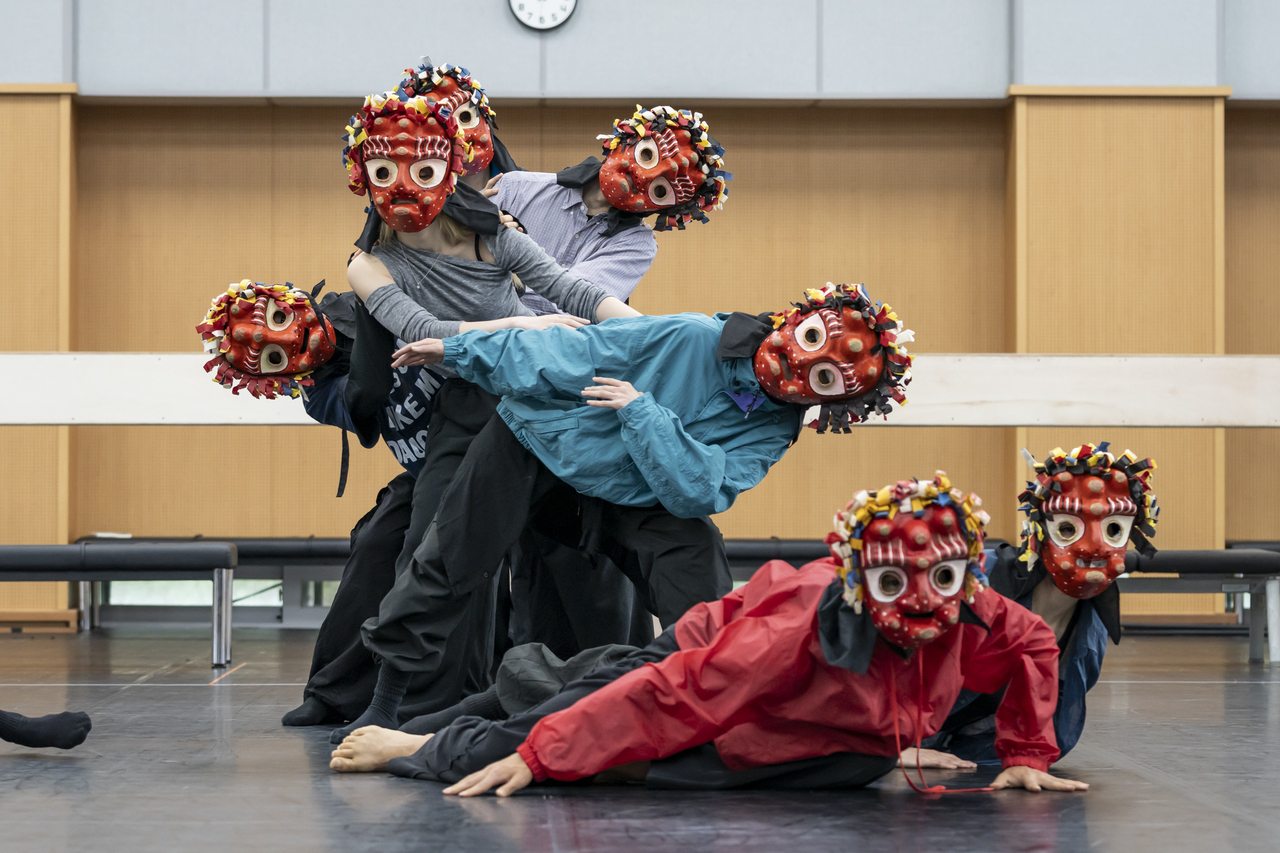
The Korean title, “Talbakkum,” conveys a dual meaning that resonates deeply. It refers to the act of changing masks, evoking the idea of transformation, both internally and artistically. Choreographer Lee Jae-hwa has skillfully woven the essence of traditional talchum into a rich tapestry of modern expression through innovative choreography. His approach challenges the dancers to reexamine their identity while honoring traditional roots.
“Mask dance is incredibly demanding and exhausting,” Lee notes candidly. “You’re constantly jumping, crouching down, and getting back up again. Endurance is key.” This principle of endurance feeds into the choreography, serving as a testament to the dancers’ fortitude and resilience.
Lee articulates the tension that arises from adhering to traditional notions: “As dancers of Korean traditional dance, we were often told to ‘be Korean,’ yet we were constantly asking what that truly meant and how our art could evolve to resonate with contemporary audiences.” This introspection forms the bedrock of the choreographic vision, aiming to blend cultural heritage with modern artistic expression.
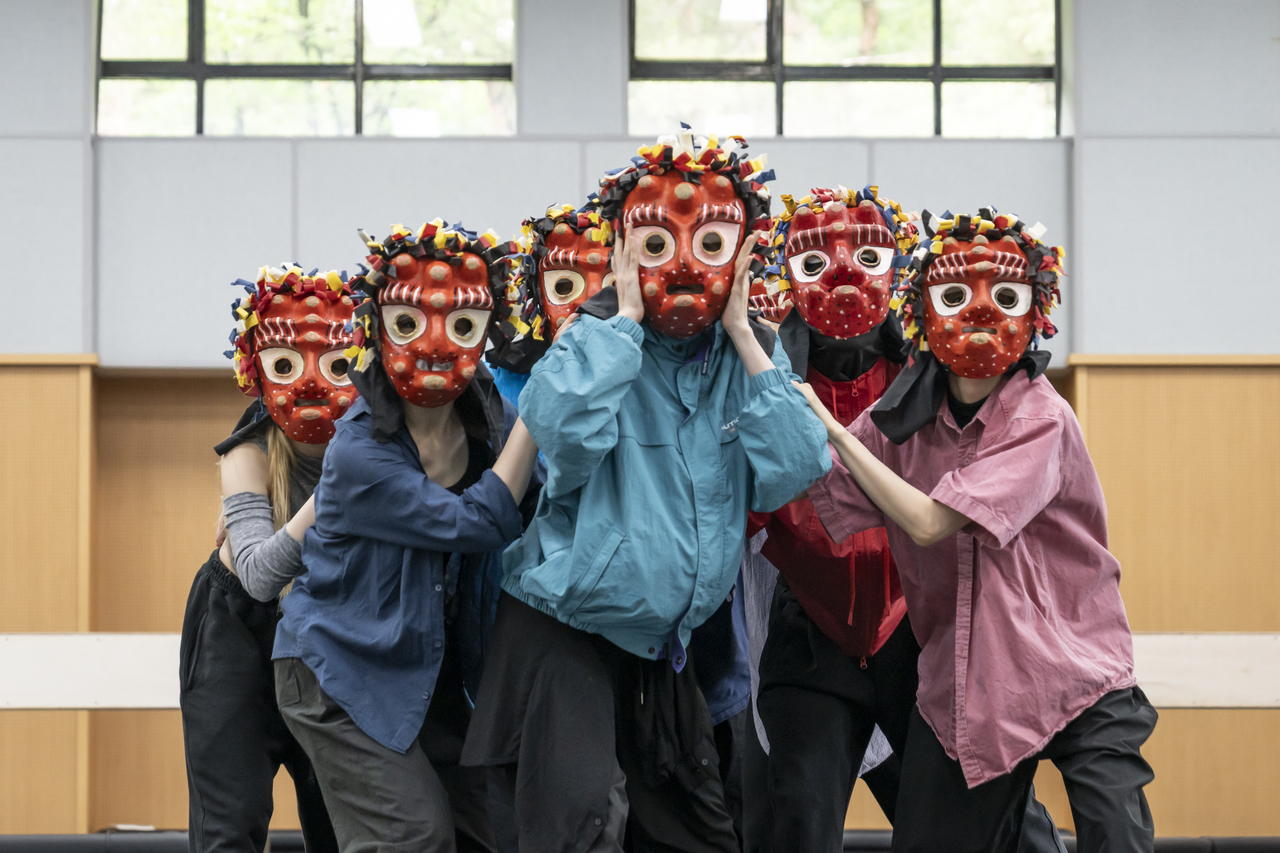
Lee further broadens the scope of talchum, moving beyond mere replication of historical forms. Drawing inspiration from various regional mask dance traditions—including Gangnyeong Talchum and Bongsan Talchum—his choreography bends and reconstructs the movement vocabulary, creating a fresh contextual lens through which the art form can be viewed.
One of the standout elements of “Mask Off” is undoubtedly its LED masks. The production has transitioned from 14 static traditional masks to innovative, digitally flexible alternatives that can change expressions almost instantaneously. These masks not only contribute to the visual spectacle but also reshape the physical performances of the dancers, revealing how an emotive transformation impacts their portrayals.
Lee Yo-eum, one of the company members, shares her personal experience with the transformative power of masks: “Offstage, I’m extremely introverted, but once I wear a mask, my confidence soars. I find myself embodying characters with playful and daring traits that reflect a more liberated side of myself.”
Cho Seung-yeol echoes her sentiments, describing the challenge of performing in a mask: “It limits your vision and makes breathing a bit more difficult. However, when I wear a specific type of mask, like a Hahoe or Gaksi mask, I can literally feel my body shifting into that character.” These unique experiences underscore the relationship between the dancer and their masked persona.
At the helm of this creative endeavor is composer and music director Park Da-wool, who leads a five-piece live band that intricately melds electronic beats with traditional rhythms. The audacious soundtrack creates a seamless bridge between past and present, illuminating the trajectories of Korean dance.
hwangdh@heraldcorp.com