
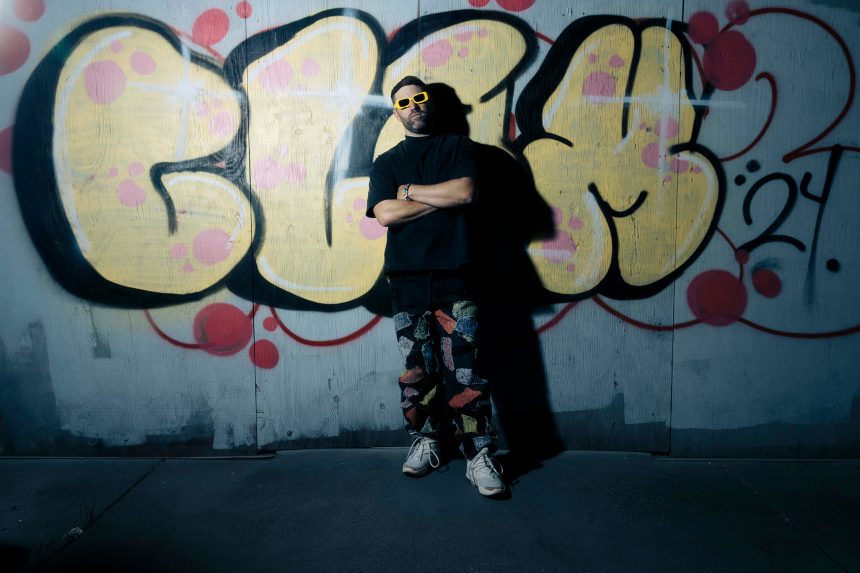
The Journey of Topher Jones: From King Topher to Rave Jesus
Topher Jones had already amassed over a decade of experience in the electronic music scene before he became widely recognized as Rave Jesus. Initially performing under the monikers King Arthur and later King Topher, this Florida native found himself gracing the stages of some of the world’s largest festivals, including Tomorrowland’s iconic main stage. His records amassed a global fanbase, with a career trajectory that seemed almost meteoric. However, amidst the cheers of the crowds, it was the quieter, more intimate moments that left a lasting impact on him.
- The Journey of Topher Jones: From King Topher to Rave Jesus
- Backstage Conversations that Matter
- Birth of the Rave Jesus Prayer Call
- The Pandemic Shift
- Reluctance to Embrace Rave Jesus
- Navigating Criticism from Within the Church
- Engaging the Dance Music Community
- Memorable Encounters at Shows
- Spiritual Curiosity Among Peers
- The Growth of Christian EDM
- The Mission Beyond Genres
Backstage Conversations that Matter
“My favorite part of all of it was having these conversations backstage at these festivals, getting to love on people and talking about Jesus and pray for them,” Jones shared in an interview. In those moments, he experienced a profound sense of purpose, feeling that God was waiting to meet people in the dance music space. Such experiences stirred a curiosity in him: what if he could pursue those spiritual conversations with the same intentionality he applied to music?
Birth of the Rave Jesus Prayer Call
In 2018, Jones took his first step toward this new vision by inviting a handful of friends from the electronic dance music (EDM) industry to join a weekly prayer call. This gathering was a simple way to pray for artists, producers, and others involved in the evolving scene. He whimsically dubbed it the “Rave Jesus” prayer call, not fully understanding the profound impact it would soon have. For five and a half years, Rave Jesus was not a musical identity but rather a spiritual movement rooted in prayer, bringing together people eager for a change in the dance music community.
The Pandemic Shift
When the pandemic hit, the prayer call opened its virtual doors to the public, leading to an unexpected surge in participation. Industry professionals from around the world began to join in, and many reported experiences of meeting Jesus long before Jones ever thought of releasing music under the Rave Jesus moniker. This collective energy was not just musical; it was transformative, offering hope and connection in uncertain times.
Reluctance to Embrace Rave Jesus
When Jones eventually felt a divine nudge to make Rave Jesus a musical project, his initial response was one of reluctance. “I didn’t want to do any of this,” he confessed, fearing that openly branding the project as Christian might alienate him from the mainstream dance community he had worked hard to cultivate. Yet, as he began to unveil his music, he found that many of his expected critics—those in the industry—embraced the change. “They’re like, ‘Yeah, well, we know you. This isn’t anything weird. This is just you being you,’” he recalled, finding unexpected support among those who might not even share his faith.
Navigating Criticism from Within the Church
However, not all responses were positive. Jones encountered skepticism from some within the church, where the word “rave” often evokes associations with drug culture and nightlife. He understands these sentiments but believes they overlook the significant spiritual potential within the dance music genre. “The initial Christian response to anything new is apprehension and a bit fearful,” he explains. For him, electronic music is merely another narrative form through which to share stories and point people toward Jesus.
Engaging the Dance Music Community
This philosophy deeply influences where Rave Jesus performs. Rather than confining shows to traditional church settings, Jones opts for clubs and independent music venues, seeking to create spaces that feel welcoming to those who may not otherwise step foot in a church. “I want this to be a place where people that wouldn’t go to church might feel more comfortable showing up to a music concert,” he explained, emphasizing the importance of accessibility in his mission.
Memorable Encounters at Shows
Jones’s choice of venues has yielded striking stories of transformation. After one concert, a venue manager shared a poignant experience: a stranger approached her during the show, conveying messages she felt God wanted her to hear, including insights about recurring nightmares related to a past abusive relationship—details no one in the venue could have known. This encounter led her to rethink her perceptions of Christians and the nature of God, illustrating the profound impact such moments can have on individuals.
Spiritual Curiosity Among Peers
Inside the industry, curiosity about faith has blossomed among artists Jones once regarded merely as colleagues. “There are a lot of very well-known big people in dance music that are asking a lot of questions right now,” he noted. These individuals, often wealthy and famous, find themselves grappling with unhappiness despite their outward success and are seeking deeper understanding about meaning and purpose.
The Growth of Christian EDM
In this evolving landscape, the rise of Christian EDM presents exciting opportunities. Social media now facilitates connections for artists operating outside the traditional Christian music framework, making it easier to reach a broader audience. While still a niche, the growth of Christian EDM is notable and seems to be gaining traction.
The Mission Beyond Genres
Despite being part of this growth, Jones is more focused on reaching people who already have a passion for dance music rather than explicitly trying to build a genre. He emphasizes that for fans of electronic music, what draws them in initially is simply great music. “People that like dance music go, ‘This is just amazing dance music,’” he said. As they delve deeper, they uncover the underlying messages of faith, leading to connections that bridge both music and spirituality.
For Topher Jones, also known as Rave Jesus, the mission extends beyond mere entertainment. The music brings people together, and it is the authentic conversations and connections that truly fulfill his calling.