
The Transformation of Jewish Music: Dance Beats and Tradition
The Rise of Electronic Beats in Jewish Music
In the past year, Jewish music has experienced a significant shift toward dance and trance beats, a trend that has only intensified over time. The electrifying rhythms and pulsating bass lines prevalent in contemporary Jewish celebrations raise intriguing questions about the evolving nature of what we consider traditional Jewish music. This evolution can largely be attributed to the work of “programmers”—not software developers, but rather the talented producers who craft and sell electronic musical beats.
- The Rise of Electronic Beats in Jewish Music
- The Programmers Behind the Sound
- The Client and Market Demand
- Shifts in Perception of Jewish Music
- The Role of Traditional and Electronic Influences
- The Evolutionary Nature of Jewish Music
- Embracing Modernity Without Losing Identity
- The Challenge of Maintaining Distinction
- The Community’s Role and Responsibility
- Musical Trends and Their Impact
The Programmers Behind the Sound
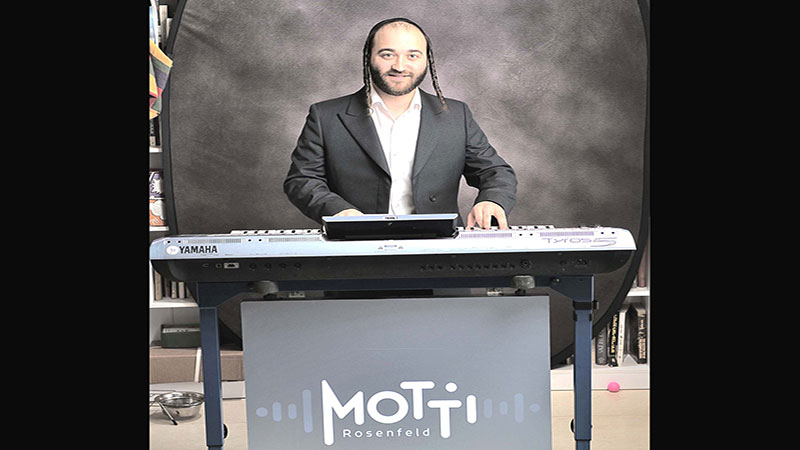
To delve deeper into this phenomenon, I reached out to two notable figures in the music programming arena: Motti Rosenfeld from Israel and Ari Pearl from the U.S. Both specialize in different keyboard brands (Yamaha and Korg, respectively) and are well-respected within the wedding band scene across Israel and the U.S. Both programmers are also accomplished musicians, regularly performing at weddings and live events, making them well-suited to speak about the changes in the musical landscape.
The Client and Market Demand
Motti Rosenfeld emphasizes the role of the client in shaping the music heard at weddings. “When a client books me, they expect me to deliver exactly what they want. The demand comes straight from the audience, particularly the grooms who are requesting these modern tracks.” Engaging with the expectations of their clients, musicians like Rosenfeld adapt to what is trending, bridging traditional chassidic melodies with contemporary electronic beats.
Shifts in Perception of Jewish Music
According to Rosenfeld, music that is now considered chassidic would have been viewed as DJ music just ten years ago. He describes the evolving landscape of Jewish music and how what was once deemed ‘too modern’ has found a place within the genre. The programming response to client requests reflects an adaptation to a new musical reality shaped not necessarily by the movement’s religious leaders but by the tastes of younger audiences.
The Role of Traditional and Electronic Influences
Both Rosenfeld and Pearl agree that traditional chassidic music has significantly influenced modern arrangements. Rosenfeld recounts that if a groom requests only traditional beats, that is exactly what he will deliver, indicating that both styles coexist in today’s celebrations. Despite Rosenfeld’s foundation in classical music, he acknowledges the complexity and artistry involved in electronic music production, likening the process of beat-making to constructing a building—layered and meticulous.
The Evolutionary Nature of Jewish Music
Ari Pearl shares his perspective by noting that every decade has seen similar resistance to new musical styles, citing the initial backlash against the popularization of artists like Mordechai Ben David when they first mixed contemporary sounds into Jewish traditions. Pearl argues that music is inherently fluid, and new waves of sound often face apprehension from those steeped in tradition. He adds that as music evolves, it’s crucial to cater to the tastes of the younger generation who define popular preference.
Embracing Modernity Without Losing Identity
The issue lies in balancing modern influences without straying too far from traditional roots. Both programmers believe that as long as the essence of the music maintains its connection to Jewish culture—the ability to uplift and inspire joy—it can still be considered Jewish music. Pearl asserts, “If it brings you closer to Hashem and elevates the joy of the event, it’s Jewish.”
The Challenge of Maintaining Distinction
Despite the claims of necessity from musicians, some traditionalists express concern over the intrusion of electronic music into a domain that has traditionally maintained clear boundaries. Critics argue that while evolution is inevitable, there should be a strong emphasis on preserving the unique characteristics that define Jewish music. The emergence of tracks like “RTVT,” while popular, has led some to question whether they truly embody the spirit of chassidic music.
The Community’s Role and Responsibility
Rosenfeld believes that if there were a sudden desire for traditional chassidic music, he would swiftly pivot back to those styles, highlighting the role of the community in determining the tastes that shape the music they hear. There’s a consensus among both programmers that engagement from educators and community leaders is essential; teaching the value of traditional music could help guide audiences toward a balanced appreciation of both contemporary and historic sounds.
Musical Trends and Their Impact
As the discussion evolves, one must consider the implications of modern electronic styles on the cultural identity of Jewish music. The nature of weddings and communal celebrations has transformed as well, with younger participants often gravitating toward beats and rhythms that resemble popular dance music, potentially drawing them away from traditional expressions.
In this ongoing dialogue about Jewish music’s future, the interplay between tradition and innovation will undoubtedly continue to shape how communities celebrate their heritage through music.



