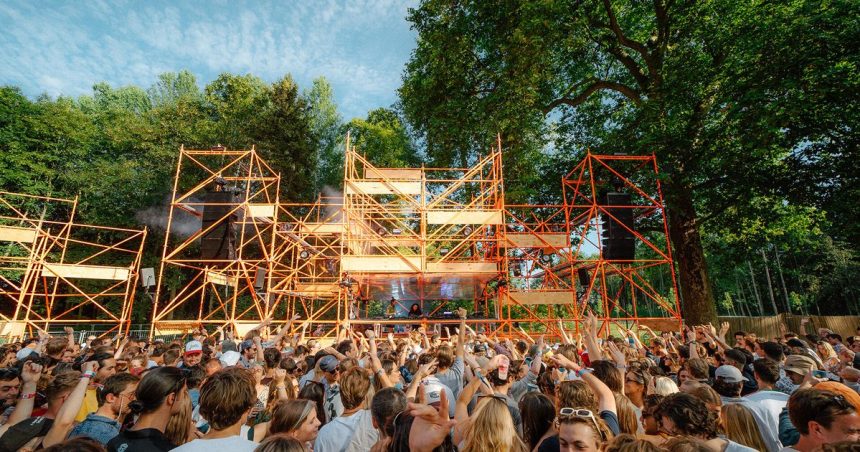
Greener Festivals: Leading the Charge in Sustainability
As summer approaches, music festivals are set to take center stage, showcasing incredible talents and vibrant communities. Among these, the UK’s Shambala Festival stands out, especially with its impressive lineup featuring celebrated DJs like Om Unit, Luke Vibert, and Dr Meaker. Since its inception in 2000, Shambala has embraced a commitment to environmental responsibility that serves as a model for festivals globally.
A Commitment to Sustainability
Chris Johnson, the Managing Director of Shambala and a sustainability expert, emphasizes a holistic approach to environmental impacts. “We don’t do or buy anything without carefully considering its impact on people and planet,” he asserts. This philosophy permeates every level of the festival’s operations, guiding not just the core team but also the suppliers, creatives, and crew involved. Such diligence ensures that every decision is made with a commitment to minimizing environmental degradation.
Scrutinizing Every Element
At Shambala, sustainability is not just a buzzword; it’s woven into the fabric of the festival. From the sourcing of drinks to travel logistics and waste management, each component undergoes rigorous evaluation through a green lens. One innovative initiative includes partnering with EVRYTHNG, an anti-capitalist cooperative that channels profits into local and climate-focused community projects. Such strategic alliances reflect the festival’s intention to foster a positive environmental impact both locally and globally.
Looking forward, Shambala has exciting plans for further greening efforts. Future initiatives aim to utilize more solar power and even explore unique methods of waste management, such as transforming collected urine into crop fertilizer. This commitment to groundbreaking sustainability practices showcases Shambala’s leadership in the festival scene.
Principles of the Circular Economy
At the heart of Shambala’s operational model is a dedication to circular economy principles. Chris Johnson breaks it down into three essential tactics: using less, reusing wherever possible, and purchasing responsibly. This framework ensures that all materials and structures used during the festival have minimal impact on the environment. By implementing these strategies, Shambala aims to set a standard that inspires other festivals to consider their ecological footprints.
US Festivals Embrace Green Initiatives
As the festival scene thrives on both sides of the Atlantic, the Elements Music & Arts Festival in Long Pond, Pennsylvania, has established itself as another beacon of sustainability. With performances from prominent artists like Tiga, A-Trak, and Above and Beyond, the festival not only celebrates music but also environmental stewardship.
Elements benefits significantly from an on-site solar farm that powers much of the event. This dedication to renewable energy positions the festival as a forward-thinking leader in sustainability within the U.S. festival landscape.
Engaging Festival-Goers in Sustainability
Jaron Drucker, the BOH Operations Director at Elements and the founder of the TECTONIC TEAM, focuses on integrating festival-goers into the sustainability narrative. Through initiatives such as the Renegade Recycling activation, the festival creatively engages attendees in real-time waste management. This art cart ambles through campgrounds, collecting trash while employing live DJs and eco-resources, turning waste collection into an entertaining and communal experience.
Jaron describes how the Eco Hub gamifies waste management, creating an environment where festival-goers actively participate in cleanliness efforts. “The goal is just to continue educating the patron and audience on what they’re using and how much of it they’re using,” he explains. This hands-on approach not only fosters a sense of responsibility but also builds a community dedicated to sustainable practices.
Setting a Sustainable Example
As we look towards a summer filled with music and celebration, both Shambala and Elements Music & Arts Festival exemplify how festivals can thrive while maintaining an unwavering commitment to sustainability. Through innovative practices and active audience engagement, they light the way for future events to consider their environmental impacts, ensuring that the joy of music can coexist with a focus on our planet’s well-being. By continuing to lead by example, these festivals inspire others to prioritize sustainability, paving the way for a greener festival landscape.