Emerging DJs and producers face the challenge of creating a lasting connection with their audience that extends beyond the live performance experience. Building a loyal community of followers demands memorable moments at events, emphasizing that the musical experience persists even when the festival concludes. Show attendees’ meaningful experiences can sustain a strong bond between the artist and their fans, fostering engagement that lasts long after an event.
Creating a Distinctive Brand Identity
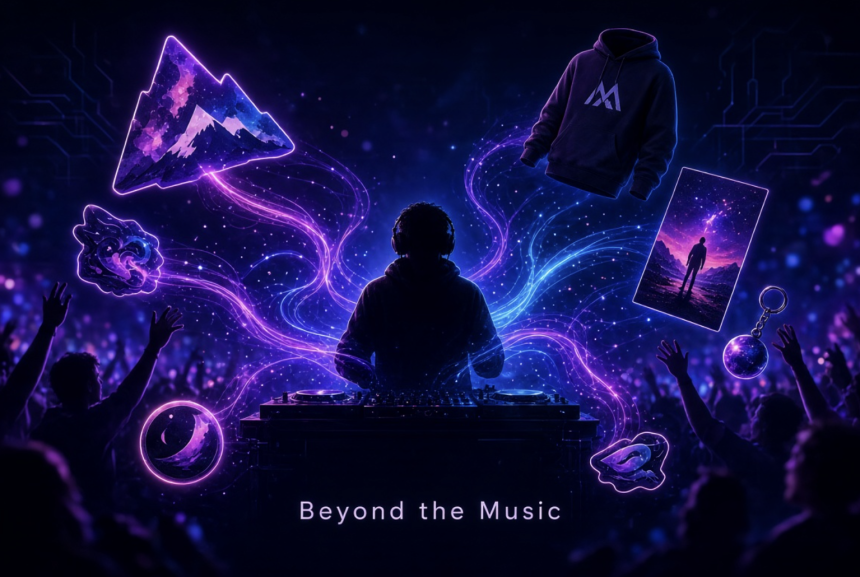
Establishing a recognizable visual identity is essential for artists looking to stand out. Successful musicians often have logos, color palettes, or imagery that define their brand. Effective merchandising starts with this visual identity and can manifest through EP covers, logos, and graphic elements used during performances. In electronic music, artists frequently leverage distinctive visuals that tie directly to their sound and brand to resonate with audiences.
Translating these visual elements into physical products aids in brand recognition beyond music alone. Each item should serve as a representation of the artist’s persona and artistic vision, evoking the music through design and concept.
Variety in Merchandise Offerings
While hoodies are popular among fans, merchandise options extend beyond clothing. Artists can explore a wealth of keepsake products such as posters, accessories, and collectibles. Smaller items make for visible displays at home, allowing fans to showcase their connection to the artist.
Offering a variety of merchandise also caters to different budgets, allowing fans to support artists in ways that suit their financial circumstances. The goal is to provide fans with affordable options while ensuring that each product serves a purpose and connects to the artist’s overall narrative and aesthetic.
Merchandise Linked to Releases and Events
Tying merchandise to specific moments in an artist’s journey can enhance its significance. Promotional items related to new releases or special shows create lasting memories for fans. Limited edition items should be genuinely special, linked to real moments or collaborations to inspire interest and authenticity.
Flexibility is important in merchandise planning. Not every product needs to be permanent, as some items can coincide with new releases while others may be available longer based on demand.
Planning and Testing Merchandise Strategies
Budget planning and product testing may seem daunting for artists. Conducting surveys and gathering fan feedback can clarify which product ideas resonate best with the audience. Starting with smaller quantities allows for testing without significant financial risk.
Selling merchandise directly at concerts presents unique logistical considerations, contrasting with online sales. Each method has its advantages and challenges, driving the need for careful evaluation and planning based on audience engagement and product viability.
Enhancing the Fan Experience
Connecting merchandise to the artist-fan relationship enriches the overall experience. Utilizing social media and direct marketing can build excitement around new merchandise, providing insight into the creative process behind each item. A clear purchasing experience fosters trust and strengthens the relationship between the artist and their audience.
Ultimately, effective merchandise complements the artist’s music and live performances, providing fans a tangible connection to the artist’s world. Thoughtful integration of merchandise into an artist’s offerings can help transform one-time listeners into long-term fans.
More electronic music news on BEATMAG TV.