Beatport’s Bold Stance on AI-Generated Music
The rapidly evolving landscape of music production is seeing the integration of Artificial Intelligence (AI) at unprecedented levels. However, Beatport, a leading platform for electronic music, has recently announced significant changes to its policy regarding AI-generated tracks, outlining a clear stance that distinguishes between human creativity and AI assistance.
A Clear Policy on AI-Generated Music
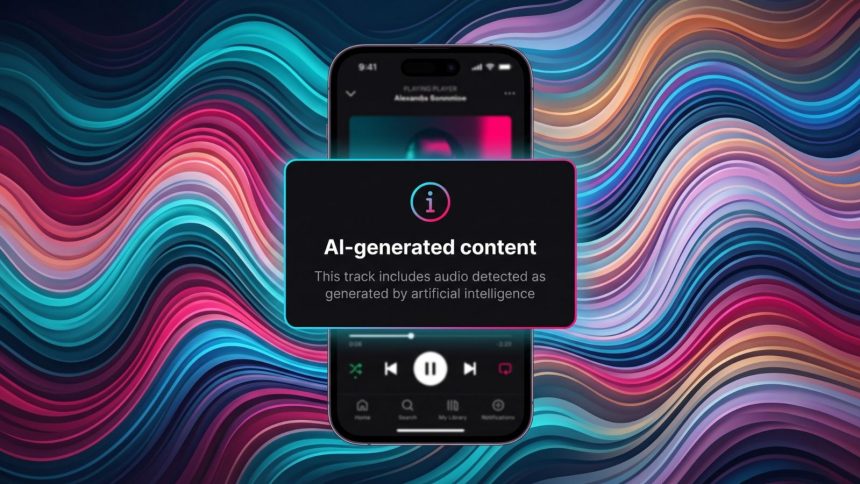
Beatport’s updated policy unequivocally states that fully or majority AI-generated music will no longer be permitted on its platform. This means that music created largely or entirely by AI will be withheld during the ingestion process, keeping rights holders informed directly about the status of their submissions. However, music that is AI-assisted but predominantly human-created remains welcome. These tracks will be tagged upon ingestion, granting Beatport’s curators the transparency they need when selecting pieces for inclusion, and ensuring that users understand the nature of what they are listening to.
This bold approach highlights a significant shift in how platforms are responding to the integration of technology in the creative process. While AI can be a valuable tool for musicians, Beatport emphasizes the importance of human intent in artistry.
Community Sentiment: What DJs Really Think
To better understand community sentiment surrounding AI-generated music, Beatport conducted a user survey that revealed intriguing insights. Approximately 60% of DJs surveyed indicated they would not include AI-generated tracks in their sets. Among these, a striking 77% expressed a desire to support human creators over AI-generated content. Only 8% of users expressed openness to playing AI music outright, and 13% were willing to consider it if artists and labels were compensated fairly.
These statistics illustrate a broader trend in the music industry: the significance of human touch in artistic expression remains paramount. When it comes to live performances, DJs appear steadfast in their commitment to showcasing genuine human creativity rather than programs and algorithms.
The Value of Human Creativity in Music
In an official statement, Beatport CEO Matt Gralen reinforced the platform’s mission: “Beatport exists to serve DJs and empower artists and labels.” He explained that while new production technologies are essential for driving musical innovation, there exists a fundamental difference between tools that assist human creativity and systems that seek to replace it. The emphasis on maintaining human involvement in music production is a cornerstone of Beatport’s philosophy.
Gralen’s statement underscores the importance that the platform places on genuine artistic expression. By refusing to accept fully AI-generated tracks, Beatport is positioning itself as a champion of creativity and the human element in the electronic music community.
Strengthening Integrity Through AI Detection
To bolster this commitment to transparency and integrity, Beatport has incorporated Beatdapp’s AI detection technology alongside its existing streaming fraud detection tools. According to Beatdapp Co-Founder Andrew Batey, “The music industry has always embraced new technology.” He highlighted the necessity of establishing infrastructure that promotes transparency in an age increasingly influenced by generative AI.
By implementing AI music detection, Beatport aims to preserve the integrity of its platform while simultaneously protecting the rights and creativity of human artists. This development represents a proactive approach to navigating the complexities that AI introduces to the music industry, balancing innovation with authenticity.
Support from the Association for Electronic Music
Support for Beatport’s new policy extends beyond the platform itself. The Association for Electronic Music (AFEM) has voiced its approval of this approach. Chief Strategy Officer Jay Ahern remarked that Beatport’s actions align with AFEM’s AI Principles, which advocate for placing human creativity at the forefront while considering variables such as consent, licensing, and transparency in the use of AI.
Ahern’s insights reflect a growing consensus in the music community about the necessity of maintaining control over creative processes. As AI technology continues to evolve, associations like AFEM are emphasizing the importance of ethical standards to ensure that artists are respected and fairly compensated for their work.
Further Exploration of AI in Music
For those looking to delve deeper into the implications of AI in the music industry, Beatport has published its full position on AI in music, available online. This resource provides an in-depth look at their stance and the broader conversation surrounding AI and creativity in electronic music. Additionally, for ongoing coverage on AI’s impact in dance music, platforms like We Rave You offer a wealth of articles and insights into the future of music production.
By taking a firm stance against fully AI-generated music, Beatport is not only safeguarding the integrity of its platform but also reinforcing the value of human creativity in an ever-changing technological landscape. This decision reflects wider community sentiments and reinforces a commitment to artistic authenticity, aiming to foster an environment where human creators can thrive.