Reinventing the Festival Scene: Chicago’s Musical Renaissance
As Chicago blooms into its vibrant summer months, it seamlessly transforms into a hub of cultural celebration, hosting nearly ninety neighborhood festivals throughout the season. These festivals cater to the fabric of the city, uniting diverse communities through music, food, and creativity. However, the dynamics of Chicago’s festival scene are not static; they are evolving, especially in the wake of the pandemic that has reshaped how we experience live music.
The Shift in Festival Landscape Post-Pandemic
Historically, Chicago boasted an unrivaled festival frequency, with one festival per approximately 30,000 residents—outpacing both New York and Los Angeles dramatically. Yet the pandemic served as an unexpected disruptor. The cancellation of beloved events like the Pitchfork Music Festival, shuttered by its parent company Condé Nast, raised questions about the sustainability of large-scale music gatherings. Those uncertain years caused many to speculate whether the music-festival bubble had burst altogether, citing rising costs and dwindling audience interest.
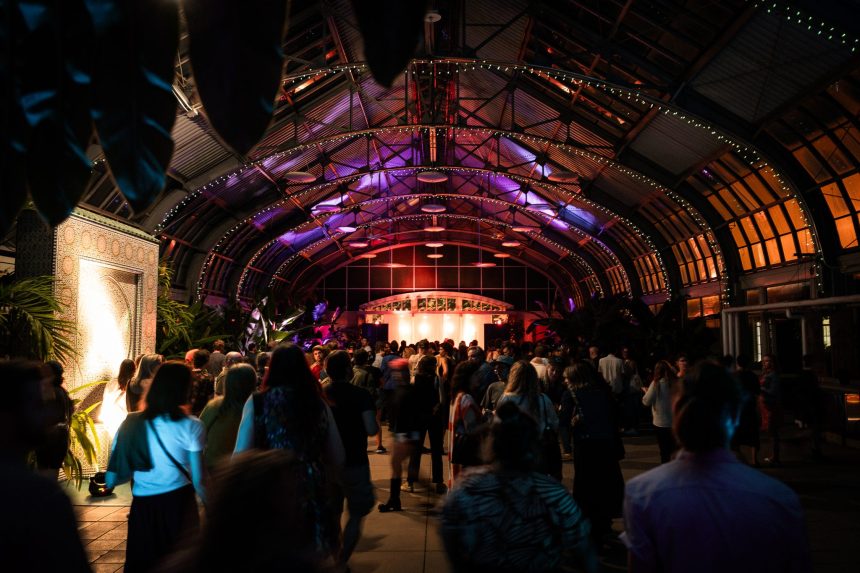
Nevertheless, from the ashes of disruption, a new era is emerging. Festival producers are pivoting towards smaller, boutique events that concentrate on specific genres or create unique experiences through unconventional venues. This September, Chicago will witness the second edition of Sound & Gravity, an innovative festival led by Pitchfork Music Festival producer Mike Reed, utilizing the Bricktown neighborhood’s eclectic venues instead of a traditional park setting. Meanwhile, Brent Heyl, a prominent figure in the local scene, will co-produce Plantasia, an ambient and electronic festival that will take place in the lush surroundings of Garfield Park Conservatory.
The Role of Local Producers in Reimagining Festivals
Brent Heyl, the music director for the Salt Shed and a key player in organizing festivals like Warm Love, Cool Dreams, highlights the intrinsic connection between Chicago’s festival scene and its local music producers. Heyl’s journey through Chicago’s vibrant music landscape began with his passion for music, rooted in his early exposure to diverse genres through family influences. His work spans from volunteering at community radio stations to managing iconic venues like the Empty Bottle and Thalia Hall, which have facilitated the rise of underground and niche talent.
The ethos behind festivals like Warm Love, Cool Dreams is about showcasing local talent and fostering an inclusive environment for both artists and audiences. In its second year, Warm Love featured an impressive lineup, including well-known acts like Courtney Barnett and Toro y Moi, while emphasizing local artistry and innovative visual design.
Competing for Attention in a Crowded Calendar
Chicago’s summer entertainment landscape remains significantly crowded, with each weekend featuring an array of street, music, and food festivals, adding layers to the communal experience. As Heyl points out, the city is home to many grassroots festivals, such as Riot Fest and North Coast Music Festival, which resonate with local audiences due to their curatorial efforts. This vibrant scene poses challenges for emerging bands and festival producers alike.
Upcoming artists often face the daunting task of filling venues in a city brimming with options. While many fans used to stumble into shows based on spontaneity, there’s a growing trend where audiences are more selective, favoring known acts over newcomers. This paradigm shift begs the question—has the abundance of festivals hindered the discovery process for local bands?
The Dichotomy of Saturation and Survival
The saturation of the festival market means that discovering a new band or attending a lesser-known show is more challenging than ever. As highlighted by many artists, it’s not necessarily that audiences are disinterested; rather, the sheer volume of choices can dilute attendance at grassroots events. However, being part of a vibrant scene—and sometimes playing for smaller crowds—can be instrumental for developing connections within the community and refining artistic expression.
Empty Bottle’s successful Free Monday series offers a solution to this predicament by providing a platform for local talent without financial barriers, enabling evenings of discovery for attendees. Such initiatives aim to bridge the gap between artists and audiences, fostering a sense of community that is essential for artistic growth.
The Cultural Heartbeat of a City
As someone who has experienced music scenes beyond Chicago, Heyl underscores the unique warmth and curiosity of Chicago audiences. The supportive nature among local musicians and fans creates an enriching atmosphere that nurtures talent. This communal spirit reinforces the city’s identity as a quaint yet dynamic hub for live music, making it an enticing ground for festivals and grassroots movements.
The festival landscape in Chicago is more than a mere collection of events; it is an evolving ecosystem that reflects the pulse of its society. Whether it’s through the emergence of boutique festivals or the resilience of local venues, Chicago’s commitment to its music scene endures, continually adapting and transforming to reflect the current cultural climate.
In an age where the music festival experience is intricately tied to local identity, it becomes increasingly clear that Chicago not only celebrates its rich musical history but also embraces its future.