
The Vibrant Literary Landscape of Dance-Floor Novels
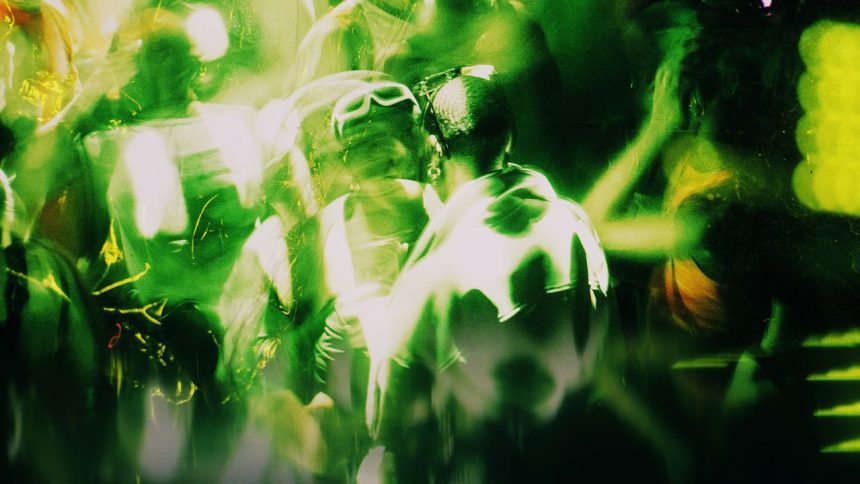
The late twentieth century was marked by an explosion of club culture, particularly in cities like Berlin and Munich, where a new wave of literature emerged to explore the nuances of nightlife, music, and the human experience. Two prominent works that encapsulate this epoch are Rainald Goetz’s Rave and Ann Scott’s Superstars. Both of these novels delve into the chaotic rhythms and emotional textures of the dance age, yet they approach the cultural phenomenon from markedly different angles.
Rainald Goetz and the Pulse of the Night
Rainald Goetz’s Rave, published in 1998, is an experimental reflection on the electrifying atmosphere of nightclubbing. Translated by Adrian Nathan West, the novel is characterized by its fluid structure, seamlessly transitioning among rooms, conversations, memories, and sensations. The narrative is driven by a quest to discover how a text might authentically encapsulate the essence of an era defined by pulsating music and intoxicating experiences. This search for authenticity is central to the narrative, posed through the hypothetical question, “How would a text about our lives have to sound?”
The narrative style of Rave is restless, reflecting the transient nature of the nightlife it seeks to portray. Goetz’s characters swim through a universe of drug-fueled escapades, where the lines between reality and the surreal blur amidst the rhythm of bass drops and laughter. The novel’s fragmented prose mirrors the experience of a raver caught in the throes of sonic ecstasy, interspersed with confessional moments that reveal underlying anxieties and existential musings.
Ann Scott and the Detached Dance
In contrast, Ann Scott’s Superstars takes a different literary direction. Released in 2000 and recently translated by Jonathan Woollen, the novel introduces us to Louise, a musician teetering between creativity and self-destruction. Louise’s journey through Paris’s queer techno scene is punctuated by a drug addiction that deepens her romantic despair. Unlike Goetz’s immersive style, Scott’s narrative adopts a more detached quality, emphasizing visual observation over physical experience.
Scott’s portrayal of the underground rave scene offers vivid snapshots of the club environment but simultaneously critiques it. Through Louise’s perspective, the reader gains insight into how the intoxicating beats and sensory overload of the clubs can serve as an escape. However, these moments are often overshadowed by a sense of futility and observation, as she experiences the spaces around her through a haze of drug use and introspection. In a pivotal scene, she articulates the hypnotic effect of music, describing how loops and samples create an intricate web that ensnares her mind and body.
The Limits of Sensual Utopia
Both novels capture a fleeting utopia that the club scene promises but ultimately reveals its limitations. In his analyses, Anton Jäger’s Hyperpolitics examines how this era of dance culture responds to, and often retreats from, the political ideologies of the past. The music and dance floors emerge as spaces of individual freedom rather than collective struggle. Jäger argues that post-Cold War escapism reflects a commodification of freedom, where fulfillment is found in consumer choices rather than political engagement.
The characters in Rave and Superstars often express concern over the commercialization of their scenes. Goetz’s characters lament the intrusion of media and academia into the very heart of club culture, while Scott fixates on the seductive power of advertising. This concern reflects a broader cultural anxiety about authenticity in experiences increasingly mediated by corporate interests.
The Desolation Beneath the Dance
As much as dance-floor novels celebrate the exhilaration of music, they also unearth a darker underbelly of spiritual desolation. In Superstars, Louise’s descent into a heroin addiction underscores the fragility of self-discovery in a world where the line between euphoria and despair is thin. Similarly, Goetz’s characters oscillate between moments of ecstatic joy and profound emptiness, articulating sentiments like, “No danger, no party; no fear, no fun; no beat, no logic, no nothing.” This tension emphasizes a shared existential struggle among those who seek solace in rhythm and revelry, only to confront the void that often lies beyond.
A Shift in Perspective
While Goetz and Scott provide critical narratives about the 1990s dance scene, newer literature offers a fresh perspective by contextualizing the club experience within broader socio-political frameworks. Works such as Cagney’s Berghain Nights explore the rich history of techno music from its roots in Detroit to its emergence in a reunified Berlin. Here, the club scene acts as a space of liberation for marginalized voices, marking a departure from earlier narratives that often overlooked such complexities.
These contemporary authors also delve into the socio-political dimensions of the dance floor, positioning it as a site of collective experience and shared emotion. This shift towards a more earnest and politically aware lens allows for a richer exploration of the cultural significance of nightlife and its potential for fostering connections among those traditionally sidelined in mainstream narratives.
As literature continues to evolve alongside changing dance cultures, the stories emerging from these spaces reflect not only the thrill of the experience but also the profound ways in which nightlife interacts with wider societal currents. In this dance between exhilaration and introspection, the legacy of the dance-floor novel remains as vital as ever, capturing the complexities of desire, identity, and community in a rapidly shifting world.