
The Spiritual Beat of the Rave: Exploring the Sacred Dance of Contemporary Culture
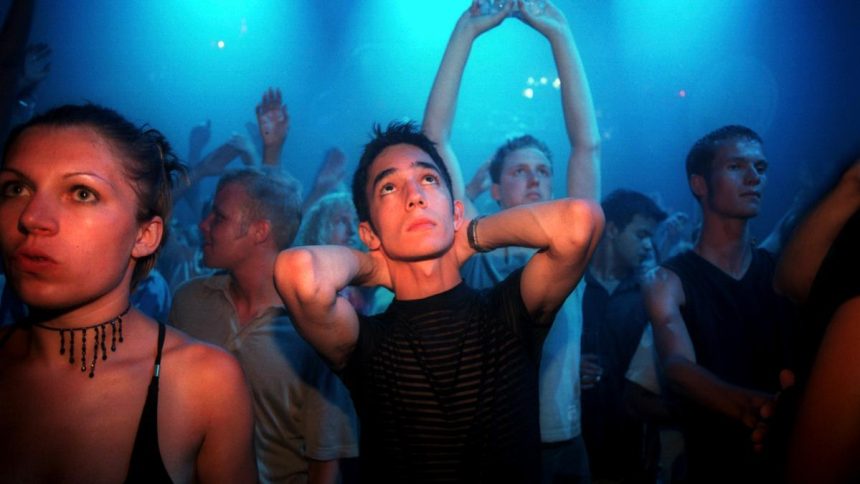
In the dimly lit corners of abandoned warehouses, lush forests, and sprawling industrial ruins, vast congregations gather to lose themselves in the rhythm of high-BPM electronic music. These spaces, often dubbed raves, offer more than just an escape; they invite participants to leave behind their everyday identities and professional facades, enveloping themselves in a subversive social fabric marked by esoteric accessories and shared energy. Since the 1990s, this underground dance culture has blossomed into a global phenomenon, drawing a diverse community that makes pilgrimages to techno sanctuaries like Berlin’s Berghain and Nevada’s Burning Man. Participants frequently elevate their experiences to a spiritual plane, describing DJs as modern shamans and dancefloors as sacred altars of expression.
Rave as Spiritual Experience
The legendary DJ Frankie Knuckles famously described The Warehouse in Chicago as ‘church for people who have fallen from grace’, a sentiment that resonates deeply within the cultural imagination. This analogy invites a deeper exploration into the relationship between rave culture and spirituality. Scholars like Graham St. John and Robin Sylvan have examined this intersection, while advancements in neuroscience provide modern insights into why communal dance serves as a unique form of spiritual catharsis for many. The idea emerges that underground dance culture functions as a kind of spiritual technology—a framework that reliably cultivates experiences traditionally associated with the sacred.
Ego Dissolution and Liminality in Dance
Central to spiritual experiences is the dissolution of the ego—the inner narrative that constructs our individual identities—allowing for a collective experience of transcendence. Cultural anthropologist Victor Turner articulated this phenomenon through the concept of liminality, where ritual practices enable individuals to shed their societal roles and embrace a state of openness and transformation. Neuroscientist Patrick McNamara adds to this discourse, proposing that the loosening of the brain’s narrative grip is foundational to spiritual experiences. This ego-softening allows individuals to perceive themselves from a broader perspective, fostering a fertile ground for new meanings and self-understanding to emerge.
Research shows that this process aligns with reduced activity in critical regions of the brain such as the medial prefrontal cortex and posterior cingulate cortex—areas responsible for self-referential thought. When these neural hubs quiet, whether through deep meditation, psychedelics, or the immersive environment of dance, participants are more likely to engage fully with the present moment, experiencing a temporary reprieve from their personal narratives.
The Dancefloor as a Collective Experience
Rave settings are meticulously designed to foster this identity relinquishment. Low lighting, dense crowds, and sensory overwhelm obscure social demarcations, allowing individuals to merge into a collective experience. As they lose themselves in the rhythm and sound, participants often describe a sensation of unity—commonly referred to as communitas or collective effervescence. Dancers perceive themselves as a single, coordinated entity, transcending ordinary social boundaries. The music and visceral vibrations from the bass create a shared rhythm, underscoring these emotional and neurological connections.
DJ LO-LOW articulates this beautifully: “The synchrony with other people brings me to that peak moment, the feeling of the whole dancefloor being a single, coordinated being.” In this shared space, communication transcends words, allowing bodies to connect on a primal level.
Seeking the Divine through Emotion
The emotional landscape of spiritual experiences is characterized by a complex interplay of elation and trepidation, encapsulated in the concept of mysterium tremendum et fascinans, introduced by philosopher Rudolf Otto. This overwhelming sense of encountering something divine or transcendent mirrors the intentions of many rave participants, where the intention is often to reach peak emotional states. For some, psychoactive substances become a conduit in this journey, complicating the narrative but also illuminating the depths of connection and ecstasy found on the dancefloor.
Substances like MDMA and psychedelics like LSD have ingrained themselves into the culture, fostering emotional bonding and heightened sensations. For instance, MDMA leads to increased serotonin release, resulting in euphoric sensations and a warm sense of connectedness, akin to profound spiritual experiences. Yet, it’s important to assert that many ravegoers report significant transformative experiences without the aid of drugs, collapsing the false dichotomy between substance use and authentic spiritual experience.
The Continuity of Rave Culture’s Roots
Rave culture’s inception is deeply entwined with histories of social struggle, particularly those stemming from Black, Brown, and queer communities in the aftermath of the AIDS crisis. It emerged as a lively assertion of life amidst despair, transforming communal dance into an embodied testament of resilience. Events like those at the New Afrika Shrine in Lagos remind us that nightlife can be a platform for cultural and political activism.
The social dynamics within these spaces demonstrate a collective ethos marked by cooperation and care. In environments with minimal security, dancers often look to one another for safety and support, fostering a sense of community that resonates with the ideals of traditional spiritual practices.
Embracing Transformation in Dance Culture
The notion that the dancefloor is simply a hedonistic escape from reality misses the profound spiritual undercurrents shaping rave culture. Historically dismissed as trifling or dangerous, the community’s resilience in the face of regulatory threats speaks to a deeper truth about the collective longing for transformation and connection. As contemporary dance spaces continue to evolve, they also reflect ongoing struggles, such as those faced by the LGBTQ+ community today.
The feminine essence of rave culture cannot be overlooked, as it significantly influences the atmosphere of care and collaboration that defines these events. This framework challenges dominant narratives, affirming that spaces of collective transcendence can indeed thrive outside traditional institutional boundaries.
Spaces for Emotional Healing and Connection
William James posited that the “fruits” of religious experiences matter more than their origins—suggesting that the critical measure of spiritual encounters lies in their outcomes rather than their formal associations. The ability of the dancefloor to facilitate emotional release, collective empathy, and exploration of alternative consciousness not only enriches individual lives but resonates profoundly within the greater cultural context.
In an age dominated by distraction, the rave invites a radical reclaiming of presence. By engaging deeply and pushing aside technological distractions, participants foster genuine connection through movement and sound. Thus, to recognize these spaces as legitimate sites of spiritual experience should not require romanticizing or overlooking their pitfalls. Rather, it invites a broader cultural awareness of how and where spiritual life can flourish within the contemporary tapestry of human experience, aligning ultimately with a chase for connection, meaning, and love in a fragmented world.