Armin van Buuren and Laidback Luke Partner with Moises: A New Era for AI in Music
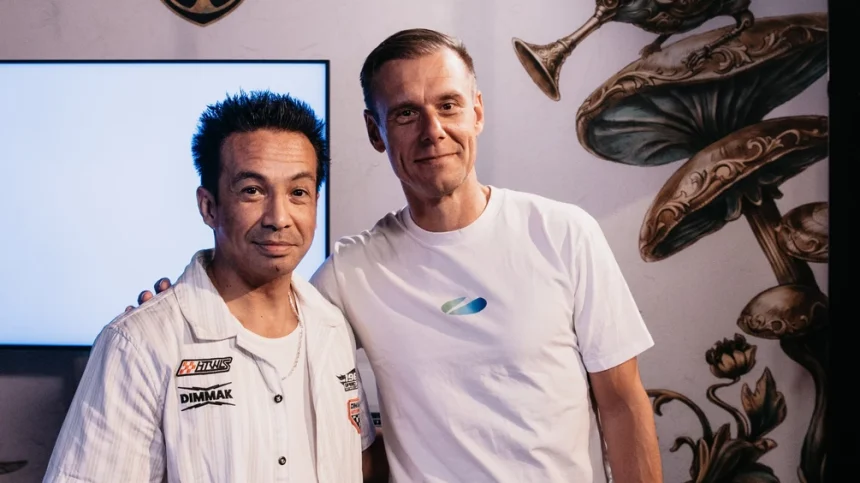
In a significant development for the world of electronic music, iconic DJs and producers Armin van Buuren and Laidback Luke have joined forces with Moises, a company positioning itself as a ‘responsible’ AI music platform. This collaboration marks their entry into Moises’s Artist Partnerships programme, aiming to reshape how musicians create and interact with technology.
- Armin van Buuren and Laidback Luke Partner with Moises: A New Era for AI in Music
- Moises: A Responsible Alternative in AI Music
- Enhancing Creativity Through Collaboration
- The Vision Behind Moises
- Expanding Horizons Across Genres
- Tools for Creative Independence
- Keeping the Artist in Control
- The Current State of AI in Music
- Industry Pushback Against AI-Generated Music
- Copyright Challenges and Ethical Considerations
Moises: A Responsible Alternative in AI Music
Moises sets itself apart from other AI music platforms, including Suno, by focusing exclusively on licensed and authorized tracks for training its models. This approach is particularly important in an era where concerns about copyright and the integrity of creative work are paramount. With a growing list of high-profile partnerships, including industry giants like Ableton, Fender, and Whitney Houston’s estate, Moises is establishing itself as a trusted resource for artists.
Enhancing Creativity Through Collaboration
The partnership with van Buuren and Laidback Luke goes beyond mere endorsement. Both artists will provide invaluable feedback on Moises’s DJ and production tools, sharing their insights on the future of audio creation technology. The platform boasts a suite of innovative studio tools already, including stem separation and isolation, chord identification, and automatic mastering. Their input will be crucial in ensuring that these tools are not only effective but are designed with the musician in mind.
The Vision Behind Moises
Geraldo Ramos, founder and CEO of Moises, emphasizes the importance of creating technology that works in harmony with musicians. He believes that the evolution of electronic music relies on artists experimenting with new technology, asserting, “The next generation of creative tools has to be built with musicians, not around them.” This vision positions Moises as a collaborator rather than a competitor or replacement for artists’ creative processes.
Expanding Horizons Across Genres
While Moises initially targeted dance music, the platform is poised for expansion, with plans to add more Artist Partnerships across various musical genres. Currently, Moises boasts a user base of around 80 million people spanning 190 countries, with major markets including the US, Brazil, India, France, and Japan. This strategic growth reflects the company’s commitment to making cutting-edge technology accessible to a broader range of creators.
Tools for Creative Independence
Both Armin van Buuren and Laidback Luke share a vision of technology that empowers artists rather than diminishes their creative responsibilities. Laidback Luke remarks, “Every generation of producers gets new tools, but the best tools do not do the work for you.” He highlights the importance of enabling young producers to hear more, learn faster, and make stronger creative decisions, underscoring a desire for AI that complements human creativity.
Keeping the Artist in Control
van Buuren echoes this sentiment, stressing that while technology is integral to the evolution of electronic music, it is critical for artists to maintain creative control. “Moises approaches AI with respect for the musician’s own sound and decision-making,” he explains, underscoring the platform’s commitment to enhancing rather than overshadowing the artist’s input.
The Current State of AI in Music
The rise of AI in music has sparked debate within the industry, as highlighted by a recent report revealing that almost 40% of all music releases in July involved some form of AI assistance. This statistic raises questions about authenticity, with a significant number of artists claiming they do not use AI, even when their work suggests otherwise.
Industry Pushback Against AI-Generated Music
In response to the increasing prevalence of AI-generated tracks, platforms such as Beatport and Bandcamp have implemented bans on fully AI-generated music. These measures aim to protect artistic integrity and encourage human involvement in music creation, reflecting broader concerns within the industry. Skrillex recently expressed similar frustrations, pointing out that while AI songs can achieve viral success, they lack the human connection that makes music meaningful.
Copyright Challenges and Ethical Considerations
The ethical implications of using AI in music production have gained attention, particularly after an investigative report revealed over 21 million copyrighted tracks were circulating among AI developers without proper licensing. Additionally, companies like Suno have faced legal challenges for their practices in training models on copyrighted material without authorization. These developments raise significant questions about intellectual property rights and the future of AI in creative fields.
Through the partnership with Armin van Buuren and Laidback Luke, Moises not only champions a new approach to AI in music but also fosters a close connection between technology and the creative process. As the dialogue around AI in music continues, the collaboration signifies a progressive step towards safeguarding artistry while embracing innovation.