Reading & Leeds Festivals: Embracing Dance Music with a Purpose-Built Stage for 2026
As the sun set on Reading & Leeds 2026, one undeniable truth emerged: dance music had taken center stage in a festival renowned for its guitar-driven history. The introduction of The Warehouse, a purpose-built electronic stage, signaled not just an embrace of dance culture but also an evolution of the festival to meet the changing appetites of its audience. Yet, even amidst this celebration, capacity issues revealed a deeper insight — dance music has outgrown its designated spaces.
The Birth of The Warehouse: A Long Overdue Commitment
Following the festival’s history of intertwining rock and electronic performances, the decision to establish The Warehouse truly demonstrated the seriousness with which Reading & Leeds views the dance genre. Festival Republic’s managing director, Melvin Benn, emphasized, “Dance music is absolutely on top of its game again.” This declaration resonated throughout the event, where notable acts like Hybrid Minds, Skepta, and Prospa brought vibrant energy to the new stage, creating a soundscape distinct from the traditional bands that have etched their presence into the festival’s legacy.
Capacity Challenges: A Reflection of Audience Demands
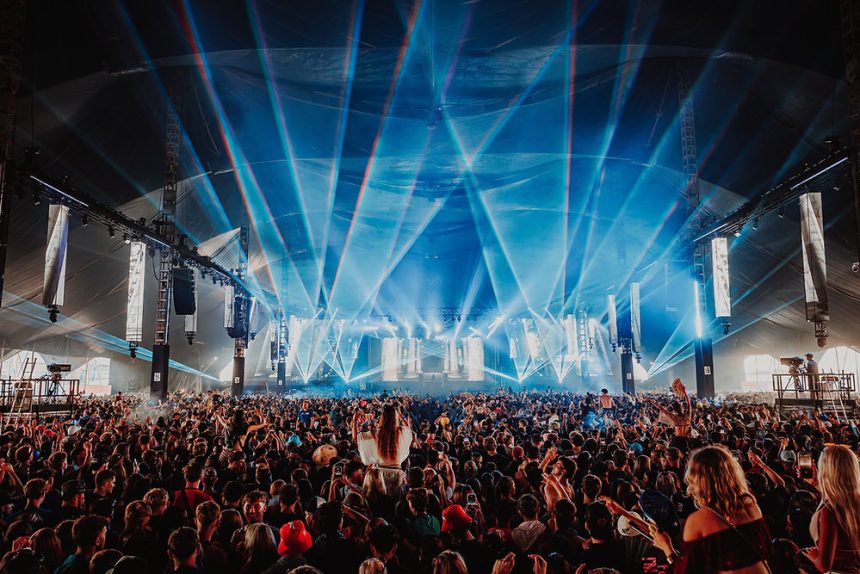
While The Warehouse provided a new home for dance music enthusiasts, its opening weekend highlighted a critical challenge: crowd safety and capacity management. Despite the buzz and anticipation surrounding its launch, The Warehouse experienced closures due to overwhelming demand. High-profile cancellations, such as Skepta and Prospa’s Friday set at Reading, underscored that the appetite for electronic music exceeds available space. It quickly became evident: attendees were eager for more than just an addition of a dance stage; they wanted a full-fledged experience that reflected their evolving music preferences.
Festival Identity: Bridging the Past and Present
The emotional charge of the crowd during performances illustrated a transformational shift — one that spectators seemed to embrace effortlessly. The presence of dance music at Reading & Leeds sparked questions about the festival’s identity, which had long been rooted in rock and alternative genres. Yet, as the crowd energetically sang along to Nirvana’s ‘Smells Like Teen Spirit’ reimagined within a drum & bass composition during Hedex’s set, it deepened the understanding that this isn’t merely about tradition versus change. Instead, a new generation is reshaping what it means to go to a festival. Rather than an erasure of history, it’s an innovative reimagining that allows the past to coexist with the present.
Redefining Festival Spaces: A Call for Expansion
With the evident demand for dance music, the festival is confronted with crucial decisions related to space allocation for future iterations. Artists like Prospa voiced frustrations over the constrained environment, suggesting that larger festivals need to either enhance capacity in dance areas or integrate electronic acts into main-stage lineups. This perspective pushes the dialogue forward: if an artist’s draw outstrips their performance space, how can the festival adapt accordingly?
Throughout the weekend, dance acts found their way beyond The Warehouse’s walls, as seen with acts like Chase & Status headlining, illustrating that the integration of genres doesn’t need to be confined. Historical perceptions of the festival’s identity are morphing, revealing a blend of sounds and styles that mirror contemporary musical landscapes.
The Future of The Warehouse and Dance Music at Festivals
Looking ahead, the question remains: how will Reading & Leeds respond to the significant demand demonstrated by festivalgoers? While The Warehouse should return, it shouldn’t simply replicate its previous scale. The festival has already signaled an understanding of this movement towards a more inclusive musical representation. By re-evaluating the size and capacity of stages dedicated to electronic performers, they could better reflect the fervor and energy demonstrated by fans during the 2026 event.
In essence, the dance music community showcased its resilience and passion this past weekend. Festival Republic’s initial commitment to provide a designated space for dance music is a step in the right direction, and the feedback from attendees — loud and clear — indicates that there is an urgent necessity for growth. Embracing this need could ensure that Reading & Leeds not only honors its storied past but also adapts to meet the vibrant cultural shifts that are currently redefining the festival landscape.