
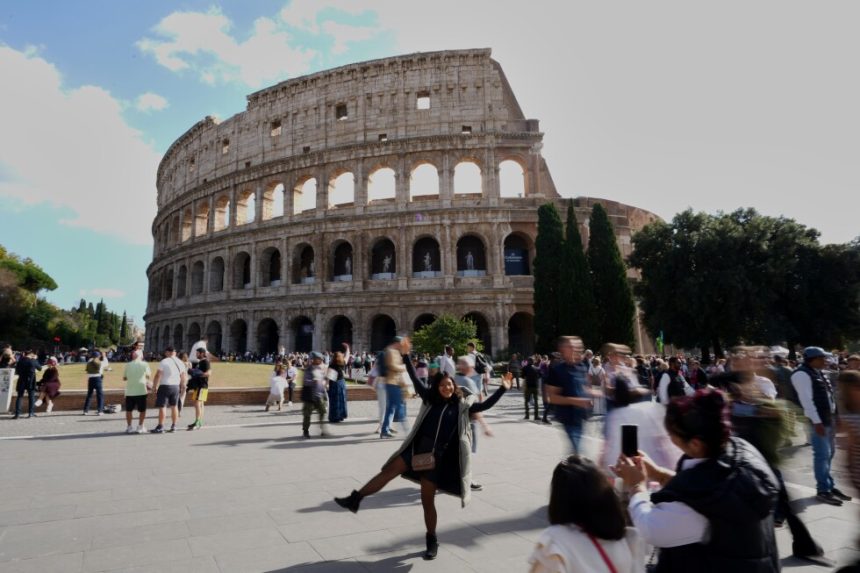
Reimagining Rome’s Colosseum: A Vision for Cultural Events
The New Director’s Vision
In a recent interview, Simone Quilici, the newly appointed director of the Archaeological Park of the Colosseum, unveiled his vision for one of Rome’s most iconic landmarks. While some social media buzz suggested that the ancient amphitheater might soon host electronic dance music raves, Quilici was quick to clarify that such an idea was far from his intentions. Instead, he aims to enrich the cultural heritage of the Colosseum without compromising its historical significance.
Concerts in a Sacred Space
Quilici expressed concern regarding public reactions from archaeologists and everyday Romans, many of whom fear the degradation of their cultural heritage amid the possibility of loud concerts. He emphasized that any events held at the Colosseum must respect its status as a “sacred space.” Today, the Colosseum isn’t just a tourist attraction; it is integral to Roman identity, serving as a backdrop for important religious events such as the Via Crucis, presided over by the pope during Easter.
Controlled Musical Atmosphere
“There must be a careful control of the music played here,” Quilici noted. He mentioned that any performances considered would need to cater to a more subdued audience, ensuring that the music aligns with the atmosphere of the historical site. Quilici’s vision includes acoustic or jazz concerts, with names like Sting being suggested as potential performers. He even hinted at the possibility of poetry readings and dance performances, moving away from the notion that big rock concerts could take place at the ancient venue.
Historical Reenactments
Further plans involve staging meticulously researched gladiatorial reenactments, which Quilici believes could provide meaningful cultural insights to visitors. “There are scholars who have deep knowledge about daily life in ancient Rome. Their expertise would ensure historical accuracy in these portrayals,” he explained. This intention stands in stark contrast to the more commercialized and less authentic “centurion” costumes worn by street performers outside, posing for tourists looking for quick photos.
Gradual Implementation
Although this ambitious vision is exciting, Quilici noted that the first concerts and performances may still be two years away. He aims to protect the integrity of the Colosseum while introducing culturally enriching activities that elevate visitor experience. “It’s essential for us to approach this with care,” he said.
A Dual Approach to Tourism and Culture
Not only is Quilici focused on the Colosseum, but he also seeks to encourage tourists to explore beyond its walls. The Archaeological Park includes the Roman Forum and Palatine Hill. However, data suggests that a significant portion of visitors tend to flock only to the Colosseum, neglecting the rich offerings surrounding it.
Expanding Visitor Experience
According to Quilici, enhancing the visitor experience at these interconnected sites is vital. The park’s ticketing system allows access to all three attractions, yet a third of ticket buyers only visit the Colosseum. He likened this to experiencing only a fragment of a masterpiece, leaving countless treasures untouched. “We want to use the Colosseum as a launch point for a more comprehensive exploration of Rome’s rich history,” he said.
Beyond the Colosseum: Broader Cultural Engagement
Quilici recognizes that visitors often overlook sites like the Circus Maximus and Appian Way. These areas are not only historically significant but also offer a splendid escape from the bustling heart of Rome. “These sites have become like archaeological islands, separated by busy roads. We need to bridge these gaps,” he insisted.
Collective Efforts for Improvement
Ultimately, Quilici sees these endeavors as requiring collaborative efforts across various administrations to manage crowds better and create cohesive experiences for tourists. “It’s about making strategic choices that enhance the visitor experience without exorbitant costs; sometimes, simple decisions can restore life to the heart of Rome,” he emphasized.
Through a well-planned series of cultural events, concerts, and educational activities, Quilici aspires to transform the Colosseum not just into a tourist destination but into a vibrant cultural hub that connects visitors to the depths of ancient Roman history and beyond.