Dawn Richard’s “Creole Culture”: A Modern Exploration of Tradition and Identity
The Triptych Concept
Dawn Richard’s latest album, Creole Culture, is a significant chapter in the evolution of her sound and narrative. Richard prefers to regard this work not as the conclusion of a trilogy of albums released since 2019, but rather as the third panel in a larger triptych. Each piece—New Breed (2019) and Second Line (2021)—offers a unique exploration of her roots, family influences, and the indelible allure of New Orleans.
The Influence of New Orleans
The vibrant tapestry of New Orleans inherently informs Richard’s music, even when she found herself performing in urban centers like New York and Los Angeles. Over the past few years, Richard has engaged deeply with her hometown’s rich cultural heritage, unfolding a narrative centered on family and identity.
New Breed marked a reconnection with her father’s legacy, exploring funk through the musical lens of Frank Richard. The thematic journey continued with Second Line, where she spotlighted her mother’s perspectives within an album that cleverly merged electronic dance beats with traditional second-line rhythms.
A Contemporary Story of Creole Identity
Creole Culture presents Richard’s interpretation of a New Orleans narrative—one that is contemporary at its core and defies traditional genre classifications. “My journey with New Orleans is unfinished,” Richard reflects, feeling compelled to continue her conversation with the city.
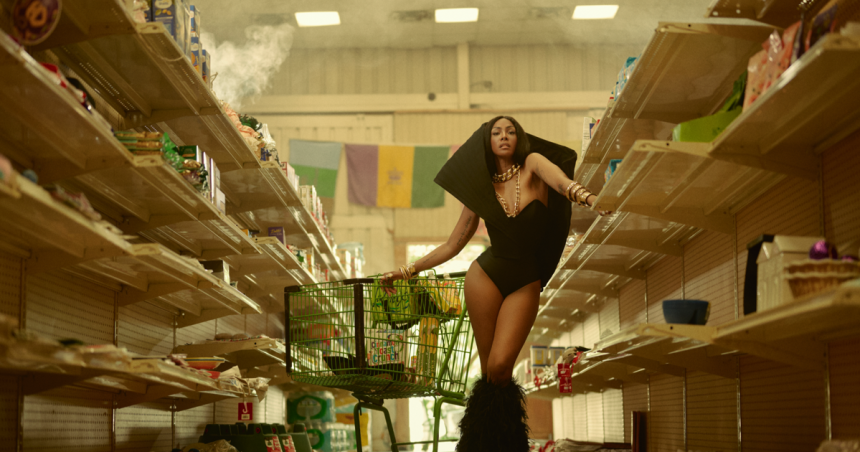
On the cover of Creole Culture, she dons a striking ensemble laden with gold jewelry, including a gold grill, a statement that goes against the grain of mainstream media’s often reductive portrayals of Black culture. “The essence of our culture is luxurious,” Richard states emphatically, seeking to redefine preconceived notions about her heritage.
The Conceptual Underpinnings of the Album
Released on October 9, 2023, Creole Culture is not just an album; it is a statement. The project seamlessly intertwines traditional sounds of New Orleans—such as funk, jazz, and brass band motifs—with modern musical elements like house, drum and bass, and hip-hop. Injecting her work with samples from Louisiana’s rich musical past, Richard invites listeners to experience a futuristic vision of Creole culture as pop culture.
An Aural Journey
Listeners are greeted by percussive taps and a thumping bass drum, as the album opens with familiar sounds that echo across New Orleans neighborhoods. The introductory track incorporates a rich vocal sample from Chocolate Milk, a funk band featuring her father. The song unexpectedly evolves into a bass-thumping electronic sound, featuring a rap from bounce icon Big Freedia, creating a bridge that connects past traditions to modern expressions.
The Collaborative Spirit
Richard’s Creole Culture features collaborations with prominent New Orleans artists, including Tarriona “Tank” Ball from Tank and the Bangas and Jelly Joseph, familiar for her work with funk band Galactic. The album explores themes of self-worth, resilience, and the complexities of navigating the music industry. Richard’s lyrical depth shines in tracks like “chuuuuurch,” a pulsating dance anthem that crescendos into a gospel choir, and “groove city,” which pays homage to her father’s legacy while reinterpreting a family classic for contemporary listeners.
Richard worked closely with the modern jazz group Katalyst Collective on Creole Culture, forging relationships that heightened the album’s production quality and complexity. This collaboration presents a narrative that celebrates both collaboration and innovation within the New Orleans music scene.
Language and Cultural Identity
A significant aspect of Creole Culture is its dedication to the Creole language, Kouri-Vini, found in short clips of conversations sprinkled throughout the album. Richard reflects on her childhood experiences in New Iberia, recognizing the intricate interplay between her family history and the language that has begun to resurge in modern contexts.
She proudly showcases the linguistic revival happening among artists and communities, linking New Orleans culture to the broader Caribbean context. The album includes samples from Jamaican dancehall artist Sister Nancy, enriching the cross-cultural dialogue embedded in her work.
Personal and Political Themes
The lyrics of Creole Culture are imbued with personal reflections. Richard explores varying themes, from moments of vulnerability in romance to poignant reflections on her place in the music industry. Through her art, she addresses not just individual struggles but also broader societal issues, aiming to shift the narrative surrounding cultural representation.
Embracing a New Role
Transitioning into a new phase of her career, Richard has embraced her role as an educator, teaching popular music at Loyola University New Orleans. This move highlights her commitment to fostering the next generation of artists, showcasing her desire to provide mentorship and share her knowledge with students.
A Legacy of Artistry
As Dawn Richard continues to navigate her artistry, she embodies the complexities of being an independent artist in a challenging industry. Her journey has been marked by personal challenges, including health struggles within her family and navigating allegations against industry moguls. Through these experiences, she emerges with a renewed sense of purpose, unafraid to present her authentic self.
Richard’s thoughtful approach to her music—encompassing familial ties, cultural richness, and modern relevance—ensures that the narrative of Creole Culture resonates with audiences and contributes to the ongoing conversation about contemporary Black artistry.
Explore more about Richard’s work and new album at dawnrichard.io, where you can connect with her music that beautifully weaves together the threads of tradition, innovation, and self-expression.