The Roots of Detroit Techno: A Sonic Journey
The Genesis of a Genre
Electronic music, while often associated with Detroit, didn’t actually originate in the Motor City. The inception of music made entirely with synthesized sounds dates back to the early 1950s. What Detroit contributed to the musical landscape was something entirely unique: techno. This genre emerged in the early 1980s, primarily through the creative efforts of artists such as Juan Atkins, Derrick May, and Kevin Saunderson, collectively known as the Belleville Three. The hallmark of techno is its intricate use of drum machines, synthesizers, and sequencers, leveraging programmed rhythms and structured repetition.
A Musical Melting Pot
Before techno took root, Detroit was a vibrant musical hub, flourishing with diverse genres. The sounds of jazz and jazz-funk echoed throughout the city, with influential figures such as Marcus Belgrave and Wendell Harrison shaping the scene. This era saw a myriad of musical influences from earth-shaking acts like Earth, Wind & Fire to the eclectic sounds of Parliament-Funkadelic and Prince. Alongside these homegrown influences, post-punk and new wave injected another layer, with bands like The B-52s and Lene Lovich making their mark.
One pivotal figure in this musical landscape was Electrifying Mojo, an influential DJ whose genre-defying playlists melded rock, funk, new wave, and emerging electronic sounds, providing a formative educational experience for many local artists. Carl Craig, an esteemed producer and DJ, attributes much of his musical education to listening to Mojo’s broadcasts, stating, “What we all had in common was that we all listened to Mojo, and we were all influenced by Mojo.” This eclectic mix of influences set the stage for the development of techno, creating a rich backdrop against which this new genre could flourish.
The Technological Revolution
The advent of electronic instruments, such as synthesizers and drum machines, marked a significant turning point in music production. For Craig, the exploration of sound possibilities through these instruments was nearly limitless. Notably, the punk ethos regarding accessibility in music creation began to resonate with early techno artists; technical training was not a barrier to innovation. Craig recalls his own journey, surrounded by a plethora of synthesizers, experimenting with a host of sounds, constantly pushing the envelope of what was possible.
This experimentation resulted in a fresh underground scene, one that was not bound by conventional music-making processes. Musicians with no formal background could still produce tracks that resonated deeply within the community, thus democratizing the art of music creation.
The Evolution of the Detroit Music Scene
As techno gained momentum, the environment in Detroit underwent a radical transformation. Craig reflects on experiences at warehouse parties that attracted thousands to parts of the city that were previously unfamiliar to them. This sense of communal experience attracted a diverse crowd, fostering connections among people in Detroit who might not have interacted otherwise.
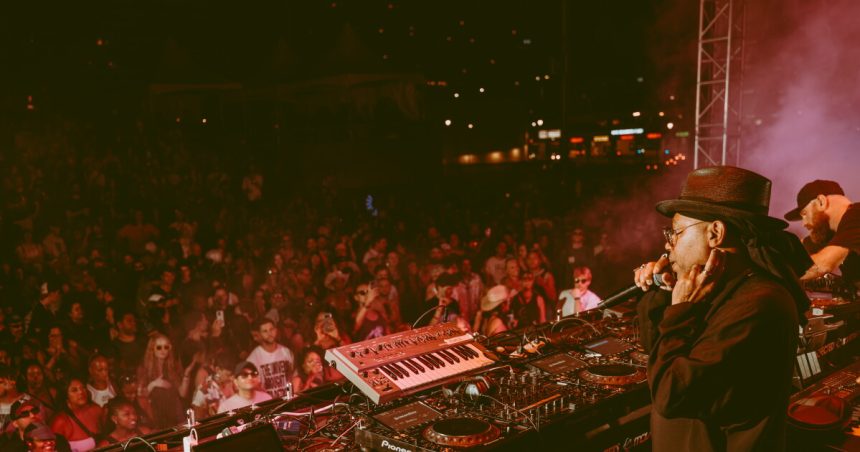
Notably, clubs such as the Music Institute became critical venues for burgeoning talent, providing a gathering place for those eager to dance and enjoy electric beats. The late 1990s saw a pivotal moment in Detroit’s electronic music evolution with the launch of the first Detroit Electronic Music Festival in 2000. This festival played a crucial role in democratizing access to techno, presenting it as a free and public celebration rather than something exclusive to clubs.
The Impact of the Detroit Electronic Music Festival
The Detroit Electronic Music Festival, hosted at Hart Plaza, served as a catalyst for widespread engagement with techno. The festival opened its gates to a more extensive audience, inviting individuals who had never set foot in the underground party scene. Craig expressed that such opportunities were vital, as they illuminated the electrifying pulse of the city’s vibrant music scene, not just to the partygoers but to a broader cross-section of Detroit’s population.
By transforming a niche genre into a widely recognized art form, techno helped reshape perceptions of Detroit itself, breathing new life into a city often linked with challenges. The festival allowed residents and visitors alike to explore the depths of the electronic genre, fostering a sense of communal pride in a sound that was undeniably born from the city’s rich cultural history.
Through this exploration of techno’s origins, its connection to Detroit’s musical tapestry, and the technological innovations that propelled it forward, we can appreciate the intricate weave of influences that defines this distinct and dynamic genre. Listen to the full conversation with Carl Craig in the episode of On Hand to delve deeper into the rich history of Detroit’s techno scene.