
Labyrinth on the Thames: A Musical Journey Beyond the Traditional Festival
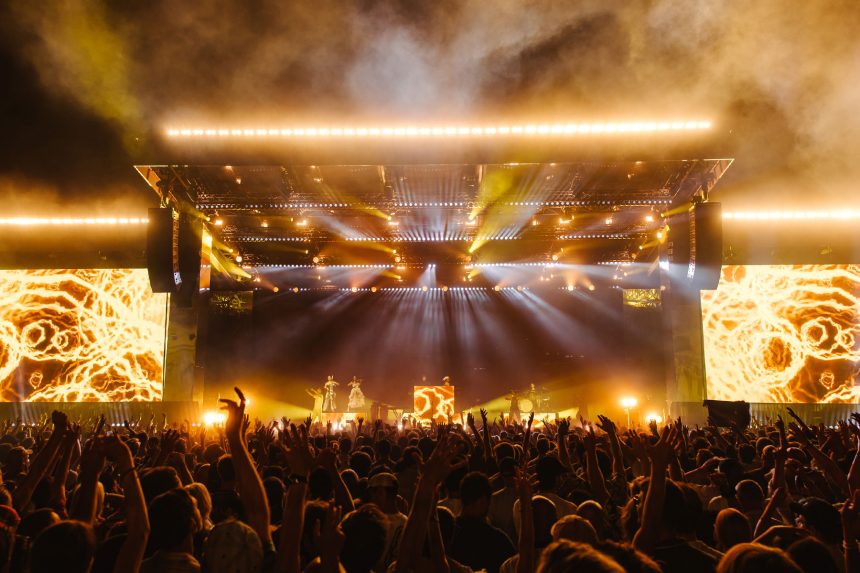
There are festivals built around a single weekend, designed for quick escapism and brief bursts of joy. Then there are festivals like Labyrinth on the Thames, which challenge conventional ideas and deliberately stretch the notion of what a festival can be. Now in its second edition, Labyrinth carved out its unique identity by transforming the Old Royal Naval College in Greenwich into a vibrant soundtrack for eight unforgettable, sold-out dates. The festival drew an impressive 76,000 attendees to the historic banks of the Thames, showcasing an intriguing blend of electronic music and remarkable performances that felt less like a continuous event and more like a captivating series of episodes.
A Festival of Episodes
Labyrinth distinguishes itself in London’s bustling summer festival scene by adopting a chapter-like structure. Each date features its own musical identity, tempo, and audience, all while the stunning architecture of the Old Royal Naval College serves as a constant visual backdrop. This format allows for a refreshing break from traditional festival fatigue, ensuring that each event offers a new narrative and experience. Central to this narrative is electronic music, with a lineup of 47 artists delivering over 70 hours of performances across genres, from house and techno to progressive sounds and contemporary club music.
Musical Moments That Matter
One of the standout performances came from Peggy Gou, whose set epitomized Labyrinth’s ability to create genuine cultural moments. Gou’s skillful transitions between vocal-led house, disco-infused rhythms, and high-energy dance tracks built an atmosphere of anticipation and excitement. The appearance of popular television personality Maya Jama, along with a surprise cameo from Gala performing “Freed from Desire,” transformed the closing moments of her set into an exhilarating communal celebration. It was a reminder that within the carefully crafted episodes of Labyrinth, the magic of live moments flourished.
Diverse Sounds and Styles
In contrast to Gou’s narrative-driven approach, Dom Dolla delivered a high-octane performance defined by heavy basslines and impactful drops. Dolla’s unmistakable fusion of house and techno proved effective at connecting with an expansive audience. Meanwhile, Adriatique brought their X series to Greenwich, employing a hypnotic and progressive sensibility that tantalized listeners with gradual builds and immersive soundscapes. As daylight faded over the Thames, their set transformed the stunning Baroque architecture into an integral part of the musical experience, enhancing the series’ atmospheric storytelling.
The diversity of the electronic lineup continued with acts like Seth Troxler, Franky Rizardo, and Prospa, each contributing unique interpretations of contemporary dance music. Labyrinth not only embraced a broad sound palette but also showcased moments that stepped outside the boundaries of electronic music altogether. The Kooks, performing a full band set to celebrate the 20th anniversary of their album “Inside In / Inside Out,” brought a refreshing contrast to the mainly DJ-led program, reinforcing the festival’s intent to prioritize live music in an extraordinary setting.
Beyond the Beats with Moby
The festival’s ambitious spirit shone through with Moby’s headline performance, where the six-time GRAMMY nominee captivated the audience with a full live show accompanied by special guest Jacob Lusk. Moby breathed new life into his classics, balancing emotional crescendos with the raw energy of a live electronic band. The combination of synths, guitars, vocals, and rhythmic finesse transformed Moby’s extensive catalogue into an expansive and cinematic experience. With the backdrop of the Thames and the illuminated domes of the Old Royal Naval College, this performance surpassed conventional festival standards and ventured into the realm of monumental concerts.
A Return to Roots with Michael Bibi
As Labyrinth approached its conclusion, Michael Bibi’s extended set served as a return to the festival’s club-focused core. Bibi crafted a physical experience through rolling basslines, punchy percussion, and persistent grooves, creating a sustained journey that resonated with attendees. The unexpected appearance of U-God and Young Dirty Bastard from the Wu-Tang Clan injected an exhilarating twist, as the closing moments united underground house culture and hip-hop history. This surprise synergized perfectly with Labyrinth’s identity of embracing the unexpected and celebrating musical diversity.
A Festival Reimagined
Labyrinth on the Thames stands as a testament to the evolution of music festivals, showcasing the power of artistic freedom and innovation in a stunning historical venue. By blending distinct sonic narratives, captivating performances, and surprise collaborations, Labyrinth redefined the festival experience, inviting attendees to journey through vibrant musical episodes that lingered long after the last beat faded.



