
Electric Daisy Carnival Makes Its Mark in Medellín
A Landmark Event in Colombian Music Culture
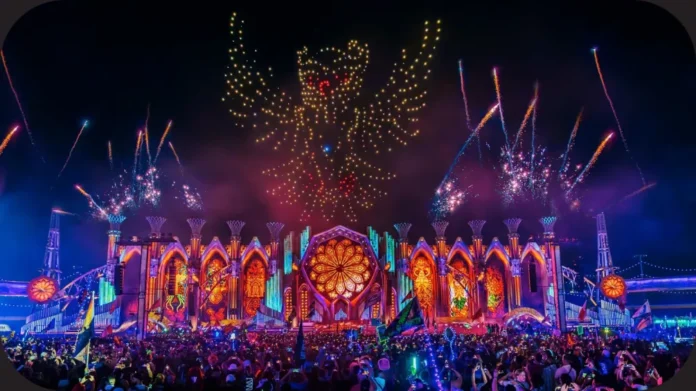
The Electric Daisy Carnival (EDC), a titan in the electronic dance music festival scene, expanded its vibrant offerings to South America with its Colombian debut on October 10–11, 2026, in the dynamic city of Medellín. Held at the Atanasio Girardot Sports Complex, this spectacle promised to be more than just an auditory experience; it was a significant cultural event that illuminated the city’s growing stature in the global festival circuit.
Anticipated to attract around 94,000 attendees over two days, the festival included not only locals but also international visitors drawn by the allure of a world-renowned music brand. The Medellín municipal government’s projections suggested a substantial economic impact estimated at $37.1 million, benefitting a wide array of sectors including hospitality, transportation, retail, and local tourism. Such numbers signal Medellín’s readiness to embrace large-scale events and bolster its economy through cultural activities.
A Fusion of Music and Culture
Organized by Insomniac, in collaboration with local promoter Páramo Presenta, EDC Colombia showcased the talents of over 80 artists, creating an epicenter of musical diversity. The festival featured multiple stages, each designed to immerse visitors in a unique musical environment, complete with striking visual productions, ambitious art installations, and breathtaking pyrotechnics. Performers traversed various electronic music genres, including progressive house, melodic techno, and psytrance, resulting in a rich auditory experience that delighted attendees.
The event kicked off with a bang, featuring renowned artists like Alesso, deadmau5, and Illenium on the first day, while the second day showcased heavyweights such as Armin van Buuren and Afrojack. Notably, the first day captured the attention of approximately 45,000 festival-goers, who embraced the festival’s signature aesthetic—vivid outfits and imaginative totems that have become synonymous with EDC’s unique culture.
Economic Ripple Effects Beyond the Festival
EDC’s arrival in Medellín represents much more than a two-day music festival; it illustrates the city’s strategic ambition to position itself as a prime destination for significant entertainment events. The anticipated $37.1 million economic impact is indicative of various industry sectors gearing up for a surge in activity related to accommodation, dining, transport, and retail. This multifaceted benefit ensures that local businesses will thrive during peak festival times.
To accommodate the influx of visitors, local authorities implemented strategic initiatives aimed at enhancing the experience for festival attendees. This included comprehensive visitor information channels and extended operating hours for the Medellín Metro, streamlining the flow of people throughout the city and making it easier for guests to access both the festival and local attractions.
Positioning Medellín on the Global Stage
The successful launch of EDC in Colombia signals a notable trend in the global live entertainment industry, where cities are increasingly vying to be the host for major international events. Festivals like EDC are viewed not just as standalone entertainment experiences but as vital components of tourism and economic strategies for urban areas looking to enhance their visibility and attract investment.
The integration of international music festivals into a city’s cultural fabric creates potent economic opportunities, encouraging collaboration with local businesses and supporting local artisans and service providers. Such engagements contribute to long-term growth and sustainability in the tourism sector.
Implications of EDC’s Debut for Future Festivals
The debut of EDC Colombia showcases the potential for international festival brands to enter new markets by forging strong partnerships with local entities. For cities like Medellín, this partnership model can lead to mutually beneficial arrangements that leverage global festival infrastructures alongside local hospitality and tourism capabilities.
As more festivals recognize the potential of emerging markets, Medellín’s experience can serve as a case study highlighting the positive interplay between global music properties, destination marketing, and economic development. The first iteration of EDC in Colombia is a testament to the power of music as a unifying force, serving to elevate Medellín’s global profile while enriching the local community and economy.
Through this vibrant addition to the festival landscape, Medellín not only welcomed new auditory experiences but also worked to shift perceptions, enhance visitor expectations, and provide economic vitality—all hallmarks of a destination ready to take on the world stage.