
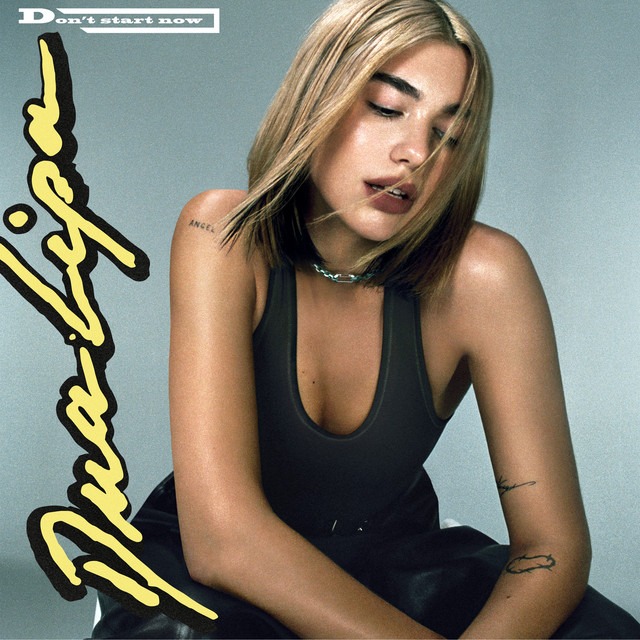
Music has always reflected its time, but in recent years, a clear trend has emerged: the rise of retro-style production in contemporary pop. Songs by artists like Dua Lipa, The Weeknd, Sabrina Carpenter, and Silk Sonic have not only found their way onto today’s charts but have also tapped deeply into musical aesthetics from decades past, making old sounds feel fresh and relevant.
The catchy bass line of Dua Lipa’s “Don’t Start Now” isn’t just an infectious earworm; it evokes the disco floors of 1979. Similarly, The Weeknd’s “Blinding Lights” unleashes an avalanche of nostalgia with its synths that feel plucked straight out of an ’80s film soundtrack. This seamless integration of vintage elements in modern pop isn’t merely a superficial trend; it’s a rich tapestry woven from the sounds, rhythms, and production techniques that defined earlier musical eras.
One reason for this revival could be the profound influence of disco and funk across various genres, breathing life into the industry. Artists and producers have gone back to the basics, revisiting classic analog instruments, live drumming, and lush vocal arrangements that characterize some of the most celebrated periods in popular music history. This re-engagement with past sounds has led to a cultural moment where retro-style production dominates the musical landscape.
Consider Dua Lipa’s 2020 album “Future Nostalgia,” a landmark in this musical renaissance. The album’s title itself communicates a merging of old and new through its disco-tinged tracks. Collaborators like Ian Kirkpatrick and Stuart Price helped Lipa create a project filled with captivating beats and polished dance production. With hits like “Don’t Start Now” and “Levitating,” the album not only celebrates the rhythmic language of disco but also evokes familiarity for listeners who may have never experienced the genre firsthand.
While Lipa explores disco influences, The Weeknd’s 2020 release “After Hours” takes a different jetstream that dives directly into ’80s synth-pop. “Blinding Lights,” in particular, showcases how a pulsing electronic rhythm, bright keyboard melodies, and an energetic vocal delivery can captivate hearts and minds two generations apart. It’s a song that found not just commercial success but cultural relevance, introducing a new audience to the soundtracks of their parents’ youth.
With his explorative spirit, The Weeknd further expanded this approach in his 2022 album “Dawn FM.” The project showcases a genre-blending soundscape that invokes both nostalgia and innovation, merging elements of disco with electronic rhythms and new wave aesthetics. Tracks like “Take My Breath” and “Sacrifice” reinforce the idea that contemporary music can spin familiar styles into something new, thus perpetuating the cycle of musical evolution.
Similarly, Harry Styles ventured into the land of retro with his 2022 album “Harry’s House.” The album resonates with a warmth that takes cues from soft rock and synth-pop, encapsulating melodies that feel both timeless and inviting. The success of “As It Was,” with its infectious hooks and rhythmic structures, resonates deeply, further proving that contemporary audiences are eager for music that harkens back to a more melodic and emotionally resonant age of pop.
Among these modern icons, Sabrina Carpenter is also making strides, showcasing how retro can blend harmoniously with new ideas. Her 2024 single “Espresso” features a cheerful disco-influenced groove adorned with bright instrumentation. This upcoming pop superstar embraces elements of classic funk while injecting her own youthful charm into the mix. Carpenter’s musical identity feels vibrant and playful, and it highlights the flexibility of retro-inspired production in absorbing contemporary themes.
Not to be overlooked, Silk Sonic—a collaboration between Bruno Mars and Anderson .Paak—offers a master class in vintage aesthetics with their debut album, “An Evening with Silk Sonic.” The duo’s single “Leave the Door Open” serves as a lush homage to 1970s soul and R&B. Through their carefully orchestrated vocals and intricately layered arrangements, they echo the meticulous craftsmanship of classic albums from that era, effortlessly making their music resonate with listeners who cherish the soul of yesteryear.
The curiosity around retro production also taps into evolving musical technologies, making these vintage sounds accessible like never before. In a world where digital audio workstations allow producers to infuse modern compositions with the expressive qualities of analog sounds—like tape saturation or warm synthesizer patches—the indie musician today can achieve a polished vintage vibe without the cost and complexity of ancient recording technology. This democratization of sound empowers a generation of artists to explore and innovate within familiar frameworks.
What’s more, contemporary artists like Beyoncé are not shy to draw from the rich history of dance music, as reflected in her 2022 album “Renaissance.” The tracks frequently reminisce about classic disco, funk, and house, showcasing the sentiments that have shaped dance floors across generations. Collaborations with legendary musicians like Nile Rodgers bring a direct connection to disco’s past while celebrating its evolution into the present. Beyoncé’s take on these tried-and-true sounds reinforces the contagious nature of this revival—she brings both vibrancy and valiance to a style that has long enjoyed cultural significance.
The current fascination with retro sounds goes beyond mere nostalgia; it surfaces as a communal connection between different generations of listeners who experience similar emotions through these classic elements. Streaming platforms have blurred the lines between musical eras, enabling easy exploration of songs from past decades. Younger audiences can stumble upon an iconic Fleetwood Mac track or a classic Whitney Houston ballad, instantly linking them to contemporary artists who audibly channel these revered sounds. This convergence fosters the idea that great music transcends time and can adapt to current sensibilities.
Moreover, social media has amplified this dialogue, with vintage tracks going viral and being reintroduced to broader audiences. This resurgence isn’t merely fleeting; it emphasizes how sounds can be rediscovered and celebrated, creating a continual cycle of appreciation and inspiration. As listeners revisit classic songs, they often find themselves curious about the production techniques, the instruments used, and the cultural contexts surrounding those pieces. It has allowed modern artists to bridge musical gaps, often infusing their work with lessons learned from the greats before them.
A final layer to this conversation involves the integration of live instrumentation in pop music, which has returned to the forefront of production approaches. Classic genres like disco or funk thrived on the synergy of live musicians, and contemporary producers have been exploring similar techniques. Infusing recordings with live bass lines, rhythmic guitars, and expressive drum arrangements can forge a distinctive character that digital MIDI beats alone cannot achieve. This organic texture gives a rekindled authenticity to pop music, creating recordings that breathe and resonate with humanity.
The rising popularity of retro production also reflects a cultural identity that artists are embracing. The aesthetics surrounding the music—the vivid colors, vintage fashion, and nostalgic visuals—present a unified experience that transports audiences back while anchoring them firmly in the present. The Weeknd, Dua Lipa, Silk Sonic, and countless others engage with this visual language, enriching their narratives and enabling audiences to immerse themselves fully in their musical worlds.
To encapsulate the rise of retro-style production is to understand its multifaceted nature: a revival inspired by nostalgia, an embrace of artistic rebirth, and a recognition of the timeless emotional impact of good music. Each artist participating in this trend—whether through disco rhythms, ’80s synth waves, or the lush harmonies of ’70s soul—creates a diverse and colorful landscape in contemporary pop. This blend of past and present ensures that the music industry continues to thrive, not just as a commercial entity but as a cultural force that captures the essence of human experience across time.