The upcoming Amsterdam Dance Event (ADE) serves as a prime opportunity for electronic music producers to explore the financial aspects of independent record releases. As the festival approaches, many artists are considering the costs associated with producing and promoting their tracks effectively in today’s digital landscape.
Understanding Studio Setup Costs
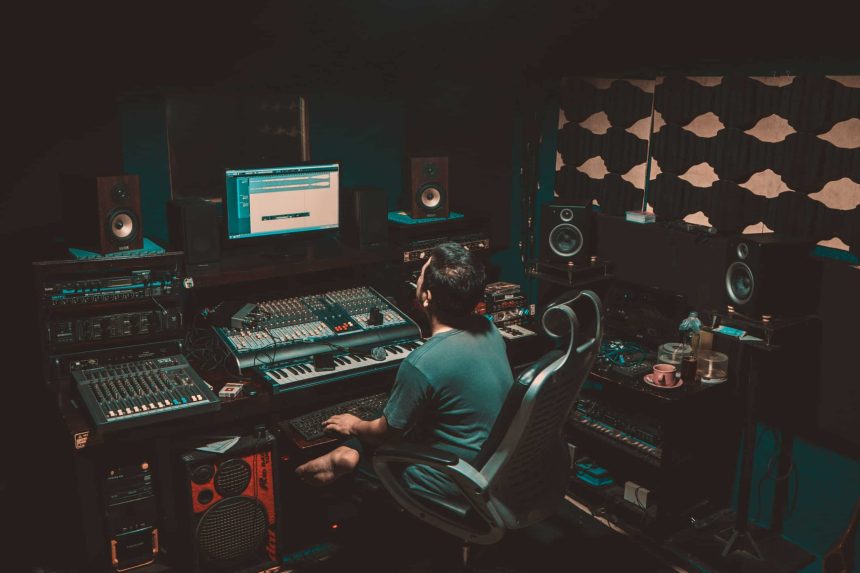
Building a home studio requires essential hardware, which can involve substantial one-time investments. A capable laptop or desktop, Digital Audio Workstation (DAW), essential audio equipment, and high-quality headphones are important components. The computer often represents the largest expense, with prices varying widely based on specifications and brand.
Essential items that producers should consider include an audio interface, studio monitors, and headphones. Starting with headphones is advised for those without an acoustically treated space, as accurate monitoring is crucial for achieving a quality mix.
Choosing Your Digital Audio Workstation
Your choice of DAW significantly shapes the production workflow. Popular options like Ableton Live and FL Studio cater specifically to electronic music creators and offer various pricing structures. Other software like Logic Pro and Avid Pro Tools also provide robust features, with options for both one-time purchases and subscription models.
Producers may opt for lightweight or free versions to start, but when collaborating or sharing projects, using widely accepted DAWs can streamline creative processes during events such as ADE.
Plugins and Sound Libraries
Expanding the sound palette with VSTs, synths, and samples can lead to increased production costs. Many producers find that mastering stock plugins is a smart way to build foundational skills, while more complex commercial plugins enable deeper creativity and sound design.
Regularly reviewing plugin options, especially with seasonal sales, allows for strategic budgeting. Subscription-based services for sample libraries also offer access to royalty-free sounds that align with commercial release needs.
Mixing, Mastering, and Release Costs
The mixing and mastering stages are vital to ensure the track translates well across different environments. Independent mixing engineers can be hired, or producers can elect to self-master, which can significantly affect overall budgets. Mastering is particularly crucial for electronic tracks intended for club play, requiring a specialized approach.
For distribution, selecting a service to deliver music to major streaming platforms is a necessity. Costs here vary, with basic plans available at competitive rates. Marketing efforts also play a crucial role in visibility, and while producing a polished single can be achieved with minimal expenditure, effective promotion often requires a more substantial investment.
Budgeting for Independent Releases
The financial outlay for a single release can run the gamut from affordable options to more significant investments based on production choices. By balancing self-produced elements with potential professional services, producers can navigate their budgets wisely to optimize both quality and reach.
Understanding all aspects of production costs positioned artists for success as they prepare for ADE, emphasizing the importance of strategic investments in equipment, production quality, and marketing initiatives.
For a deeper look into the music production process, check out the full issue from We Rave You Magazine.
More electronic music news on BEATMAG TV.