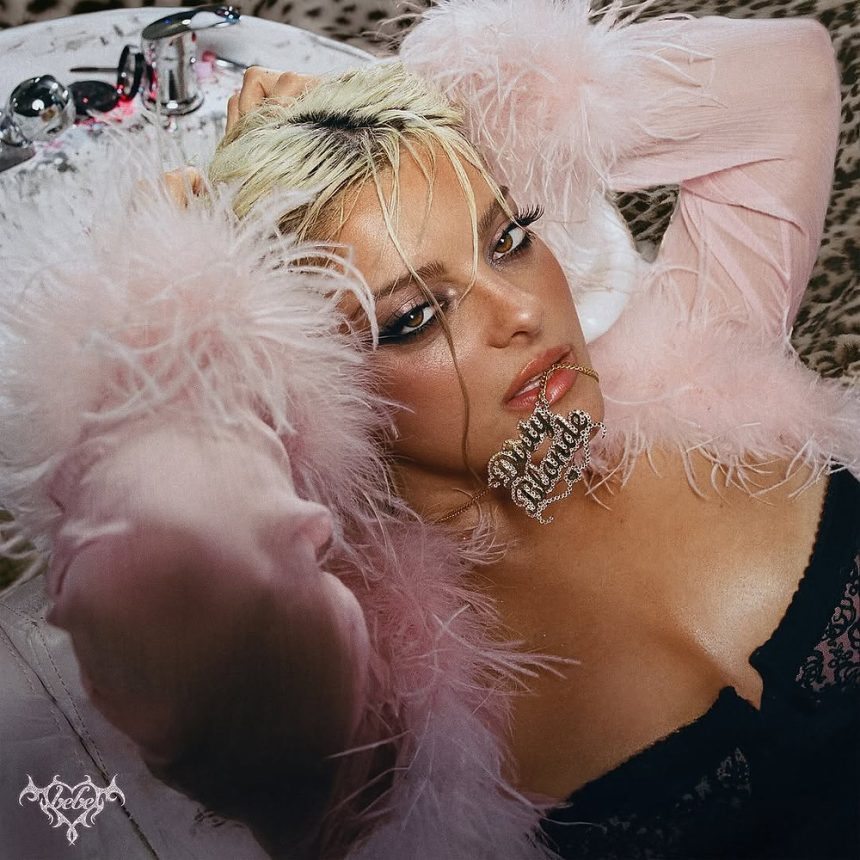
Bebe Rexha’s Dirty Blonde: A New Era of Sound Exploration
Bebe Rexha’s latest album, Dirty Blonde, marks a significant evolution in her artistry. With each track, she ingeniously blends various genres, creating a soundscape that resonates with her roots while showcasing a fresh, vibrant perspective. This article delves into some standout tracks, exploring lyrical themes, musical arrangements, and the overall intent behind her artistic choices.
1. New Religion
The album kicks off with “New Religion,” where Rexha reveals her passion for loud music and nightlife. In this track, she articulates her return to dance music’s joyful essence, infusing her sound with the spirit of club culture. Invoking the iconic elements of Insomnia by Faithless, she modernizes this classic, making it her own. Rexha’s love for vibrant nightlife resonates in her lyrics, reflecting a deep-seated desire to reclaim the dance floor as a place to celebrate and unite through music.
2. $.H.I.T
Transitioning into “($.H.I.T),” Rexha showcases her versatility as an artist. This track features dynamic shifts in delivery—from high-pitched singing in the choruses to explosive rapping in the verses—effectively presenting her as both performer and feature on her song. This interplay exemplifies the diverse atmospheres of nightlife, revealing that not every club anthem is simply upbeat dance music. Instead, notions of trap and experimental sounds throw listeners into a bustling environment, furthering Rexha’s exploration of modern urban life in Dirty Blonde.
3. Çike Çike
In “Çike Çike,” Rexha cleverly intertwines influences from her Albanian heritage. The track begins with muffled synths reminiscent of music heard from outside a nightclub, creating an immersive experience. Rexha references her cultural roots, integrating production stylings from “Hou Çike” by West Side Family, a nod to the rap scene in Albania. This song serves not only as a personal journey into her identity but also as a celebration of her heritage, engaging listeners in a uniquely emotional manner.
4. i like you better than me
Navigating the complexities of social media and self-esteem, “i like you better than me” addresses the pressures of external validation. Rexha lays bare her struggles with perception in a world that often prioritizes superficial appearances. The vulnerability in her lyrics invites listeners into her personal battles, highlighting the widespread impact of social media on mental health. This poignant exploration positions Rexha as a relatable voice, resonating especially with a generation grappling with similar insecurities.
5. Drink And A Little Love
“Drink And A Little Love” veers toward a blend of genres, starting as an acoustic piece before diving headfirst into club-ready beats. Echoing elements of her hit “Meant to Be,” the song captures the feeling of wanting to unwind amidst emotional chaos. Rexha’s narrative speaks to the need for a break—a moment to process life’s whirlwind while embracing joy through music. The duality of its sound palette mirrors the complexity of her feelings, making it a standout track on the album.
6. One Day
With “One Day,” Rexha crafts a genre-bending anthem that maintains dance elements while tapping into pop sensibilities. The incorporation of guitar chords and drums reflects a shift in her musical evolution. Lyrically, the song reminisces about a past relationship, contemplating what went wrong and evoking a sense of regret. This introspection adds depth to the album, showcasing Rexha’s ability to intertwine personal stories with widespread relatability.
7. Time
In “Time,” Rexha encapsulates the varied sounds of the album. Starting with a soft guitar ballad, it evolves into an alt-pop masterpiece before introducing rhythmic trap elements. As she reflects on a past relationship, her lyrics delve into regret, highlighted by lines like “I wasted all my best years on you.” This track serves as a cathartic expression of growth and realizations, almost like a sonic journey through her emotional landscape.
8. The Way I Want You
“The Way I Want You” employs a mix of genres, including rapping and electric guitar, while maintaining emotionally charged lyrics about unrequited love. Rexha’s talent shines through as she articulates the one-sided nature of her affections. This track stands out for its rawness, as she openly shares the complexities of love and longing, echoing feelings many have experienced in relationships.
9. Nobody’s There
In the electrifying “Nobody’s There,” Rexha celebrates individuality and the freedom of living authentically. Through distinctive vocal effects, she creates an atmosphere that encourages listeners to embrace their unique paths. This empowerment is refreshing amidst the backdrop of a dance-heavy album, reinforcing the idea that joy can be found in self-acceptance and creativity.
10. Night Falls
The twelfth track, “Night Falls,” manifests its title beautifully through atmospheric sounds that evoke peaceful imagery. Its calming synths offer a lullaby-like experience, contrasting the lively tracks preceding it. Lyrically, Rexha reveals her feelings of loneliness and longing for connection, adding a layer of depth to the otherwise upbeat nature of Dirty Blonde.
11. Sad Girls (feat. David Guetta)
Closing the album with “Sad Girls,” featuring David Guetta, Rexha intertwines high-energy beats with poignant lyrics about vulnerability and resilience. This collaboration highlights her capacity to blend emotional storytelling with infectious pop rhythms, offering listeners an engaging listening experience while prompting reflection on the nuances of sadness intertwined with celebration.
Through Dirty Blonde, Bebe Rexha not only redefines her sound but also crafts a platform that invites dialogue about identity, social dynamics, and personal growth. Each track is a slice of her world, brilliantly merging fun with introspection, proving she is an artist committed to authenticity and exploration.