
The Dance Music Industry Exposed
The Crisis
The hard techno scene has recently echoed with a dissonance that transcends the beats of a 160 BPM kick drum. Allegations of misconduct, abuse of power, and a catastrophic failure of safeguarding have sent shockwaves through the industry. Initiated by the Steer Files and a chorus of whistleblowers revealing the sinister machinations of institutions like Steer Management, this crisis has implicated titans of the scene such as Shlømo, Odymel, CARV, Basswell, and Fantasm.
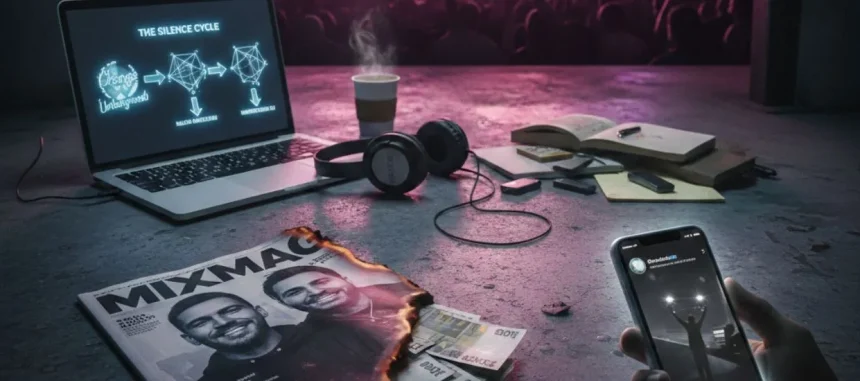
For days, Mixmag stood muted in the face of this crisis, appearing to neglect the scandal while simultaneously promoting summer festivals and trendy merchandise. However, facing mounting industry pressure, they have finally published news regarding these grave allegations. This reactive approach showcases the ongoing battle between independent media platforms, like Change Underground, and the aligned interests of mainstream journalism — a struggle often referred to as the PR-Industrial Complex.
The Alleged £7k Cover and the Illusion of Journalism
The reality of mainstream electronic music journalism today reveals a troubling trend: an abandonment of editorial independence in favor of financial viability. Secrets veiled in silence indicate that the coveted magazine cover isn’t earned through talent or community respect; instead, it’s purchased. Allegedly, some publications charge as much as £7,000 for a cover feature, allowing financial clout to dictate the narrative.
Furthermore, powerful PR agencies like The Media Nanny and Infamous PR gain undue influence over mainstream media through extensive advertisement contracts, further blurring the lines between genuine journalism and mere promotional material. While Jukebox stands out as one of the more equitable major agencies, they too participate in the industry’s gatekeeping measures, often prioritizing high-value artists over transparency.
Change Underground has a long-standing commitment to highlighting systemic inequalities and challenging the dominance of global platforms like Boiler Room and Resident Advisor. Our mission, outlined in our manifesto last October, has remained centered on advocating for industry reform and editorial integrity.
Puppet Websites and Algorithmic Monopolies
Ever wonder why your social media feeds seem eerily similar day after day? Such monotonous content isn’t organic; it’s often orchestrated. Many large websites and Instagram curator accounts act as ghost puppet sites for PR firms, lacking any editorial independence and primarily serving to repeat press releases.
These sites are often directly controlled by PR agencies that buy social media content, thereby manipulating the narrative surrounding artists. The maxim rings true: “He who controls the media controls the mind.”
The Cost of Integrity
To uphold the façade of an underground scene, the PR machinery capitalizes on the exploitation of independent media. Platforms like Change Underground often find themselves denied access to mainstream artists, who are solely reserved for the “Big Three”: Mixmag, DJ Mag, and Resident Advisor. As a result, independent outlets are expected to provide free coverage, presenting a “grassroots” validation for pricey PR campaigns.
“The electronic music industry has engineered a systemic greed crisis that has pushed independent artists to the brink of financial ruin. While the elite 1% circulate in a world of curated luxury, grassroots artists sustaining the culture face challenges like homelessness and food insecurity. PR firms leverage high-performing independent media to create a ‘veneer of authenticity’ without financial compensation. Dissenting voices become liabilities, yet we gladly pay the price for maintaining editorial independence.”
Financial Inequality
This delayed reporting safeguards a system rife with egregious financial disparities:
-
The 1% Elite: Headliners from commercial “neo-rave” scenes can demand fees exceeding £45,000 per gig. Such artists are insulated by a protective veil that conceals scandals until they become unavoidable.
-
The Underground Reality: Many seasoned industry veterans receive paltry offers between £800 and £1,500 per performance. Attempting to challenge entrenched gatekeepers often leads to professional ostracism unless the artist holds substantial commercial sway.
Industry FAQ
Why are major music magazines now reporting on the Hard Techno Crisis?
Mainstream outlets like Mixmag typically face conflicts of interest due to established PR contracts. Their recent pivot toward reporting this crisis reflects a rising public demand for accountability that outweighed the risks of maintaining silence.
What are the ‘Steer Files’?
The Steer Files encompass a series of whistleblower accounts exposing misconduct and toxic dynamics within hard techno management agencies.
Join the Resistance
Supporting impartial journalism is crucial. Share this article beyond the PR-controlled algorithms and help us cultivate a dance music scene rooted in merit, safety, and transparency. The spotlight may be designed for those who pay the price, but the underground will not be silenced.