Dawn Richard’s “Creole Culture”: A Deep Dive into a New Orleans Journey
Dawn Richard’s latest album, “Creole Culture,” transcends the traditional boundaries of an album release; instead, Richard views it as the third panel of a triptych, complementing her previous works, “New Breed” (2019) and “Second Line” (2021). Each of these records serves as a unique reflection of her experiences and musical evolution, while collectively narrating the profound influence of her roots in New Orleans.
The Heartbeat of New Orleans
Richard’s upbringing in New Orleans, especially in the 9th Ward, is the lifeblood of her artistry. Her new body of work digs deep into the rich traditions of the city, deftly weaving personal narratives shaped by her family’s history into a contemporary soundscape. Richard reconnected with her heritage through the lens of her father, Frank Richard, a funk musician, and her mother’s insights on culture. This familial connection is intrinsic to understanding the narratives woven into “Creole Culture.”
Musical Architecture: A Celebration of Creole Culture
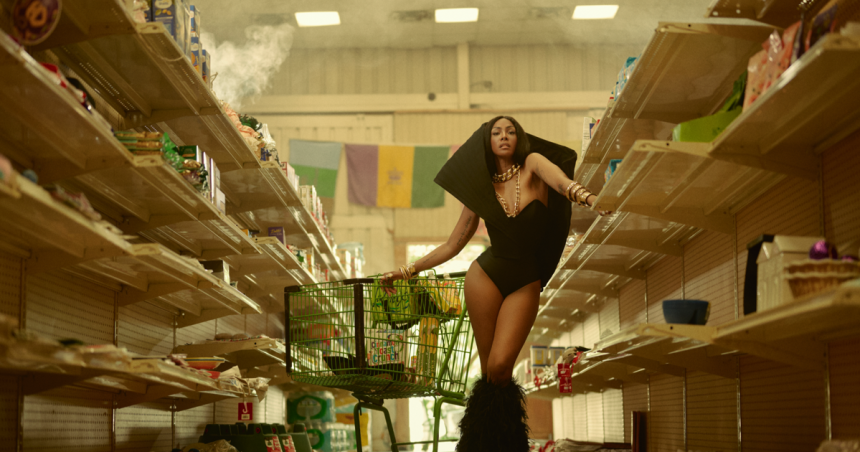
“Creole Culture,” much like its predecessors, aims to stretch the perceptions of what Black culture can be in the mainstream music scene. The album cover, laden with gold and illustrious jewelry, acts as a bold declaration of opulence often overlooked in traditional representations of New Orleans. Richard states, “The essence of our culture is luxurious, and whatever you thought it to be is not how I see it.” This redefinition of wealth and extravagant aesthetics serves as both a backdrop and a thematic cornerstone for the album.
Opening with the familiar sounds of urban New Orleans — percussive taps and drums — the introductory track quickly evolves, leading listeners through a dynamic auditory experience. It features a rich arrangement utilizing a sousaphone and echoes of Chocolate Milk, a local funk band that played a significant part in Richard’s father’s musical legacy. The track pivots into an electronic sound, showcasing Richard’s ability to blend traditional and modern genres seamlessly.
Collaborations and Cultural Conversations
The album features powerhouse vocalists such as Big Freedia, whose bounce music roots complement Richard’s progressive aesthetic. Additionally, Tarriona “Tank” Ball from Tank and the Bangas and Jelly Joseph add a uniquely New Orleans flavor to the project, highlighting the vibrant, collaborative spirit of the city’s music scene. Richard’s approach is also innovative, integrating Kouri-Vini, a Louisiana Creole language, throughout the album, emphasizing the importance of cultural preservation and the living history that language encapsulates.
In Richard’s words, “This album is putting the language out there for the world to see.” By including contemporary conversations featuring educators focused on preserving Kouri-Vini, Richard connects her music to broader cultural narratives and assertively challenges the notion that New Orleans’ cultural practices are relics of the past.
A Fusion of Genres
Across its eleven tracks, “Creole Culture” showcases a variety of genres, from electronic dance music to hip-hop, and funk to alternative R&B. Much attention has been given to the relationship between the songs and their roots in Black Masking Indian traditions, jazz, and bounce, but Richard’s artistic vision pushes these traditions into a more modern context. The sampling of Sister Nancy’s “Bam Bam” on the track “enough” reflects the intertwining of various Black musical traditions, drawing connections that span geographical boundaries.
Richard has worked closely with the Inglewood-based jazz group Katalyst Collective on the production, which has infused the album with a fresh yet familiar sound. This collaborative effort showcases the artistic diversity present within the contemporary music scene and emphasizes Richard’s commitment to evolving her sound while honoring her heritage.
Themes of Self-Reflection and Resilience
“Creole Culture” is as much about celebration as it is about introspection. Tracks like “chuuuuurch,” where Richard grapples with industry challenges, reflect her journey of self-discovery and empowerment. Here, the conflation of personal experiences with broader industry critiques shows her multifaceted narrative. Opening tracks often set the thematic stage for an album, but Richard also has a penchant for closing with reflection. The final song, “faith in the fire,” serves as a meditative conclusion, encapsulating her trials and triumphs in the music industry.
Her lyrics often resonate with themes of self-worth and empowerment, addressing complex personal dynamics alongside cultural narratives. In this way, the album becomes not only a reflection of her personal growth but also a tribute to the collective experiences of the communities that shape her artistry.
The Ongoing Journey
As Richard continues to carve out her space within New Orleans and beyond, her journey reflects a deep-rooted commitment to both her artistry and her community. From teaching at Loyola University to her active involvement in local movements for environmental justice, Richard embodies the spirit of a modern artist who is unafraid to explore difficult subjects, uplift cultural practices, and redefine what it means to be a Creole artist in today’s music landscape.
Her perseverance and resilience shine through in “Creole Culture,” an album that not only celebrates her roots but also pushes them forward into the future. With this latest offering, Dawn Richard continues to challenge perceptions, embodying the vibrant complexity of New Orleans while making waves on a global stage.