
The Evolution of Electronic Dance Music: From Underground to the Mainstream
Electronic Dance Music (EDM) has traveled a remarkable journey since its inception in the late 1980s. From the underground clubs of Chicago and Detroit to the massive festivals with hundreds of thousands in attendance, the genre has evolved, adapting to cultural shifts while simultaneously influencing the landscape of popular music. Today, EDM is synonymous with vibrant parties and energetic performances, yet a closer look reveals a complex tapestry woven from history, struggles, and the ever-changing dynamics of society.
The Birth of EDM: Sound as Resistance
EDM began in the subterranean gay scene of Chicago and Detroit, where early pioneers used synthesizers and drum machines to redefine what music could be. Artists like Frankie Knuckles and Derrick May manipulated existing electronic equipment, creating sounds that resonated with the countercultural sentiments of their time. Michael Ramirez’s review of “Electronic Dance Music: From Deviant Subculture to Culture Industry” highlights this defiance against mainstream norms—a movement characterized by the desire for individuality and creative expression.
This nascent genre emerged during a culturally tumultuous period marked by the AIDS crisis and social unrest. It served as a refuge for many seeking solace and connection. Adam X, a foundational figure in New York’s EDM scene, articulated a philosophy known as PLUM (Peace, Love, Unity, Movement), which encapsulated the ideals that guided early EDM communities. This value system evolved into the more widely recognized PLUR (Peace, Love, Unity, Respect), which remains a mantra within the EDM scene today.
The Shift: From Unity to Party Culture
As the internet age dawned and the new millennium rolled in, EDM began to exist at the nexus of commercial success and festival culture. By the 2010s, a significant transformation occurred. Parties and raves became synonymous with drugs and hedonism, and the genre became a backdrop for wild, uninhibited celebrations—think neon lights and electronic beats pulsating through crowded festival grounds.
This “bro culture” surrounding EDM drew in a predominantly male audience, often characterized by rowdy, irresponsible behavior. The genre had shifted from its original goals of peace and unity to an environment heavily influenced by drug use and a party-first mentality. This change was particularly evident in the proliferation of massive music festivals like Coachella and Lollapalooza, where the energy was driven less by artistic expression and more by a thirst for escapism.
A Feminine Revival: The Rise of Girl EDM
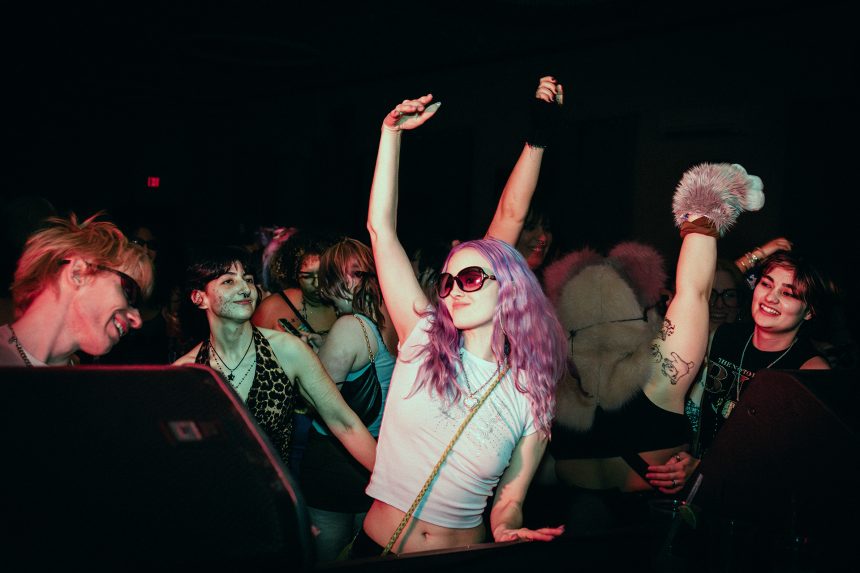
Amid these shifts, a new wave of artists emerged, bringing a fresh perspective to the genre. In 2015, SOPHIE introduced groundbreaking sounds with tracks like “Nothing Left to Say,” marking the emergence of feminine-led EDM. This era saw a renewed focus on inclusive representation, creating space for women and trans artists to take center stage, rekindling the genre’s foundational ideals.
In the early 2020s, a group of artists dubbed “The Holy Trinity”—comprised of Jane Remover, Underscores, and Ninajirachi—redefined what EDM could mean. Emerging from different musical backgrounds, these artists channeled their diverse influences into creating unique sounds. Their debut projects have garnered significant attention, signaling a return to the emphasis on individuality and innovation within EDM.
This shift in focus towards girl EDM was solidified with Ninajirachi’s 2024 EP, aptly titled “Girl EDM.” In her interview with EDM.com, she elucidates her vision for this movement—an artistic expression that encapsulates whimsical elements like cat ears and gaming culture, blending fantasy with sound. The genre reflects a broader spectrum of feelings and experiences rather than strict definitions, allowing for versatility in artistic expression.
The New Wave of Sound: Diversity and Inclusivity
The modern girl EDM movement has not only birthed diverse musical styles but has also opened doors for other creators. Alongside the trio of Remover, Underscores, and Ninajirachi, there exists a vibrant ecosystem of artists pushing the boundaries of EDM. Femtanyl, a duo known for their layered electronic production, and Tiffany Day, with her introspective pop-inspired tracks, showcase the rich tapestry of sounds emerging in this new era.
Despite its evolution, EDM retains echoes of its foundational principles. The movement has come full circle, returning to its roots of experimentation, individuality, and a celebration of community. While the genre once succumbed to excess and conformity, the current resurgence of female voices and alternative perspectives serves as a reminder of the essence that fueled EDM’s inception.
The Future of EDM: A Return to Roots
As EDM continues to embrace a diverse array of voices and narratives, it becomes apparent that the genre is not static. The modern landscape, marked by shifts towards inclusivity and artistic freedom, indicates a burgeoning renaissance that honors its intrinsic values. The contemporary EDM scene is more than just a party soundtrack; it is a multifaceted, evolving art form reflecting the complexities of society and the richness of human experience.



