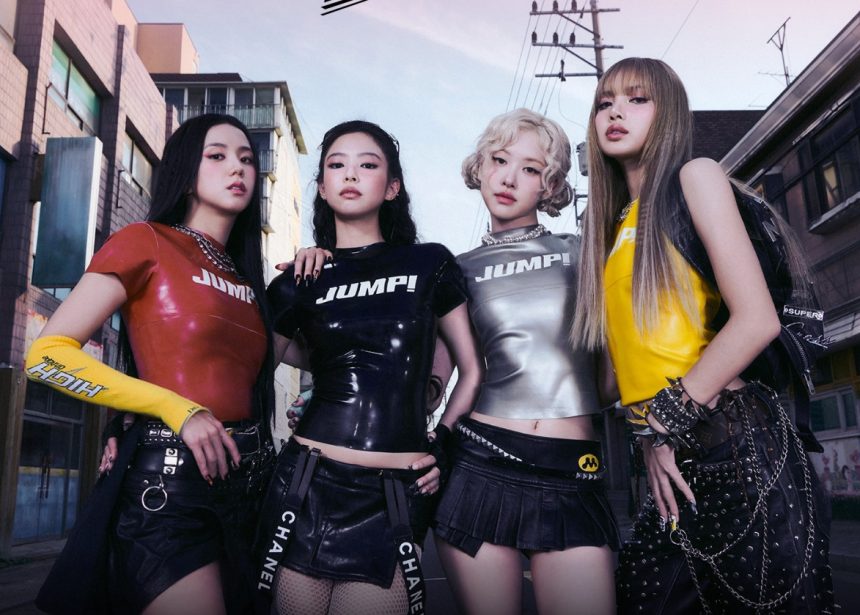
The Rise of Techno in K-Pop: A Bold New Era for Girl Groups
A Shift in Sound
K-pop is evolving in fascinating ways, with girl groups moving away from the traditional cutesy love themes to embrace harder, more aggressive techno sounds. This change aligns seamlessly with the rise of short-form video promotion, which has become a staple in modern marketing. As audiences consume music in bite-sized pieces, K-pop is adapting to meet these new expectations.
Recent releases from groups like ILLIT showcase this transition. Their single “It’s Me,” debuted on April 30, marked a striking departure from their earlier, softer tracks like “Magnetic” and “Cherish.” The response has been overwhelmingly positive, indicating that fans may welcome this bold new direction. ILLIT’s fourth EP titled “Mamillapinatapai” not only resonated with listeners but also secured a notable position on the U.S. Billboard 200 albums chart, ranked at No. 26 on May 16.
IVE’s International Influence
Not to be outdone, IVE has also jumped on the techno bandwagon with their release “Bang Bang,” which incorporates repetitive kick drum patterns reminiscent of classic techno rhythms. Since its late February launch, the song has consistently performed well, maintaining its position in Melon’s Top 10. Known for their melodic hits like “I Am” and “Love Dive,” IVE’s reinvention as a group capable of embracing an international club sound signifies a broader trend in the industry.
Blackpink’s Impact on the Genre
Blackpink has played a pivotal role in rejuvenating techno within the K-pop landscape. Their track “Jump,” released in 2025, features driving kick drums and electrifying synth hooks, topped Spotify’s global weekly chart—making them the first K-pop group to achieve this feat. The song reflects how the techno trend in K-pop resonates with high-energy club atmospheres, strongly influenced by techno’s origins in European dance music.
The Techno Aesthetic
The current wave of techno in K-pop distinctly contrasts with traditional techno’s lengthy, repetitive structure. Instead, K-pop’s adaptation often emphasizes melody and faster tempos. Fast-paced and energetic, K-pop techno tracks cater well to modern music consumption habits, where engaging visuals and high-energy beats dominate.
A Historical Perspective
Interestingly, Korea’s love for techno is not new. Over two decades ago, tracks like Clon’s “Choryeon” and Lee Jung-hyun’s “Wa” brought an early wave of electronic sounds to the forefront. However, back then, the term “techno” was used more loosely, with many tracks falling into the dance-pop or Eurodance categories. K-pop’s current revival of techno is characterized by a more defined sound, aligning with sophisticated club aesthetics.
The Appeal of Techno to K-Pop
Critics argue that techno’s electronic, artificial sounds lend themselves beautifully to the stylized and visually potent imagery K-pop strives for. As girl groups aim to project bold and edgy personas, the hard-hitting nature of techno complements this goal.
Additionally, the shift toward techno is not merely a stylistic trend but a response to new audience behaviors. As listeners prefer quick, engaging experiences over longer compositions, techno’s fast tempo makes it a prime candidate for short-form visual media, particularly the Reels and TikToks that have become ubiquitous.
Performance and Choreography Adaptations
Unlike the intricate choreography often associated with hip-hop-based tracks, techno’s simpler dance routines offer K-pop girl groups an opportunity to craft performances that are visually engaging while being perfectly tailored for the quick-viewing habits of today’s audience. This adaptability allows groups to optimize their performance for various media platforms, ensuring their music remains in the spotlight.
In summary, K-pop’s current embrace of techno marks a dynamic, bold new era for girl groups. As the landscape continues to evolve, the blend of aggressive beats with captivating visuals suggests that the genre is destined for greater heights. Fans can expect a thrilling ride ahead as these groups navigate this musical transformation.