
The Roots of Electronic Music in Southeast Sulawesi: A Deep Dive into Indonesia’s Inherent Rhythm
An Unexpected Stage Presence
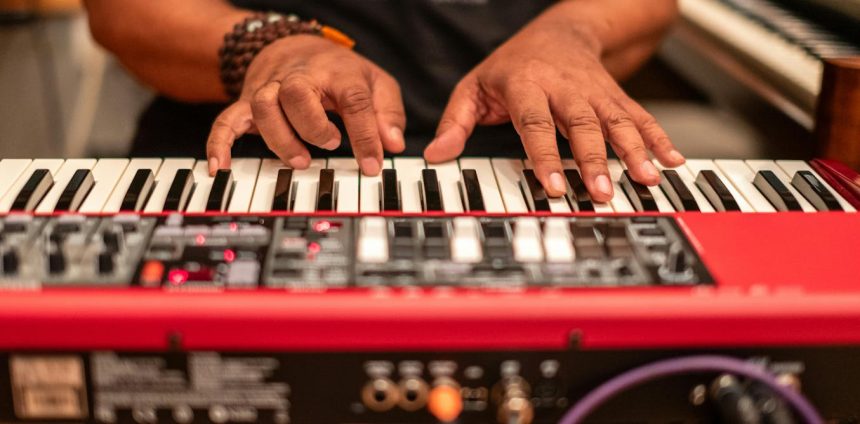
Picture this: a lone musician sitting amidst a vibrant crowd, cradling a simple keyboard. There’s no laptop, no MIDI controllers, and none of the high-end equipment typically associated with electronic performances. Despite the apparent simplicity, when his fingers strike the keys, sub-bass frequencies ripple through the speakers, setting off waves of motion within the audience. The atmosphere bursts into life, an intoxicating blend of energy and connection.
What some may view as rudimentary, powered by the Alun Buutuni Sound System—Southeast Sulawesi’s celebrated collective committed to building massive speaker setups for local celebrations—creates an experience that transcends traditional perceptions of electronic music. This landscape challenges the notion that sophistication equates to the presence of the latest technology.
Electronic Music: Beyond Expensive Technology
Music history brims with examples of innovation arising from equipment once deemed commercial failures. For instance, the Roland TR-808 drum machine and the TB-303 synthesizer faced initial rejection, critiqued for their simplicity. Yet, when young creatives in Chicago and Detroit embraced these so-called “cheap” devices, they inadvertently laid the groundwork for techno and house music—a revolution in sonic culture sprung from resourceful ingenuity rather than high-end technology.
Today, Indonesia’s electronic music scene showcases similar dynamics. Within this vibrant landscape, genres like jedag-jedug—a name derived from the electrifying beats that define its sound—bloom from the simplicity of arranger keyboards. Performers unleash the full power of rhythm, layering beats, basslines, and melodies in real-time, proving that accessibility can lead to profound musical depth.
From ‘Organ Tunggal’ to Village Celebrations
The journey of jedag-jedug finds its roots in organ tunggal, a one-man band concept that resonates deeply within Indonesian culture. Often present at weddings and community gatherings, these solo keyboard performances provide a mobile party experience, enabling musicians to recreate full band sounds with just one instrument. The flexibility and affordability of this format have allowed it to thrive, meeting the distinct entertainment needs of local communities.
Jedag-jedug represents an evolution of this tradition. While organ tunggal performances often leaned into the folk-pop genre of dangdut, the burgeoning jedag-jedug scene cranks up tempo and bass intensity, fostering an exhilarating communal experience that pulses through the crowd.
The Power of Collective Experience
Critics may deride jedag-jedug for its repetitive beats, labeling them simplistic. However, research highlights the transformative nature of repetition within electronic dance music. It invites listeners to engage with the music as a living, evolving process, generating anticipation and energy that leads to collective transcendence.
Rather than viewing jedag-jedug as monotonous, it becomes a powerful force for unity. The physical synergy that emerges as bodies synchronize with relentless loops creates a shared experience that echoes the ethos of rave culture, where sound and rhythm forge sacred spaces.
Sound as a Community Glue
Throughout my exploration of soundscapes across various Indonesian communities, I’ve come to understand that sound functions as a crucial medium for connection. For example, the Gandang Ahung gong ensemble in the Katingan River region serves beyond mere musical entertainment; it weaves the very fabric of communal gatherings, sustaining relationships through shared auditory experiences.
Similarly, though jedag-jedug might take a different form, it fulfills a parallel role. At village festivities, street carnivals, and local clubs, this genre becomes a social anchor, inviting people to dance, celebrate, and forge bonds through shared rhythm.
Cultural Adaptation and Innovation
What stands out in the rise of jedag-jedug is its ability to reinterpret global technologies for local contexts. Devices such as Yamaha arranger keyboards transform their significance as they slide into Indonesian gatherings. The local sound systems—the sound horeg phenomenon—underscore a profound shift, where community-driven audio experiences challenge the status quo and elevate regional culture.
Instead of reducing jedag-jedug to a mere imitation of Western electronic music, it’s crucial to recognize it as a vibrant expression of local ingenuity. This genre reveals how identical instruments can give rise to divergent cultural practices, imbued with unique social nuances that structure communal identities and experiences.
The world of jedag-jedug exemplifies a rich tapestry of creativity that showcases the artistic spirit thriving in Southeast Sulawesi, encapsulating both the simplicity and complexity of human connection through music.