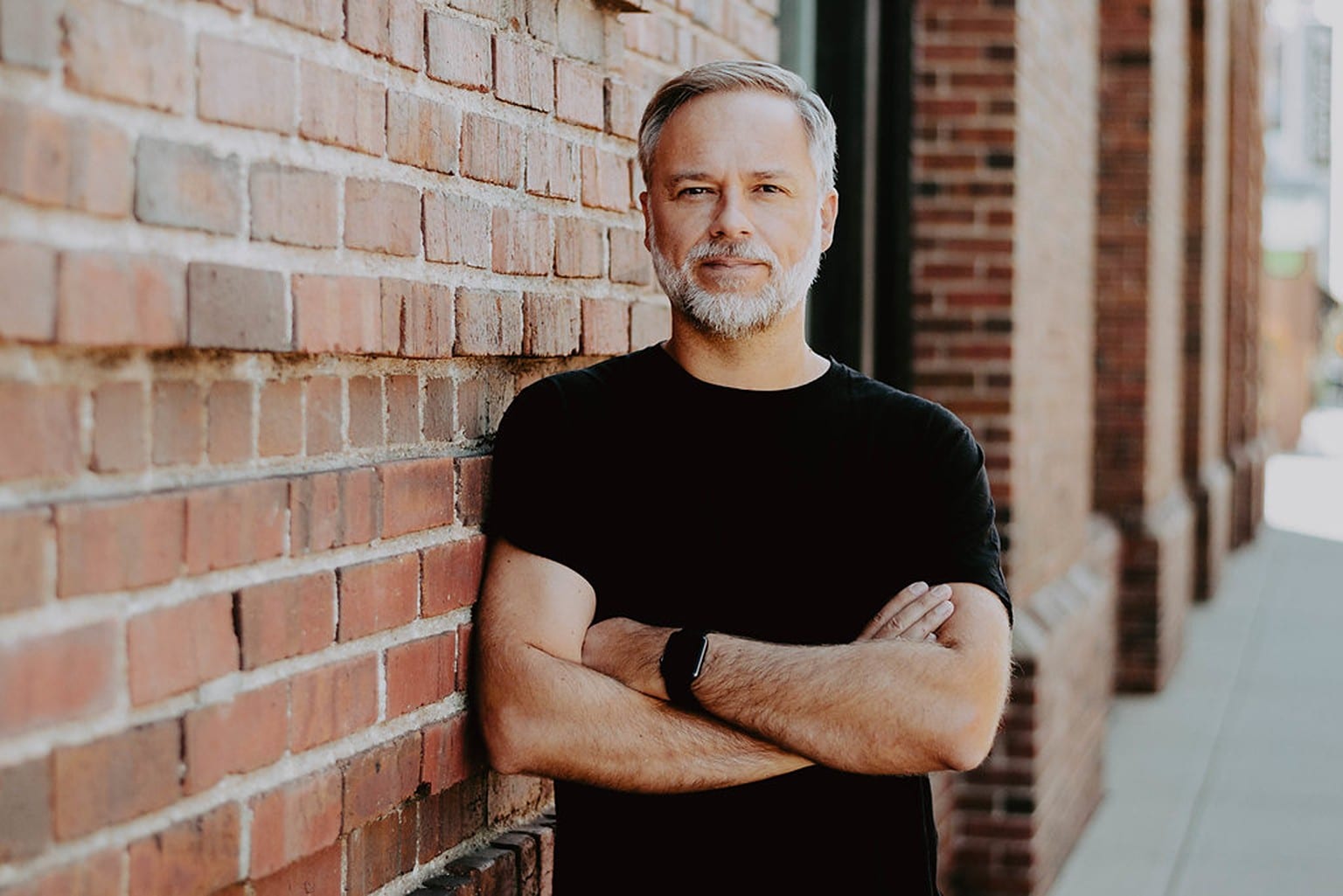
Ahead of this year’s fast-approaching edition of Winter Music Conference, esteemed industry leader David Ireland sat down with EDM Identity for an exclusive interview.
Launched in 1985, Winter Music Conference (WMC) has long operated as the cornerstone of the electronic music industry’s annual calendar. For nearly four decades, WMC has acted as a vital nexus for independent labels, upcoming artists, and the entire dance music ecosystem. Following its 2025 revival, the conference will take place at Downtown Miami’s Kimpton EPIC Hotel for three days filled with industry panels, pool parties, keynote speeches, and highlights including the inaugural International Dance Music Awards (IDMA) Gala.
Heading the operations for WMC’s 36th edition is David Ireland, a veteran media executive whose journey through the electronic music realm began in the mid-’90s. The founder of BPM Magazine, a grassroots rave music publication launched in 1995, Ireland’s extensive career has included senior marketing roles at Diesel and Victrola, co-founding Magnetic Magazine, and serving on Audiopool’s advisory board. Now, alongside UK-based production outfit We Group London, Ireland’s mission is to restore WMC to its former glory as the premier industry gathering during Miami Music Week.
This year’s conference has already unveiled two impressive programming waves. Beyond an updated lineup of panels and keynotes, WMC 2026 will feature a gear hall showcasing exhibitions from various industry heavyweights, including Telepathic Instruments (co-founded by Kevin Parker of Tame Impala fame), IK Multimedia, and Union Audio. In addition, AlphaTheta is set to demo its new RMX-Ignite hardware, and L-Acoustics will showcase exciting new spatial audio technology during pool parties. On the promotional front, SoundOn plans to present a unique networking initiative at TikTok’s “Indie Label and Industry Mixer” on Wednesday, allowing emerging artists and label representatives to connect face-to-face over demos, marketing strategies, and career guidance.
In an insightful conversation ahead of Winter Music Conference, David Ireland shared his thoughts on the evolving music landscape, the exciting new programming slated for the conference, and the entrepreneurial spirit that has driven him from grassroots publishing to managing one of the most significant platforms in dance music.
You started BPM Magazine out of your bedroom in ’95. Now you’re running WMC’s 36th edition. What’s genuinely better about the electronic music industry today, and what have we lost?
It’s a surreal full-circle moment for me with Winter Music Conference. BPM Magazine began as a small underground ‘zine, cobbled together on newsprint and distributed out of my Toyota Tacoma in the mid-90s. Back then, everything was grassroots and truly underground. I can vividly remember my first WMC in 1996, where I was so broke that we had to sneak in and hand out our inaugural copies of BPM through the fence, with only one of us making it to the pool.
During that time, WMC was the singular focal point for electronic music in the U.S. It was essential for industry insiders. My journey began here; it was where I connected with niche labels and DJs, hearing all the fresh tracks arriving for promotion. This event was pivotal for independent dance labels aiming to launch 12” singles. It wasn’t uncommon for DJs to scramble for limited vinyl releases from labels.
The excitement of those early days had an inherent sense of community, driven by subculture and close-knit connections. I wouldn’t say it was objectively better, but the experience was undeniably different.
What we’ve lost, however, is that sense of community, the in-person networking, and genuine connection. One of our main goals here at WMC is to revitalize that spirit—to cultivate opportunities for brands and labels to forge relationships with the upcoming generation of hopefuls and artists. Electronic music has exploded in popularity, but there’s still a need to foster human connections. Those serendipitous moments where one meets someone who changes everything? Those are what we’re aiming to recreate.
We Group London has taken over WMC operations this year. What does that new structure actually change about the conference?
We Group London is renowned for producing the best festivals in the UK, and they’re applying that expertise to Winter Music Conference and Miami Music Week. In collaboration with Beatport Live, L-Acoustics, and AlphaTheta, we’re launching top-tier pool parties available exclusively with the WMC Pro badge—something that hasn’t been done in a long time. This year, we’re committed to enhancing production quality, ensuring that panel discussions are thought-provoking and content-rich. Our goal is to revive that spirit and DNA that once made WMC a vital global event. It’s about creating a space where beginners can take their first steps while providing seasoned professionals with the community and resources they need to tackle today’s challenges.
This year’s WMC has producers handing USB demos directly to label A&R teams. When did you decide the conference also needed to serve artists?
Supporting new artists has always been integral to WMC’s mission. This is not a new outlook for us—we’re simply introducing a fresh formula that offers artists a direct path to get their demos heard. We want to streamline that process and maximize opportunities for them to shine.
You’ve been on Audiopool’s advisory board for almost two years now. For someone who doesn’t know the platform, what is it, and why should artists care?
Audiopool has just launched in beta, representing a fresh promotional avenue for artists and labels. It’s been intriguing to watch its evolution through several phases, culminating in a product that uniquely blends Web3 and traditional promotion methods—thereby democratizing the music promotion and discovery process. I’ve enjoyed being part of a company that seeks to disrupt the status quo in a positive direction for artists. If you’re looking for a new way to promote your music, it’s worth exploring.
BPM to Overamerica to VP of Marketing at Diesel to Magnetic to WMC to CMO at Victrola and back to WMC. What has bouncing between fashion, consumer hardware, and music taught you that staying in one lane wouldn’t have?
Great question! My journey started with a random rave encounter in 1992, which fueled my passion for electronic music and club culture. The creation of BPM Magazine out of my bedroom came from sheer determination and an overwhelming desire to belong to something bigger.
Back then, I was perpetually broke, pouring every penny into BPM. This forced me to learn a bit of everything out of necessity, from salesmanship to marketing. I honed my skills through hands-on experience, learning directly how to push my product and connect with others.
Although I formally studied journalism and advertising at SDSU, the real learning happened in the trenches. The entrepreneurial path is not for the faint of heart; it’s riddled with challenges and moments where you might want to quit. But for those who persevere, the rewards can be significant. My varied experiences across different industries have allowed me to see marketing from various perspectives, leading me to some universal truths in this space.
If you could go back and tell bedroom BPM Magazine David Ireland one thing about how this industry would evolve, what would it be?
I think I’d just nod knowingly, indicating that he was headed in the right direction. The journey is about following your passion; waking up inspired is a rare and special feeling. Experiencing setbacks and charting your own course is part of the growth process. To succeed in today’s electronic music industry, whether as an artist or a professional, you need to be relentless, innovative, and passionate. Nothing worthwhile comes easily, and on days when you’re not feeling it, it’s crucial to listen to those feelings and adjust your path accordingly.