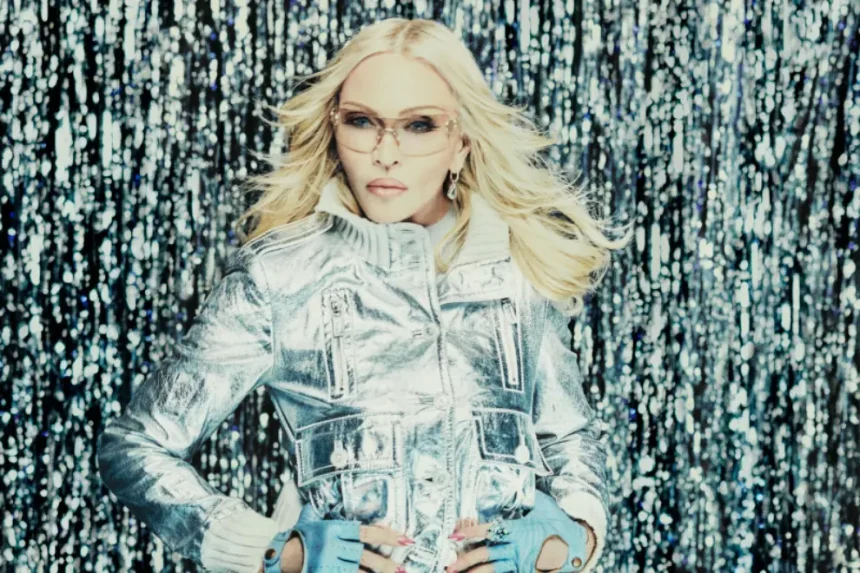
Madonna’s CONFESSIONS II: A Celebration of Detroit Roots and Intergenerational Dance Music
Madonna Ciccone, the enduring icon of pop and dance music, returns with her latest album, CONFESSIONS II, a sequel to her critically acclaimed Confessions On A Dance Floor from 2005. This new work not only celebrates her Detroit roots but also positions her as a significant figure in today’s inter-generational electronic dance music movement. Collaborating once again with British DJ and producer Stuart Price, Madonna’s latest endeavor embarks on themes of escapism, belonging, and the quest for salvation.
A Voice for the Generations
At 67, Madonna challenges the pervasive discourse surrounding her age and relevance in contemporary music. Instead of focusing on “eras,” she speaks to a broader cultural zeitgeist. As she expressed in an interview with Mel Ottenberg for Interview magazine, “I thought the world is in a very dark place and people need to dance.” CONFESSIONS II embodies this sentiment, promising to be her most self-referential work yet, reflecting on her past while offering a sense of hope and unity through dance.
Detroit Connections and Musical Roots
Madonna’s connection to dance music runs deep, anchored in her upbringing in suburban Detroit. Born into a modest Italian-American family, Madonna grew influenced by the burgeoning electronic scene. Her dance classes with the late Laura Gavoor, a significant figure in the Detroit techno movement, laid the groundwork for her future as a performer. Gavoor was instrumental in promoting Detroit’s sound, managing artists and clubs, and establishing a legacy that Madonna is proud to honor.
The lead single “Bring Your Love,” a collaboration with Sabrina Carpenter, samples Inner City’s 1988 classic “Good Life,” solidifying this connection to her roots. The remix culture that surrounds house music is part of Madonna’s DNA, making this inclusion both celebratory and nostalgic.
A Legacy of Dance and Reinvention
From her first single, “Everybody,” in 1982, produced in New York’s vibrant club scene, to her collaborations with well-known DJs and producers such as John “Jellybean” Benitez and Nile Rodgers, Madonna has consistently evolved her sound. She has never shied away from addressing societal issues, redefining the role of women in pop culture through her music. Her early works combined elements of dance-pop and R&B, setting the stage for dance music’s mainstream acceptance.
Madonna’s transformational journey continued as she traversed genres, experimenting with deep house on Ray Of Light, and playing with folktronica on Music. These explorations resonate through CONFESSIONS II, where she again collaborates with Stuart Price to invoke the dance music roots that have been pivotal in her career.
Intergenerational Influence in Dance Music
CONFESSIONS II underlines the strength of intergenerational connections within the dance community. As a prominent figure, Madonna embraces collaborations, bridging the gap between generations of artists. Her work alongside contemporary stars like Dua Lipa, Missy Elliott, and Beyoncé illustrates her ability to engage across age groups, fostering a vibrant dialogue within the evolving landscape of dance music.
This album not only showcases Madonna’s adaptability but also highlights her impact, ensuring that the dance floor remains a space for people of all ages and backgrounds to come together.
A Look Into Madonna’s Personal Reflection
Musically, CONFESSIONS II carries a profound biographical dimension, diving into themes of personal loss and reflection. Madonna discusses her journey through familial and personal challenges, ensuring that her story resonates with listeners navigating their own struggles. This openness aims to create “inspirational dance music,” a goal Madonna articulates clearly.
The tracks are infused with palpable emotion and reflection, acknowledging that the past serves as both a source of strength and a classroom for growth.
The Revival of Dance Culture
Madonna’s commitment to dance music is not only a personal endeavor but also a cultural statement. By returning to her roots, she challenges societal perceptions of age and participation in the music scene. Electronic dance music thrives on collaboration and community, and Madonna’s steadfast presence reinforces the idea that dance music transcends generational divides.
The album has sparked dialogues about ageism in the music industry. Many see her vibrant participation as essential in reshaping perspectives about aging artists in a cultural sphere often dominated by youth.
A Celebration of Communal Legacy
As CONFESSIONS II approaches its release on July 3, 2026, anticipation grows for its celebration of both individual and collective histories within the framework of dance music. The album promises to resonate deeply, cherished not only by Madonna’s long-term fans but also by new listeners who find solace and joy in her music.
Madonna’s declaration of her ongoing journey through music reflects her resilient spirit: “I always push through, and I’m a survivor.” She’s not just creating music; she’s building a legacy that inspires and engages people of all ages, ensuring dance floors remain a space of inclusivity and joy.
With CONFESSIONS II, Madonna reiterates her role as a pop pioneer, a leader in the dance music community, and a vital contributor to the ongoing narrative of artistic reinvention. The ensuing conversations around the album will likely weave through the fabric of dance culture, reigniting the beats that have historically united diverse voices and experiences on the dance floor.