Celebrating Black Music Month: A Journey Through Sound and Culture
Introduction to Black Music Month
Every June, Black Music Month is commemorated, shining a spotlight on the rich contributions and cultural significance of African diasporic music in the United States. From the heart-wrenching spirituals sung by enslaved individuals to contemporary tracks dominating streaming services, this month serves as a reminder of the unbroken connection between Black history and the evolving sounds shaping global culture today.
The Importance of Music as Cultural Expression
During the era of European colonization, music served as a crucial vehicle for preserving African culture, particularly when language was suppressed. Slave owners often imposed barriers that separated individuals speaking the same language, hindering community formation based on shared cultural histories. In this environment, music became an essential means of recreation and communication.
Antonio Aracena, a Miami-based vocalist, explains, “For the slaves, the only way that they could really have any recreational time, or even just pass the time, was music.” Utilizing their bodies as instruments, enslaved individuals created rhythms through foot-tapping and clapping, laying the groundwork for diverse musical expressions that followed.
Genres of Black Music: A Deep Dive
While many genres such as rap, soul, and hip-hop are popularly recognized as representative of Black musical traditions, a broader definition reveals the origins of various contemporary styles. Let’s explore some notable genres that have roots in the African diasporic sound.
Funk: The Heartbeat of Rhythm
Nearly inseparable from the legacy of funk are legendary bands like Wild Cherry and the Red Hot Chili Peppers, yet it was James Brown—dubbed the “Father of Funk”—who pioneered this genre in the mid-1960s. Funk is characterized by complex interlocking basslines and an emphasis on rhythm over melody. The influence of the transatlantic slave trade reverberates through its sound, echoing elements of jazz and blues.
Aracena notes, “In any good R&B singer, you can either hear the Pentecostal Church or the imitation of the Pentecostal Church, literally the basis of almost all hip-hop samples.” This transition from R&B to funk allowed Black musicians to reach wider audiences, transcending racial barriers.
During the 1960s, white bands began to adopt this genre, leading to the emergence of terms like “blue-eyed soul,” notably exemplified by groups like the Righteous Brothers and the Average White Band.
EDM: From Dance Halls to Mainstream
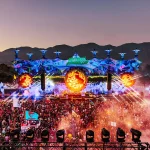
Electronic Dance Music (EDM) is another genre that showcases the evolution of Black music. Originating from the disco movement in the late 1960s, particularly within African-American, Latino, Italian-American, and LGBTQ+ communities, disco transformed dance culture and laid the foundation for what we now recognize as EDM.
“Disco, derived from the French ‘discothèque,’ refers to designed dance clubs that played recorded music rather than featuring live bands,” Aracena explains. This genre eventually split into multiple subgenres, emphasizing the importance of syncopated rhythms that promote danceability. Notable artists like Daft Punk and Calvin Harris have risen to prominence in this space, although the influence of Black musicians remains foundational.
Salsa: The Fusion of Cultures
As the 1970s unfolded, salsa music identified itself within Afro-Cuban and Puerto Rican traditions. Despite its roots, it gained global popularity largely thanks to Johnny Pacheco and Fania Records, which brought together top musicians in New York to develop this vibrant genre.
Aracena elaborates, “Salsa blended a lot of the Caribbean rhythms…with call-and-response and American jazz.” The rhythmic foundation, the clave, along with instruments like congas and bongos, reflects the enduring legacy of African drumming traditions, further enriched by Black cultural expression during the Black Power Movement.
Black Fusion: The Future of Sound
Emerging contemporary genres like Afrofusion highlight the ongoing evolution of Black music across the Americas. This genre blends cross-cultural influences and genre-bending sounds that redefine musical boundaries.
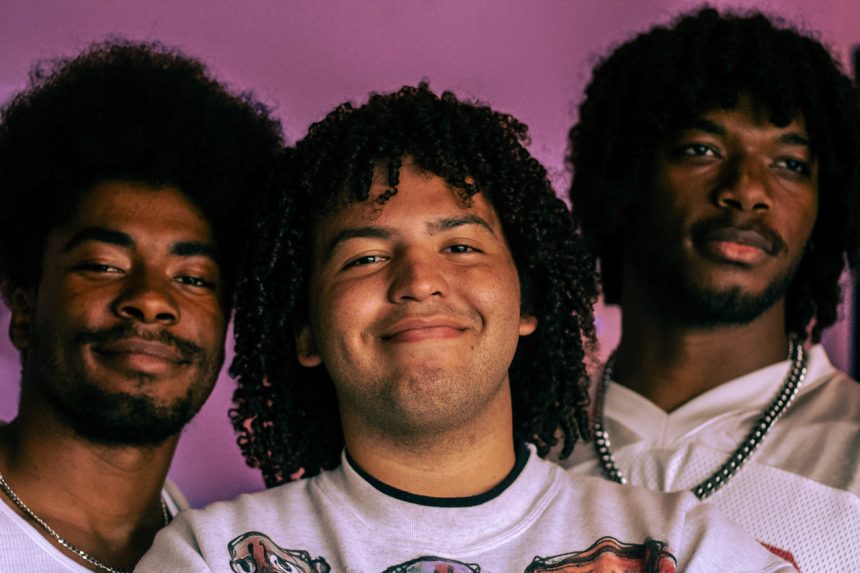
Martin Carodine, a member of the Miami band Black Nimbus, articulates their mission to connect the historical roots of American music back to spirituals and slave songs. This intention to fuse various Black musical art forms serves as a celebration of resilience and innovation within the music landscape.
The Essence of Rhythm
At the core of Black music lies rhythm—a natural extension of the human experience. As Mar Sanchez from Black Nimbus states, “It’s beautiful to see how the music of the diaspora is interpreted in different parts of the world.”
Music remains a powerful force for cultural expression, with its history intricately woven into the ties of community and individual experiences. As Mack Carodine succinctly puts it, “The groove is what makes you move.” This rhythmic pulse is not just a beat; it’s a testament to the profound influence of Black music on global culture and identity.